THE ADVENTURE COLLECTIVE® · Independent discovery and booking for outdoor travel

Spend a day traveling from Marrakech into the High Atlas and the stony Agafay Desert—walk Berber villages in Imlil, sip tea with locals, stop at waterfalls and ride a camel across rocky plains. A practical full-day itinerary for first-time visitors.
Spend a day traveling from Marrakech into the High Atlas and the stony Agafay Desert—walk Berber villages in Imlil, sip tea with locals, stop at waterfalls and ride a camel across rocky plains. A practical full-day itinerary for first-time visitors.
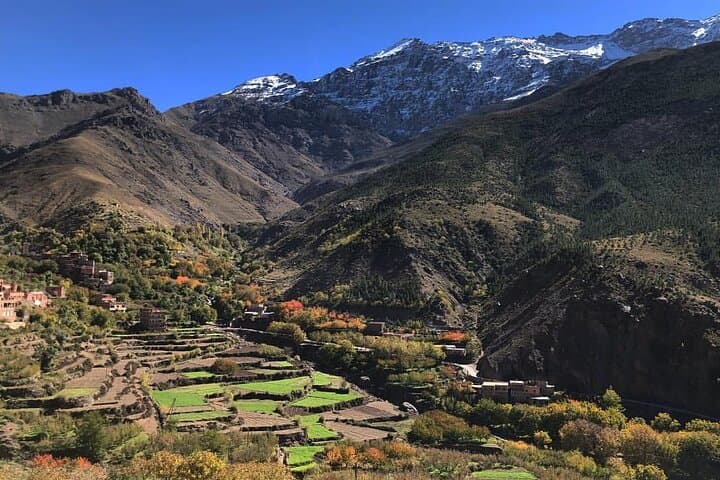
You leave Marrakech before the heat builds, the city’s calls fading as the road pushes south toward stone-colored horizons. The High Atlas rises like an old wall ahead; villages cling to its lower flanks and terraces step up the slopes. By midmorning you’re in Imlil, where narrow paths weave between compact earth-and-stone homes and the mountains seem to breathe cold air down the valley.
Verified experiences and guided adventures in the surrounding area.
Operated by Marrakesh Day Tours · Marrakech, Marrakech-Safi
You leave Marrakech before the heat builds, the city’s calls fading as the road pushes south toward stone-colored horizons. The High Atlas rises like an old wall ahead; villages cling to its lower flanks and terraces step up the slopes. By midmorning you’re in Imlil, where narrow paths weave between compact earth-and-stone homes and the mountains seem to breathe cold air down the valley.
The route threads history and geology: the Atlas range is young by geological standards, folded and uplifted by tectonic forces that left steep valleys and scree slopes. Berber (Amazigh) culture remains visible in language, dress and the handcrafted argan and wool goods sold at market stops—Azrou and local souks preserve rural life patterns that predate modern Marrakech.
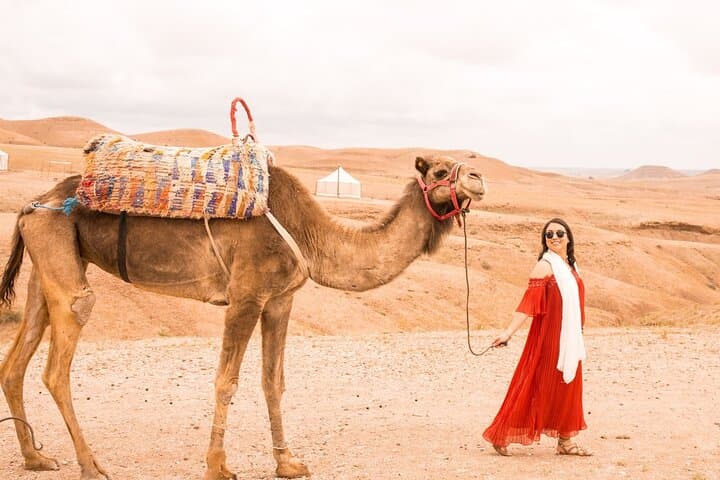
You’ll pass waterfalls, cross the Kik plateau and stop at Lalla Takerkoust’s dam with views that change from green to the stony Agafay desert. The desert’s lunar plains dare you to slow down; a camel ride across the rocky sands offers a different pace and a way to read the landscape up close.
Practical guidance: the day runs about 7–8 hours with hotel pickup and drop-off. Wear breathable layers, closed hiking shoes for village trails and loose trousers for sand and dust. Carry 1.5–2 liters of water, sunscreen and a sun hat; phone coverage is patchy in valleys. Expect easy village walks rather than technical hikes—this tour is designed for cultural immersion, short walks, and panoramic viewpoints rather than mountaineering.
easy.
7–8 hours.
Suitable for most fitness levels; involves short, easy village walks and brief uneven terrain on camel and desert sections.
Yes; camels used on day tours are accustomed to riders and handlers manage mounting and dismounting—ask for assistance if you’re unsure.
A traditional Moroccan lunch and tea are included on this tour; notify in advance of dietary restrictions.
You’ll see views toward Toubkal (North Africa’s highest peak) from valley lookouts on clear days, though the tour focuses on lower-elevation villages and the Agafay plain.
Yes—pickup, infant seats and stroller accessibility are available; camel rides may have age or weight limits so check with the operator.
The High Atlas region has long been home to Amazigh (Berber) communities; traditional earthen architecture and terrace agriculture reflect centuries of mountain adaptation.
Water scarcity and erosion are local concerns—stick to established paths, avoid single-use plastics, and support community-run businesses to reduce tourism pressure.
Marrakesh Day Tours operates guided outdoor trips and adventures with an emphasis on safety, stewardship, and memorable experiences.


You leave Marrakech before the heat builds, the city’s calls fading as the road pushes south toward stone-colored horizons. The High Atlas rises like an old wall ahead; villages cling to its lower flanks and terraces step up the slopes. By midmorning you’re in Imlil, where narrow paths weave between compact earth-and-stone homes and the mountains seem to breathe cold air down the valley.
You leave Marrakech before the heat builds, the city’s calls fading as the road pushes south toward stone-colored horizons. The High Atlas rises like an old wall ahead; villages cling to its lower flanks and terraces step up the slopes. By midmorning you’re in Imlil, where narrow paths weave between compact earth-and-stone homes and the mountains seem to breathe cold air down the valley.
The route threads history and geology: the Atlas range is young by geological standards, folded and uplifted by tectonic forces that left steep valleys and scree slopes. Berber (Amazigh) culture remains visible in language, dress and the handcrafted argan and wool goods sold at market stops—Azrou and local souks preserve rural life patterns that predate modern Marrakech.
You’ll pass waterfalls, cross the Kik plateau and stop at Lalla Takerkoust’s dam with views that change from green to the stony Agafay desert. The desert’s lunar plains dare you to slow down; a camel ride across the rocky sands offers a different pace and a way to read the landscape up close.
Practical guidance: the day runs about 7–8 hours with hotel pickup and drop-off. Wear breathable layers, closed hiking shoes for village trails and loose trousers for sand and dust. Carry 1.5–2 liters of water, sunscreen and a sun hat; phone coverage is patchy in valleys. Expect easy village walks rather than technical hikes—this tour is designed for cultural immersion, short walks, and panoramic viewpoints rather than mountaineering.