THE ADVENTURE COLLECTIVE® · Independent discovery and booking for outdoor travel

Walk the maze of Marrakech’s Medina with a local guide who knows the best stalls, hidden workshops, and rooftop tea spots. This three-hour tour pairs sensory richness—spices, dyes, and leather—with practical shopping tips and cultural context.
Walk the maze of Marrakech’s Medina with a local guide who knows the best stalls, hidden workshops, and rooftop tea spots. This three-hour tour pairs sensory richness—spices, dyes, and leather—with practical shopping tips and cultural context.
You step off the plaza into a living maze: alleyways narrow to a single sun-slit ribbon, calls from stallholders thread through plumes of spice and the clink of brassware. The guide moves with practiced confidence, pointing out shutters, rooftop terraces, and the particular way sunlight slides across the city's red-earth walls.
Verified experiences and guided adventures in the surrounding area.
Operated by Morkosh Tours · Marrakech, Marrakech-Safi
You step off the plaza into a living maze: alleyways narrow to a single sun-slit ribbon, calls from stallholders thread through plumes of spice and the clink of brassware. The guide moves with practiced confidence, pointing out shutters, rooftop terraces, and the particular way sunlight slides across the city's red-earth walls.
The Medina of Marrakech dates to the 11th century and grew around caravan trade routes; the current souk layout reflects centuries of guilds—leatherworkers, dyers, metal-smiths—organized by craft. Geologically the city sits on alluvial terraces of the Haouz plain, and the warm ochre of its buildings comes from local clays fired into brick and plaster. Culturally, souks remain social as well as commercial hubs: exchanges are personal, stories are bartered along with goods, and craft techniques pass down through families.
Expect a mix of sensory scenes—mountains of cumin and saffron, dye vats of indigo, rooftop views over the jumble of terracotta—and practical moments: watching a cobbler stitch a leather babouche or seeing wool dyed by hand.
Plan for three hours on foot; wear closed-toe walking shoes and bring cash in small denominations. Go in the morning to avoid peak heat and crowds, or late afternoon for cooler light and rooftop tea. Learn basic bargaining strategies from your guide, protect valuables in an inside pocket, and carry a reusable water bottle to reduce plastic waste. Whether you book small-group or private, a local guide turns confusion into discovery—finding the authentic stalls, explaining materials, and steering you to the best tea rooftop for a pause above the souk chaos.
easy.
3 hours.
Suitable for most fitness levels; requires walking on uneven cobbles for several hours.
The standard tour lasts about three hours and involves continuous walking on narrow, cobbled alleys—expect moderate foot traffic and some standing while visiting stalls.
Many main routes and plaza areas are accessible, but narrow alleys and uneven cobblestones limit full accessibility; contact the operator ahead to arrange accommodations.
Yes—vendors expect negotiation. Begin at a fraction of the asking price, be polite, and use your guide’s local knowledge for fair offers; walking away is part of the ritual.
Photography is common, but keep cameras and phones secured; avoid photographing people without permission and use an inside pocket or small daypack to protect valuables.
The Medina of Marrakech, founded in the 11th century, became a crossroads for Saharan caravans and evolved into guild-organized souks that still reflect traditional crafts.
Support local artisans by buying quality goods and avoid single-use plastics; the Medina faces pressure from mass tourism, so choose responsible guides and small purchases that sustain local makers.
Morkosh Tours operates guided outdoor trips and adventures with an emphasis on safety, stewardship, and memorable experiences.
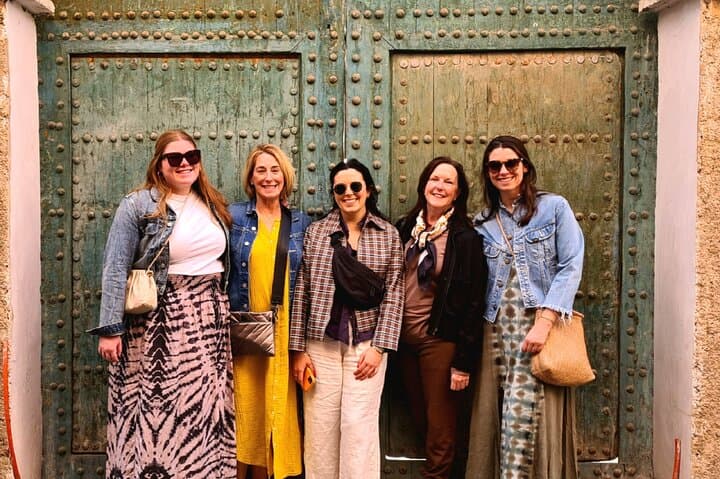
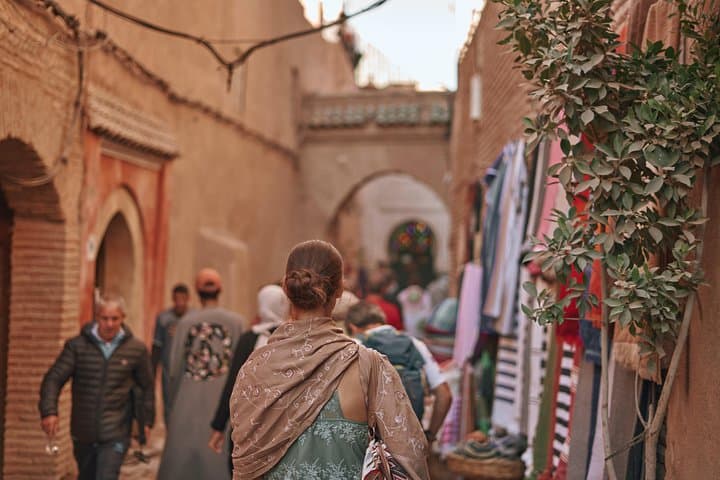
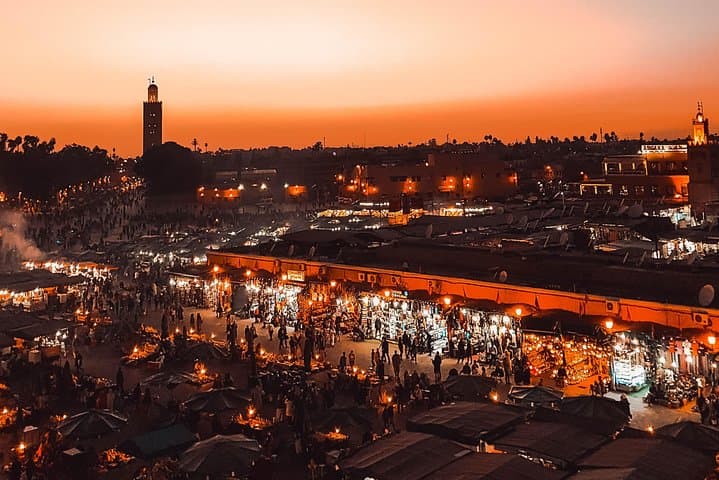
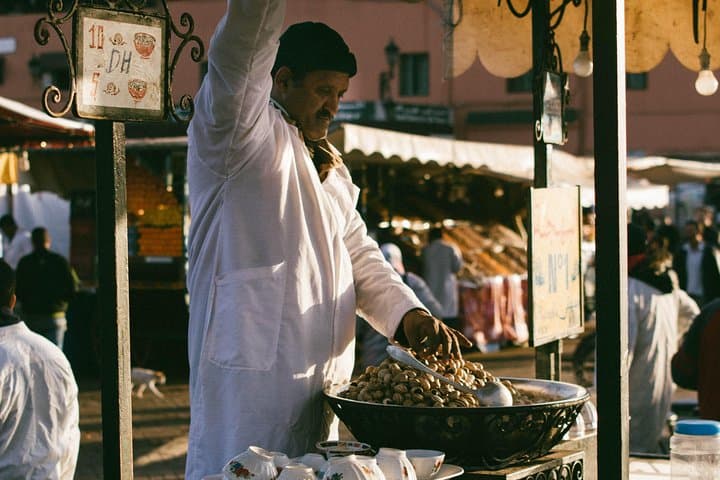
You step off the plaza into a living maze: alleyways narrow to a single sun-slit ribbon, calls from stallholders thread through plumes of spice and the clink of brassware. The guide moves with practiced confidence, pointing out shutters, rooftop terraces, and the particular way sunlight slides across the city's red-earth walls.
You step off the plaza into a living maze: alleyways narrow to a single sun-slit ribbon, calls from stallholders thread through plumes of spice and the clink of brassware. The guide moves with practiced confidence, pointing out shutters, rooftop terraces, and the particular way sunlight slides across the city's red-earth walls.
The Medina of Marrakech dates to the 11th century and grew around caravan trade routes; the current souk layout reflects centuries of guilds—leatherworkers, dyers, metal-smiths—organized by craft. Geologically the city sits on alluvial terraces of the Haouz plain, and the warm ochre of its buildings comes from local clays fired into brick and plaster. Culturally, souks remain social as well as commercial hubs: exchanges are personal, stories are bartered along with goods, and craft techniques pass down through families.
Expect a mix of sensory scenes—mountains of cumin and saffron, dye vats of indigo, rooftop views over the jumble of terracotta—and practical moments: watching a cobbler stitch a leather babouche or seeing wool dyed by hand.
Plan for three hours on foot; wear closed-toe walking shoes and bring cash in small denominations. Go in the morning to avoid peak heat and crowds, or late afternoon for cooler light and rooftop tea. Learn basic bargaining strategies from your guide, protect valuables in an inside pocket, and carry a reusable water bottle to reduce plastic waste. Whether you book small-group or private, a local guide turns confusion into discovery—finding the authentic stalls, explaining materials, and steering you to the best tea rooftop for a pause above the souk chaos.