THE ADVENTURE COLLECTIVE® · Independent discovery and booking for outdoor travel

A guided three-hour walk through Marrakech’s medina that pairs practical shopping smarts with visits to artisan workshops. Learn bargaining, meet family makers, and leave with authentic goods while supporting local projects.
A guided three-hour walk through Marrakech’s medina that pairs practical shopping smarts with visits to artisan workshops. Learn bargaining, meet family makers, and leave with authentic goods while supporting local projects.
A narrow alley opens and you step into a living market where color and sound push at you from both sides. Lamps hang low like watchful eyes, rows of handwoven rugs fold into themselves, and spices pile into fragrant cones that almost dare you to reach in. A guide with practiced feet threads the group through the lanes, pausing at a family workshop where a craftsman hammers brass into a lamp.
Verified experiences and guided adventures in the surrounding area.
Operated by Marrakech Tour Guide · Marrakech, Marrakesh-Safi
A narrow alley opens and you step into a living market where color and sound push at you from both sides. Lamps hang low like watchful eyes, rows of handwoven rugs fold into themselves, and spices pile into fragrant cones that almost dare you to reach in. A guide with practiced feet threads the group through the lanes, pausing at a family workshop where a craftsman hammers brass into a lamp.
The medina of Marrakech grew from an 11th-century Almoravid foundation into a dense network of specialist souks—areas historically organized by trade. The streets reveal layers of urban geology: compacted clay lanes, stone thresholds worn smooth by centuries of traffic, and hidden courtyards that still host small communal workshops. Culturally, the souks remain a place of living skills; many stalls are family-run businesses passed down generations.
Practically, this is a three-hour, low-impact walking experience focused on shopping, learning bargaining techniques, and meeting artisans. Expect uneven cobbles, tight passages, and frequent sensory overload—good guides filter that for you, pointing out authentic ateliers versus tourist fare. Bring cash in small bills for negotiations, wear stable shoes for cobblestones, and leave large luggage at your hotel; the medina’s lanes are not car-friendly.
The tour also has a local-benefit angle: a portion of proceeds supports community projects and local makers. For travelers who want to experience Marrakech beyond postcards, this is a structured, accessible way to see craft traditions, practice basic Arabic phrases, and come away with items chosen intentionally rather than purchased at random.
easy.
3 hours.
Light walking fitness—able to stand and stroll for several hours with short pauses
The operator lists wheelchair-accessible surfaces and transportation options, but some lanes in the medina have narrow or uneven sections—check with the provider about specific mobility needs.
Yes; the tour fee covers the guide, not souvenirs—bring cash or confirm card acceptance with each vendor.
Shared tours are limited (typically up to 10 people), allowing the guide to navigate the lanes and give personalized recommendations.
Yes—the guide asks at the start about what you want (textiles, lamps, spices) and tailors the route accordingly.
Marrakech’s medina dates to the 11th century; over time artisans clustered into specialized souks (carpet, leather, metalwork) that persist in form today.
Buy directly from artisans or cooperatives when possible to ensure proceeds support local families; avoid single-use plastics and ask about production methods to favor sustainable materials.
Marrakech Tour Guide operates guided outdoor trips and adventures with an emphasis on safety, stewardship, and memorable experiences.
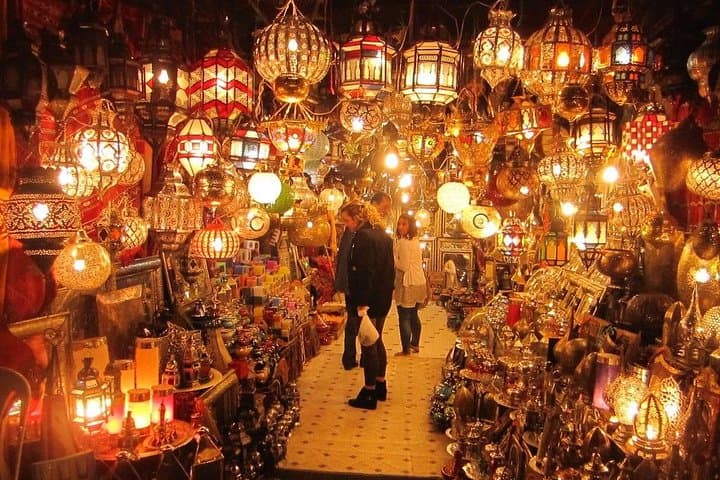
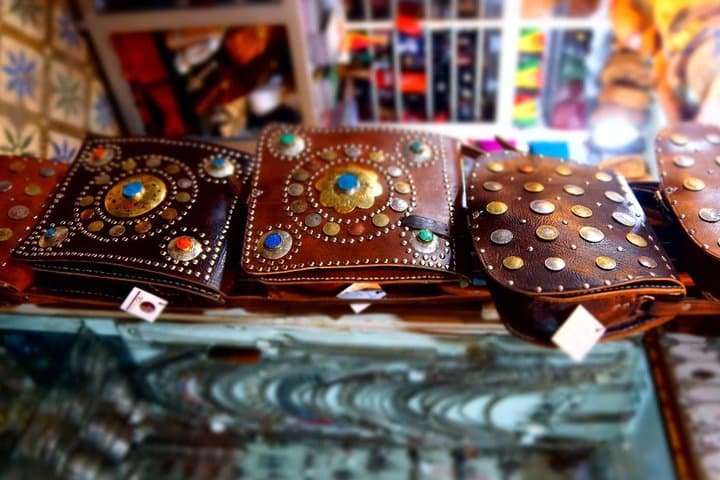
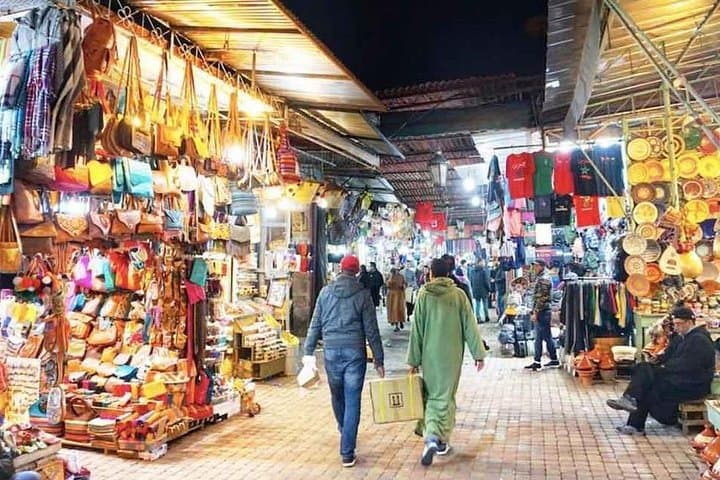
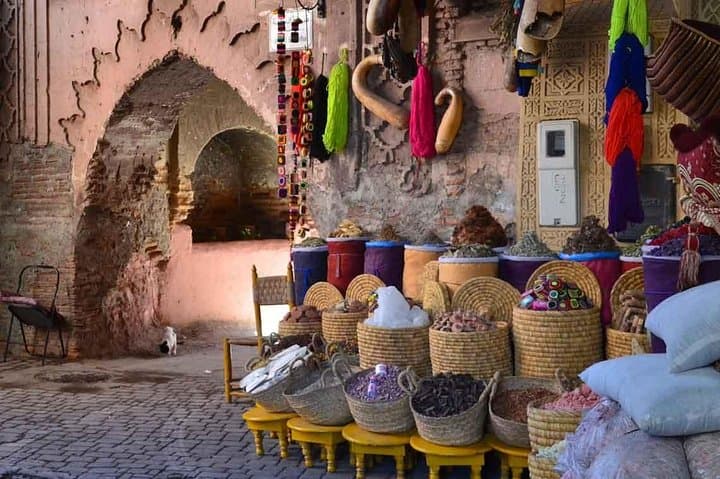
A narrow alley opens and you step into a living market where color and sound push at you from both sides. Lamps hang low like watchful eyes, rows of handwoven rugs fold into themselves, and spices pile into fragrant cones that almost dare you to reach in. A guide with practiced feet threads the group through the lanes, pausing at a family workshop where a craftsman hammers brass into a lamp.
A narrow alley opens and you step into a living market where color and sound push at you from both sides. Lamps hang low like watchful eyes, rows of handwoven rugs fold into themselves, and spices pile into fragrant cones that almost dare you to reach in. A guide with practiced feet threads the group through the lanes, pausing at a family workshop where a craftsman hammers brass into a lamp.
The medina of Marrakech grew from an 11th-century Almoravid foundation into a dense network of specialist souks—areas historically organized by trade. The streets reveal layers of urban geology: compacted clay lanes, stone thresholds worn smooth by centuries of traffic, and hidden courtyards that still host small communal workshops. Culturally, the souks remain a place of living skills; many stalls are family-run businesses passed down generations.
Practically, this is a three-hour, low-impact walking experience focused on shopping, learning bargaining techniques, and meeting artisans. Expect uneven cobbles, tight passages, and frequent sensory overload—good guides filter that for you, pointing out authentic ateliers versus tourist fare. Bring cash in small bills for negotiations, wear stable shoes for cobblestones, and leave large luggage at your hotel; the medina’s lanes are not car-friendly.
The tour also has a local-benefit angle: a portion of proceeds supports community projects and local makers. For travelers who want to experience Marrakech beyond postcards, this is a structured, accessible way to see craft traditions, practice basic Arabic phrases, and come away with items chosen intentionally rather than purchased at random.