THE ADVENTURE COLLECTIVE® · Independent discovery and booking for outdoor travel

See Marrakech’s major sights in four hours with private transport and optional guiding. Visit Koutoubia, Bahia Palace, Jardin Majorelle and the souks with hotel pickup and flexible timing.
See Marrakech’s major sights in four hours with private transport and optional guiding. Visit Koutoubia, Bahia Palace, Jardin Majorelle and the souks with hotel pickup and flexible timing.
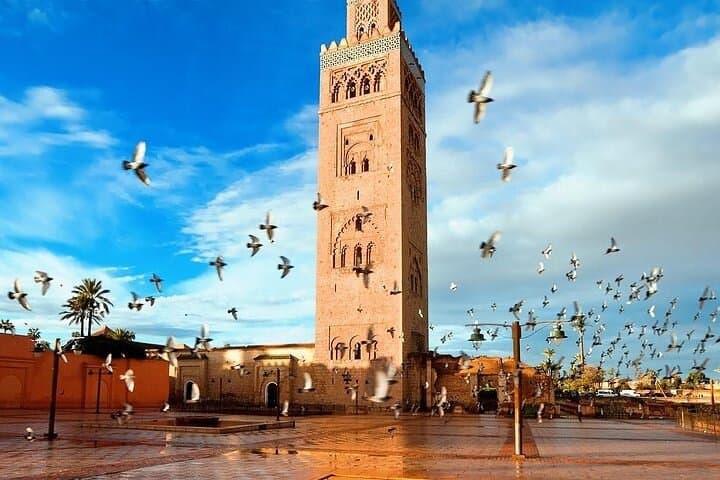
You step out of a private Mercedes van into the pulse of Marrakech: heat radiates off the ochre walls, vendors call from shaded alleys, and the Koutoubia’s minaret points like a finger through the blue.
Verified experiences and guided adventures in the surrounding area.
Operated by BIG G TOURS EVASION · Marrakech, Marrakesh-Safi
You step out of a private Mercedes van into the pulse of Marrakech: heat radiates off the ochre walls, vendors call from shaded alleys, and the Koutoubia’s minaret points like a finger through the blue.
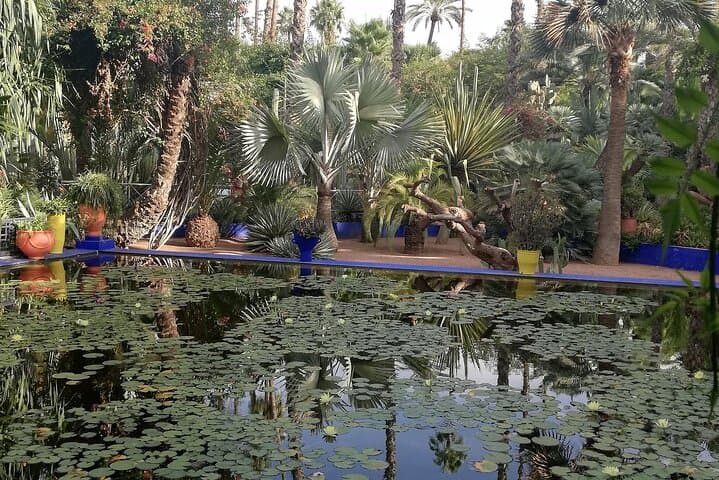
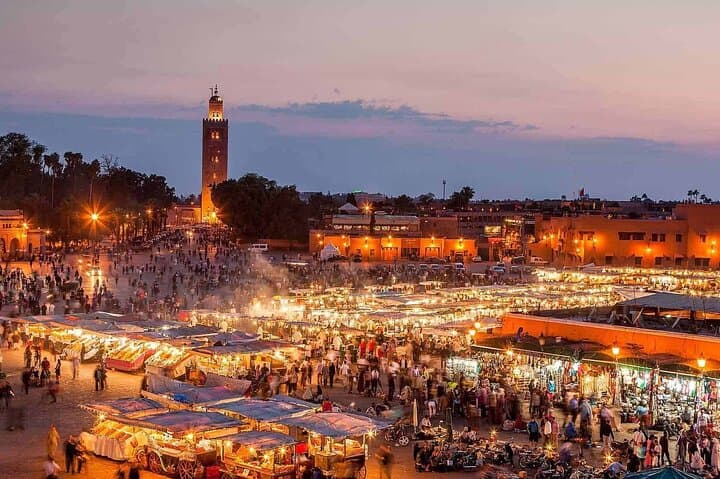
This half-day itinerary threads the medina’s most immediate highlights—Koutoubia Mosque and its gardens, Bahia Palace’s carved wood and zellij tilework, the cobalt shock of Jardin Majorelle, then the organized chaos of Souk Semmarine and the spectacle of Jemaa el-Fna.
Marrakech was founded in 1062 by the Almoravids and grew into an imperial hub; its red city walls and clustered kasbah architecture reflect centuries of trade between the Atlas foothills and the Sahara. Geologically, the city sits on alluvial plains at the edge of more rugged terrain, which historically funneled commerce through its gates. Local life centers on small artisan workshops—metalworkers, dyers, leather tanners—and markets where conversation and bargaining are part of the craft.
Practical guidance: this is a walking-heavy, accessible tour suitable for most travelers, with hotel pickup and a bilingual driver; choose the guided option for context and skip-the-line priorities. Expect uneven cobbles and narrow alleys—sturdy shoes matter. Dress conservatively in respect of local customs, carry bottled water (supplied on board), and bring small bills for purchases and tipping.
Timing is everything: morning or late afternoon keeps you out of peak heat and into better light for photos. Allow time after the tour to climb a rooftop terrace and watch the square turn from market to street-food theater—Marrakech does its best work in motion.
easy.
4 hours.
Suitable for most fitness levels; involves several hours of standing and walking on uneven surfaces
Admissions are not automatically included—confirm at booking or expect to pay on-site; guided options often provide skip-the-line access when available.
Yes—hotel or riad pickup and drop-off are included within Marrakech city limits (generally within ~8 km of the center).
The vehicle and many areas are wheelchair accessible, but narrow alleys and palace steps may limit full access; check specific needs when booking.
Tipping is customary for good service; small amounts for drivers and guides are appreciated and commonly expected.
Marrakech became an Almoravid capital in 1062 and later an imperial city; its medina reflects centuries of trade and layered architectural styles.
Water scarcity and urban waste are ongoing issues; support local artisans, avoid single-use plastics, and stay on established paths to reduce impact.
BIG G TOURS EVASION operates guided outdoor trips and adventures with an emphasis on safety, stewardship, and memorable experiences.
You step out of a private Mercedes van into the pulse of Marrakech: heat radiates off the ochre walls, vendors call from shaded alleys, and the Koutoubia’s minaret points like a finger through the blue.
You step out of a private Mercedes van into the pulse of Marrakech: heat radiates off the ochre walls, vendors call from shaded alleys, and the Koutoubia’s minaret points like a finger through the blue.
This half-day itinerary threads the medina’s most immediate highlights—Koutoubia Mosque and its gardens, Bahia Palace’s carved wood and zellij tilework, the cobalt shock of Jardin Majorelle, then the organized chaos of Souk Semmarine and the spectacle of Jemaa el-Fna.
Marrakech was founded in 1062 by the Almoravids and grew into an imperial hub; its red city walls and clustered kasbah architecture reflect centuries of trade between the Atlas foothills and the Sahara. Geologically, the city sits on alluvial plains at the edge of more rugged terrain, which historically funneled commerce through its gates. Local life centers on small artisan workshops—metalworkers, dyers, leather tanners—and markets where conversation and bargaining are part of the craft.
Practical guidance: this is a walking-heavy, accessible tour suitable for most travelers, with hotel pickup and a bilingual driver; choose the guided option for context and skip-the-line priorities. Expect uneven cobbles and narrow alleys—sturdy shoes matter. Dress conservatively in respect of local customs, carry bottled water (supplied on board), and bring small bills for purchases and tipping.
Timing is everything: morning or late afternoon keeps you out of peak heat and into better light for photos. Allow time after the tour to climb a rooftop terrace and watch the square turn from market to street-food theater—Marrakech does its best work in motion.