THE ADVENTURE COLLECTIVE® · Independent discovery and booking for outdoor travel

Spend a private full day moving through Marrakech’s living medina: Jemaâ el-Fna’s performers, Koutoubia’s minaret, and ornate palaces like Bahia and El Badi. This private, air‑conditioned tour balances efficient transport with on‑foot exploration of the city’s top cultural sites.
Spend a private full day moving through Marrakech’s living medina: Jemaâ el-Fna’s performers, Koutoubia’s minaret, and ornate palaces like Bahia and El Badi. This private, air‑conditioned tour balances efficient transport with on‑foot exploration of the city’s top cultural sites.
You step out of an air-conditioned car into a square that rushes and waits at once: smoke from food stalls threads through calls of vendors, drummers beat a tempo that pulls you toward Jemaâ el-Fna, and orange trees edge shadowed riads like sentries. The medina’s walls—reddened by local clay—hold a city that keeps moving, daring you to slow down and listen.
Verified experiences and guided adventures in the surrounding area.
Operated by Marrakech unique activities · Marrakech, Marrakesh-Safi
You step out of an air-conditioned car into a square that rushes and waits at once: smoke from food stalls threads through calls of vendors, drummers beat a tempo that pulls you toward Jemaâ el-Fna, and orange trees edge shadowed riads like sentries. The medina’s walls—reddened by local clay—hold a city that keeps moving, daring you to slow down and listen.
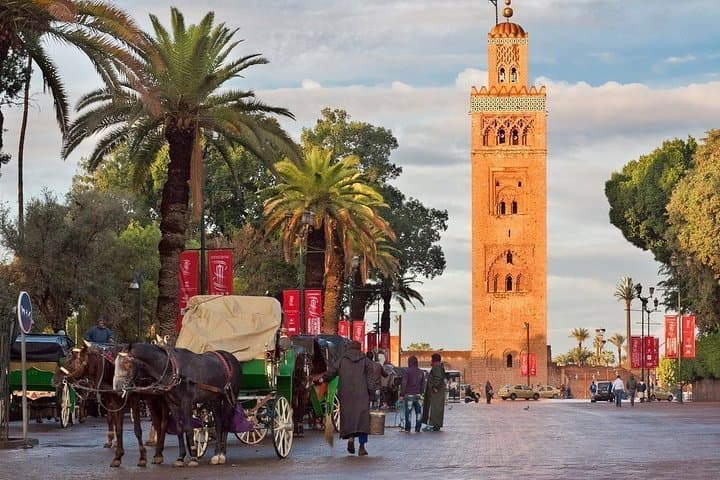
Marrakech grew around its 11th‑century Almoravid foundations and flourished under the Almohads and Saadian dynasties; the Koutoubia’s minaret still marks sightlines across the old city. Bahia and El Badi palaces reveal Moroccan court life in carved stucco and sun-worn courtyards, while the Berber Museum collects material culture from mountain to desert, showing how rural crafts arrived in urban markets.
Geologically, the High Atlas casts a dry blue line to the south; the city sits on alluvial plain soils that make the ochre walls and packed-earth souks possible. Culturally, bargaining is the language of commerce and tea is the currency of conversation.
Practical guidance: this full-day private tour runs roughly 6–7 hours with door-to-door pickup in an AC vehicle; wear sturdy walking shoes, carry a refillable water bottle, and keep small-denomination dirhams for entrance fees and tips. Expect narrow alleys and uneven flagstones—use a shoulder bag and keep valuables close. Plan midday breaks: a shaded café or riad garden offers calm between sites. If you want photos without crowds, aim for early morning at Koutoubia and late afternoon at Bahia Palace. With a private guide and vehicle, you move efficiently but still walk the medina’s spine—bring patience, a light jacket for evening, and a readiness to be surprised.
easy.
6–7 hours.
Light to moderate fitness; involves several hours of walking on flat but uneven surfaces
The private tour lasts about 6–7 hours (360–420 minutes) with hotel pickup and drop‑off included.
This tour’s itinerary lists major sights but admission fees are typically not included—bring cash for entrances such as El Badi or museums.
Yes—infants and small children can be accommodated; some alleys and historic sites have steps or uneven surfaces, so a compact stroller is recommended.
As a private experience, the guide and driver can adjust stops and timing within the tour duration—confirm preferences at booking.
Marrakech became an imperial capital in the 11th century and expanded under Almohad and Saadian rule; many monuments reflect Andalusi and Berber influences fused into Moroccan architecture.
The medina faces pressure from tourism and urban development—support local artisans, use refillable water, and follow local waste guidelines to reduce impact.
Marrakech unique activities operates guided outdoor trips and adventures with an emphasis on safety, stewardship, and memorable experiences.
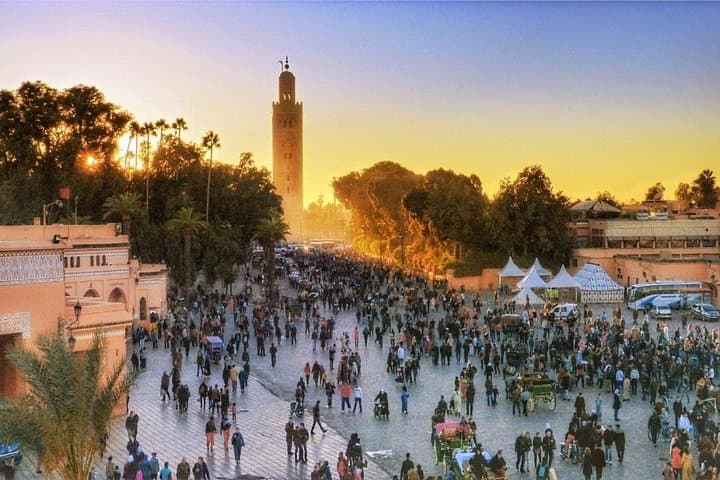

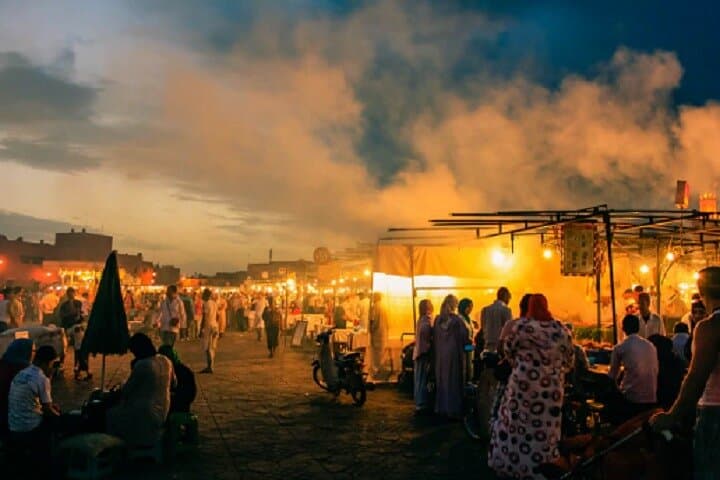
You step out of an air-conditioned car into a square that rushes and waits at once: smoke from food stalls threads through calls of vendors, drummers beat a tempo that pulls you toward Jemaâ el-Fna, and orange trees edge shadowed riads like sentries. The medina’s walls—reddened by local clay—hold a city that keeps moving, daring you to slow down and listen.
You step out of an air-conditioned car into a square that rushes and waits at once: smoke from food stalls threads through calls of vendors, drummers beat a tempo that pulls you toward Jemaâ el-Fna, and orange trees edge shadowed riads like sentries. The medina’s walls—reddened by local clay—hold a city that keeps moving, daring you to slow down and listen.
Marrakech grew around its 11th‑century Almoravid foundations and flourished under the Almohads and Saadian dynasties; the Koutoubia’s minaret still marks sightlines across the old city. Bahia and El Badi palaces reveal Moroccan court life in carved stucco and sun-worn courtyards, while the Berber Museum collects material culture from mountain to desert, showing how rural crafts arrived in urban markets.
Geologically, the High Atlas casts a dry blue line to the south; the city sits on alluvial plain soils that make the ochre walls and packed-earth souks possible. Culturally, bargaining is the language of commerce and tea is the currency of conversation.
Practical guidance: this full-day private tour runs roughly 6–7 hours with door-to-door pickup in an AC vehicle; wear sturdy walking shoes, carry a refillable water bottle, and keep small-denomination dirhams for entrance fees and tips. Expect narrow alleys and uneven flagstones—use a shoulder bag and keep valuables close. Plan midday breaks: a shaded café or riad garden offers calm between sites. If you want photos without crowds, aim for early morning at Koutoubia and late afternoon at Bahia Palace. With a private guide and vehicle, you move efficiently but still walk the medina’s spine—bring patience, a light jacket for evening, and a readiness to be surprised.