THE ADVENTURE COLLECTIVE® · Independent discovery and booking for outdoor travel

Escape Marrakech for a day in the Atlas: hike to Setti Fatma’s cascading falls, visit a women’s argan cooperative, and share a traditional Berber lunch in a family guesthouse. Small-group, flexible pacing and door-to-door pickup make this an accessible mountain immersion.
Escape Marrakech for a day in the Atlas: hike to Setti Fatma’s cascading falls, visit a women’s argan cooperative, and share a traditional Berber lunch in a family guesthouse. Small-group, flexible pacing and door-to-door pickup make this an accessible mountain immersion.
You leave Marrakech before the heat builds, the city’s ochre walls sliding away as the road climbs toward the foothills of the High Atlas. The Ourika River calls first—clear, cool, and daring you to follow its terraces downstream—then the car eases into narrow lanes dotted with low stone houses and argan trees. In Setti Fatma the trail narrows to switchbacks, chatter of the river below, and the first of several falls spilling over weathered rock.
Verified experiences and guided adventures in the surrounding area.
Operated by Marrakech Guided Experience · Marrakech, Marrakech-Safi
You leave Marrakech before the heat builds, the city’s ochre walls sliding away as the road climbs toward the foothills of the High Atlas. The Ourika River calls first—clear, cool, and daring you to follow its terraces downstream—then the car eases into narrow lanes dotted with low stone houses and argan trees. In Setti Fatma the trail narrows to switchbacks, chatter of the river below, and the first of several falls spilling over weathered rock.
Geology here is blunt and honest: folded layers of limestone and schist thrust up by tectonic pressure, carved by streams into stepped waterfalls. The valley is inhabited by Berber (Amazigh) communities whose terraces and stone homes reflect centuries of mountain life. You’ll visit a women’s argan cooperative—argan oil production is both cultural and an income source—and share a home-cooked Berber lunch in a family guesthouse that emphasizes local recipes and hospitality.
Practically, expect a seven-hour day with roughly 45–60 minutes each way from central Marrakech. The walking sections to the waterfalls are short but uneven: stone paths, occasional stairs, and slippery rocks near cascades; cumulative elevation gain on the hikes is modest (around 200–400 m at most) but steady. Bring sturdy shoes, sun protection, and at least 1–2 liters of water. A local guide manages logistics, interprets cultural cues, and can adjust pace or route for small groups.
This trip balances accessible hiking with cultural immersion—good for travelers who want landscape and stories in one day.
moderate.
6–8 hours.
Light to moderate fitness — able to walk uneven trails, climb short flights of stone steps, and be on your feet for several hours.
Typical door-to-door time is 45–60 minutes each way depending on traffic and your pickup location in Marrakech.
The hikes are short but uneven; families with small children or guests with limited mobility should take care and can remain near the village while others climb higher.
A traditional Berber lunch in a family guesthouse is included; inform the operator of dietary restrictions when booking so they can prepare alternatives.
Tipping is customary in Morocco; plan to tip the guide and driver separately based on service—typically a modest amount per person.
The Ourika Valley has long been inhabited by Amazigh (Berber) communities who shaped terraces and stone architecture to farm and live in these foothills of the High Atlas.
Argan cooperatives support local economies while sustainable harvesting is crucial; visitors should avoid single-use plastics and stick to marked trails to limit erosion.
Marrakech Guided Experience operates guided outdoor trips and adventures with an emphasis on safety, stewardship, and memorable experiences.
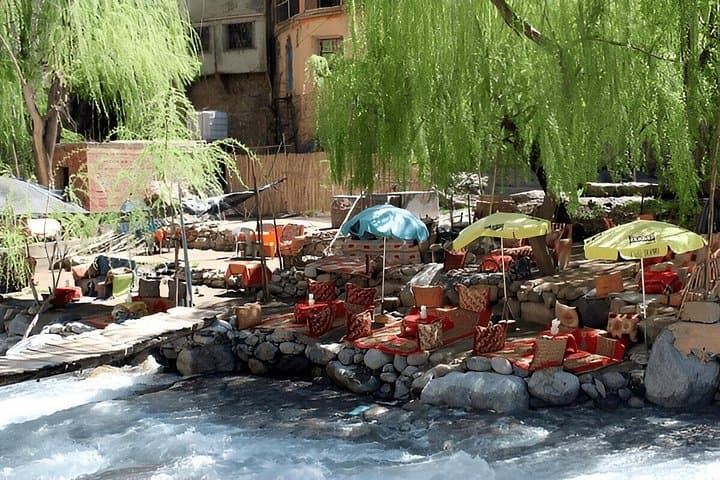
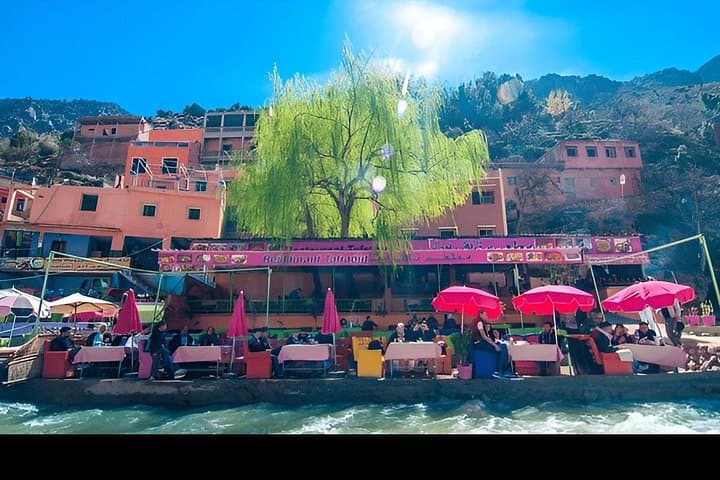
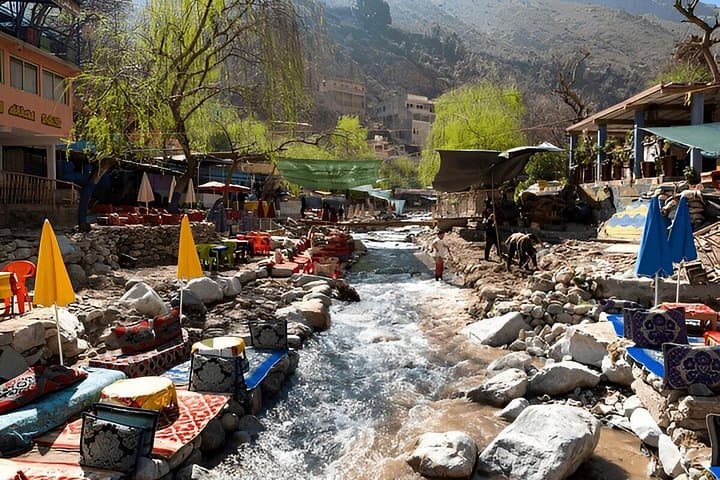
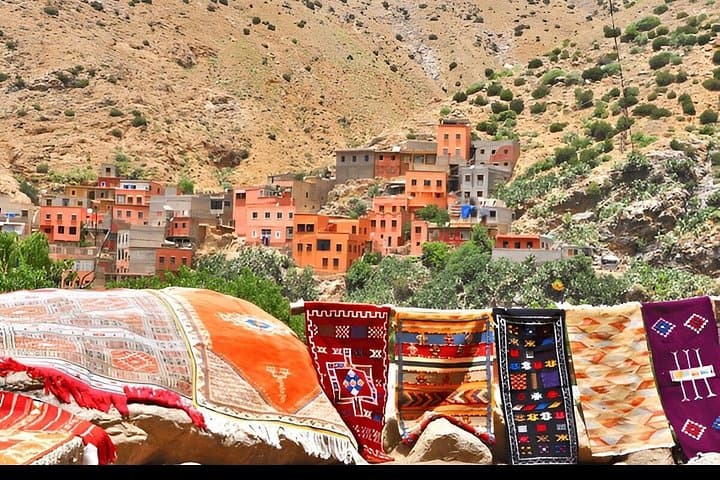
You leave Marrakech before the heat builds, the city’s ochre walls sliding away as the road climbs toward the foothills of the High Atlas. The Ourika River calls first—clear, cool, and daring you to follow its terraces downstream—then the car eases into narrow lanes dotted with low stone houses and argan trees. In Setti Fatma the trail narrows to switchbacks, chatter of the river below, and the first of several falls spilling over weathered rock.
You leave Marrakech before the heat builds, the city’s ochre walls sliding away as the road climbs toward the foothills of the High Atlas. The Ourika River calls first—clear, cool, and daring you to follow its terraces downstream—then the car eases into narrow lanes dotted with low stone houses and argan trees. In Setti Fatma the trail narrows to switchbacks, chatter of the river below, and the first of several falls spilling over weathered rock.
Geology here is blunt and honest: folded layers of limestone and schist thrust up by tectonic pressure, carved by streams into stepped waterfalls. The valley is inhabited by Berber (Amazigh) communities whose terraces and stone homes reflect centuries of mountain life. You’ll visit a women’s argan cooperative—argan oil production is both cultural and an income source—and share a home-cooked Berber lunch in a family guesthouse that emphasizes local recipes and hospitality.
Practically, expect a seven-hour day with roughly 45–60 minutes each way from central Marrakech. The walking sections to the waterfalls are short but uneven: stone paths, occasional stairs, and slippery rocks near cascades; cumulative elevation gain on the hikes is modest (around 200–400 m at most) but steady. Bring sturdy shoes, sun protection, and at least 1–2 liters of water. A local guide manages logistics, interprets cultural cues, and can adjust pace or route for small groups.
This trip balances accessible hiking with cultural immersion—good for travelers who want landscape and stories in one day.