THE ADVENTURE COLLECTIVE® · Independent discovery and booking for outdoor travel

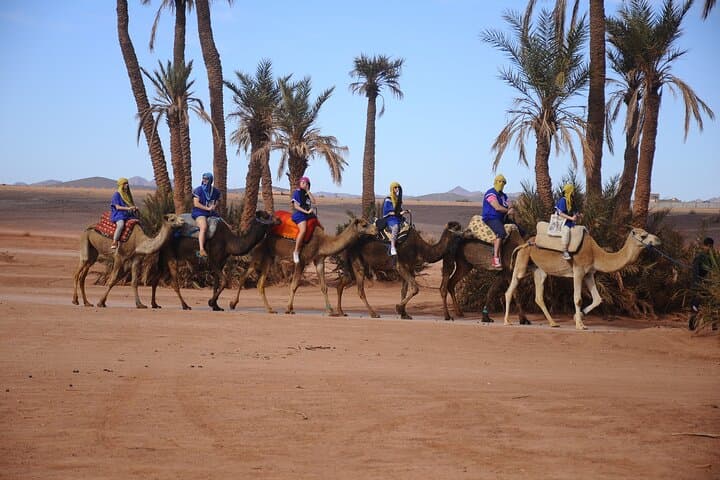
Feel the Palmeraie’s contrast — two roaring hours on an ATV through sand and palm trails followed by a calm 20-minute camel walk and a traditional tea stop. A practical half-day that mixes adrenaline with local culture near Marrakech.
Feel the Palmeraie’s contrast — two roaring hours on an ATV through sand and palm trails followed by a calm 20-minute camel walk and a traditional tea stop. A practical half-day that mixes adrenaline with local culture near Marrakech.
You pull away from the riad as the city’s ochre walls shrink behind you and the Palmeraie opens like a different world: a river of palms cutting across ochre sand, wind riffing through fronds that lean and whisper. The engine’s vibration under your hands matches the steady clip of hoof against earth during the camel stretch — two mechanical and animal rhythms that give the palm grove a new cadence.
Verified experiences and guided adventures in the surrounding area.
Operated by quad bike saffari marrakech · Marrakech, Marrakesh-Safi
You pull away from the riad as the city’s ochre walls shrink behind you and the Palmeraie opens like a different world: a river of palms cutting across ochre sand, wind riffing through fronds that lean and whisper. The engine’s vibration under your hands matches the steady clip of hoof against earth during the camel stretch — two mechanical and animal rhythms that give the palm grove a new cadence.
The Palmeraie began as an engineered oasis centuries ago, fed by a traditional khettara irrigation system that sustained crops and trails for caravan traffic. Today the grove mixes wild dunes and plotted plots; geology here is simple — sand over red-earth terraces — but it shapes everything, from how paths braid through palms to where dunes form. The local Berber communities still host tea and small gatherings; a short stop for mint tea offers a compact glimpse into daily hospitality and local craft.
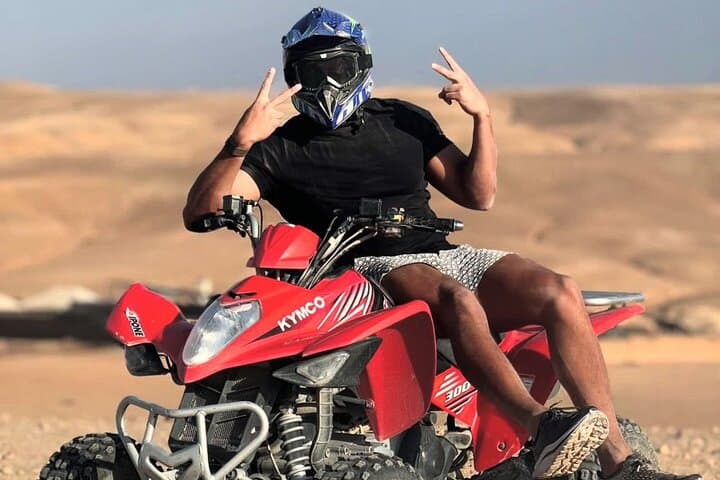
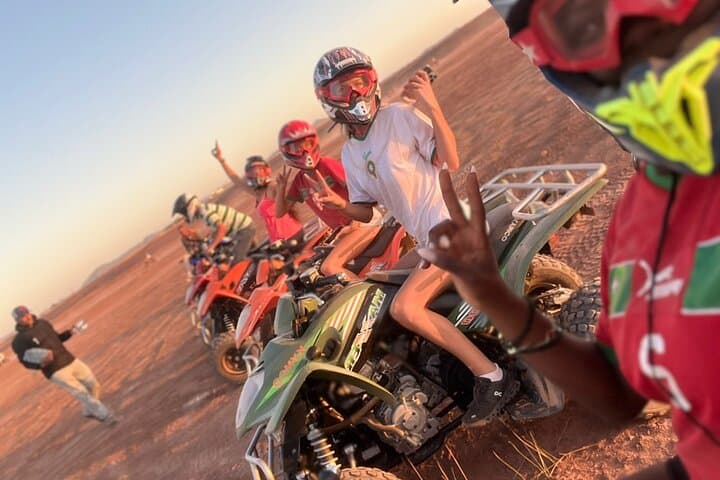
Practical guidance: expect roughly 2 hours of active quad time plus a 20-minute camel walk within a 3–4 hour door-to-door tour. Guides provide helmets, goggles and a briefing; novice riders can handle the trails after instruction, but the terrain alternates between packed tracks and soft sand that demands steady throttle control. Wear closed-toe shoes, bring sunscreen and a lightweight scarf for dust, and hydrate before and after the ride. Photography opportunities are frequent at dune edges and the village tea stop, but keep distances respectful around local homes and animals.
This combo balances pulse-raising ATV sections with the slower, observant pace of a camel ride — a practical way to experience both the Palm Grove’s energy and its quieter cultural corners.
moderate.
3–4 hours.
Suitable for most people in reasonable health; core strength and basic coordination help for controlling the ATV on sand.
No — guides provide a safety briefing and basic instruction; beginners can participate but should follow the guide and start at conservative speeds.
Yes — the 20-minute camel walk typically follows the quad portion and takes place within the Palmeraie area on gentler terrain.
Closed-toe shoes, comfortable trousers, and layers for sun protection; helmets and goggles are supplied by the operator.
Yes — the tour includes round-trip private transfer from most hotels and riads in Marrakech; provide pickup details at booking.
The Palmeraie is a managed palm oasis developed through traditional irrigation (khettara) systems; it long supported agriculture and caravan routes on Marrakech’s edge.
Urban expansion and water demand stress the palms; stay on trails, avoid littering and support local guides who work with communities to protect the grove.
quad bike saffari marrakech operates guided outdoor trips and adventures with an emphasis on safety, stewardship, and memorable experiences.
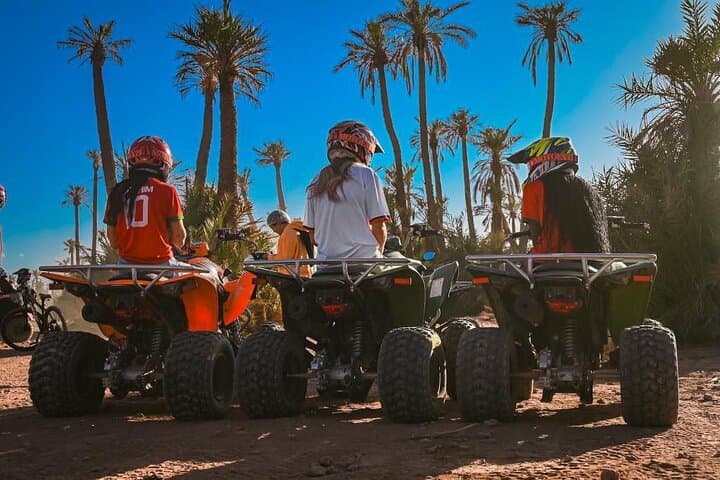
You pull away from the riad as the city’s ochre walls shrink behind you and the Palmeraie opens like a different world: a river of palms cutting across ochre sand, wind riffing through fronds that lean and whisper. The engine’s vibration under your hands matches the steady clip of hoof against earth during the camel stretch — two mechanical and animal rhythms that give the palm grove a new cadence.
You pull away from the riad as the city’s ochre walls shrink behind you and the Palmeraie opens like a different world: a river of palms cutting across ochre sand, wind riffing through fronds that lean and whisper. The engine’s vibration under your hands matches the steady clip of hoof against earth during the camel stretch — two mechanical and animal rhythms that give the palm grove a new cadence.
The Palmeraie began as an engineered oasis centuries ago, fed by a traditional khettara irrigation system that sustained crops and trails for caravan traffic. Today the grove mixes wild dunes and plotted plots; geology here is simple — sand over red-earth terraces — but it shapes everything, from how paths braid through palms to where dunes form. The local Berber communities still host tea and small gatherings; a short stop for mint tea offers a compact glimpse into daily hospitality and local craft.
Practical guidance: expect roughly 2 hours of active quad time plus a 20-minute camel walk within a 3–4 hour door-to-door tour. Guides provide helmets, goggles and a briefing; novice riders can handle the trails after instruction, but the terrain alternates between packed tracks and soft sand that demands steady throttle control. Wear closed-toe shoes, bring sunscreen and a lightweight scarf for dust, and hydrate before and after the ride. Photography opportunities are frequent at dune edges and the village tea stop, but keep distances respectful around local homes and animals.
This combo balances pulse-raising ATV sections with the slower, observant pace of a camel ride — a practical way to experience both the Palm Grove’s energy and its quieter cultural corners.