THE ADVENTURE COLLECTIVE® · Independent discovery and booking for outdoor travel

Spend a half-day in Marrakech’s Palmeraie combining a gentle camel trek among palm groves with a 90-minute quad-bike run over dry riverbeds and dunes. This guided experience pairs cultural pause—mint tea in a tent—with a controlled dose of off-road adrenaline.
Spend a half-day in Marrakech’s Palmeraie combining a gentle camel trek among palm groves with a 90-minute quad-bike run over dry riverbeds and dunes. This guided experience pairs cultural pause—mint tea in a tent—with a controlled dose of off-road adrenaline.
A morning here begins with dust and cool air: you leave the city behind, palms rising like columns as the driver threads a narrow lane into the Palmeraie. Camels shift and breathe in the shade; guides adjust saddles and hand out traditional headscarves. The first hour is slow and deliberate—a camel trek beneath clustered date palms where trunks lean and fronds murmur, giving the grove a steady, breathing rhythm.
Verified experiences and guided adventures in the surrounding area.
Operated by Time Out travel · Marrakech, Marrakech-Safi
A morning here begins with dust and cool air: you leave the city behind, palms rising like columns as the driver threads a narrow lane into the Palmeraie. Camels shift and breathe in the shade; guides adjust saddles and hand out traditional headscarves. The first hour is slow and deliberate—a camel trek beneath clustered date palms where trunks lean and fronds murmur, giving the grove a steady, breathing rhythm.
The Palmeraie grew from centuries of irrigation and deliberate planting, an engineered oasis on Marrakech’s northern edge. Geologically, the area sits on alluvial fans spilling from the Atlas foothills; the flat sandy soil and shallow aquifers made the grove viable long before modern tourism. Along the route, small Berber hamlets and irrigated plots punctuate the landscape, offering a glimpse of local agricultural life.
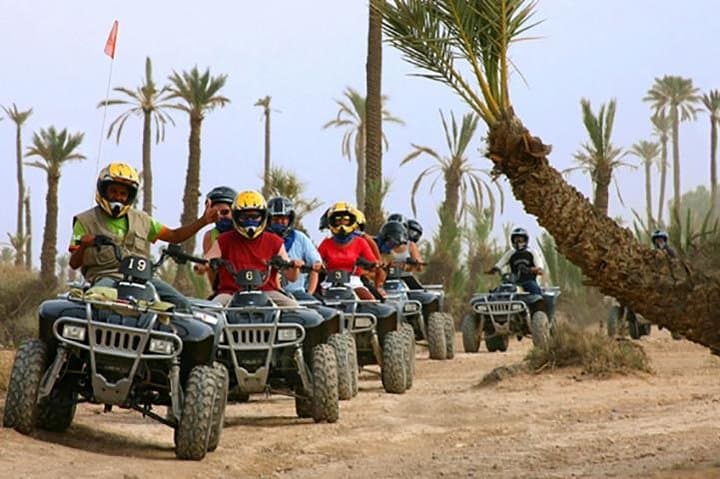
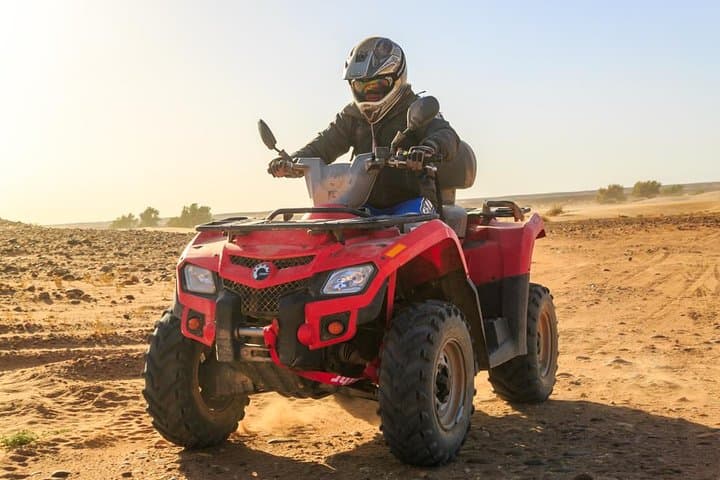
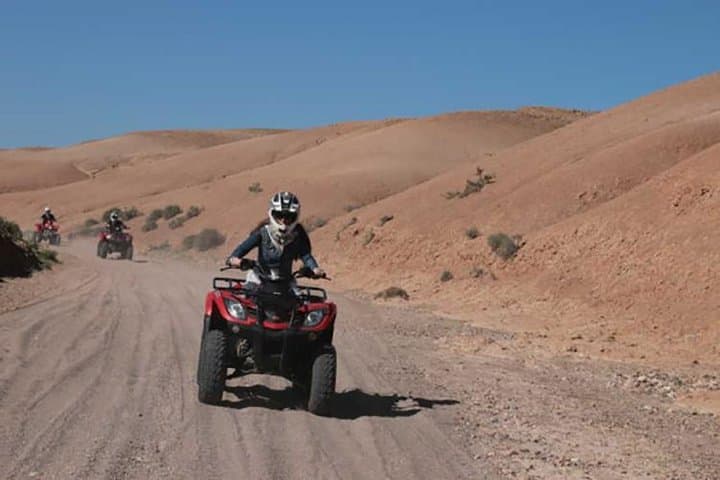
After mint tea in a Bedouin tent, the mood shifts: quad bikes and wide tracks, dry riverbeds that test your balance, and low dunes that push a quick adrenaline spike. Guides point out traditional irrigation channels and scattered argan trees while keeping the route contained to prevent damage to palms.
Practically, this is a half-day excursion suited to travelers with moderate fitness. Wear closed-toe shoes, bring sun protection, and expect a guided safety briefing and equipment (helmet, goggles). The operator provides hotel pickup and drop-off in Marrakech and runs morning and afternoon departures—choose the cooler morning for more comfortable riding and calmer camels.
moderate.
3 hours.
Moderate — suitable for people comfortable walking and mounting animals; must handle short bursts of physical effort for quad control.
Yes—pickup and drop-off at Marrakech hotels or riads are included in the tour price.
Children under 8 should share a camel with an adult; riders must typically be 14+ to operate a quad, younger participants can ride as passengers.
No prior experience required; guided briefing and supervised practice are provided before the route.
Closed-toe shoes, comfortable trousers, and sun protection—avoid skirts or loose items that could tangle on the quad or saddle.
The Palmeraie dates to irrigation developments that turned sandy flats into a managed palm oasis, historically supplying dates and shade to Marrakech’s outskirts.
Quad routes can compact soil and stress palms; stick to guided trails, avoid off-route riding, and follow local waste rules to reduce impact.
Time Out travel operates guided outdoor trips and adventures with an emphasis on safety, stewardship, and memorable experiences.
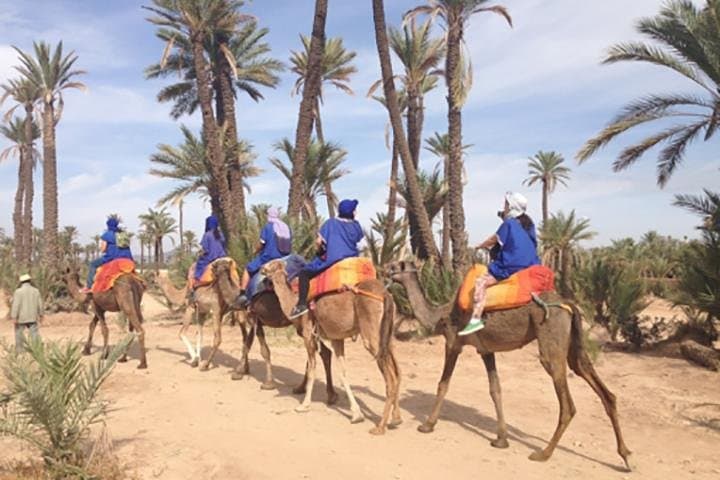
A morning here begins with dust and cool air: you leave the city behind, palms rising like columns as the driver threads a narrow lane into the Palmeraie. Camels shift and breathe in the shade; guides adjust saddles and hand out traditional headscarves. The first hour is slow and deliberate—a camel trek beneath clustered date palms where trunks lean and fronds murmur, giving the grove a steady, breathing rhythm.
A morning here begins with dust and cool air: you leave the city behind, palms rising like columns as the driver threads a narrow lane into the Palmeraie. Camels shift and breathe in the shade; guides adjust saddles and hand out traditional headscarves. The first hour is slow and deliberate—a camel trek beneath clustered date palms where trunks lean and fronds murmur, giving the grove a steady, breathing rhythm.
The Palmeraie grew from centuries of irrigation and deliberate planting, an engineered oasis on Marrakech’s northern edge. Geologically, the area sits on alluvial fans spilling from the Atlas foothills; the flat sandy soil and shallow aquifers made the grove viable long before modern tourism. Along the route, small Berber hamlets and irrigated plots punctuate the landscape, offering a glimpse of local agricultural life.
After mint tea in a Bedouin tent, the mood shifts: quad bikes and wide tracks, dry riverbeds that test your balance, and low dunes that push a quick adrenaline spike. Guides point out traditional irrigation channels and scattered argan trees while keeping the route contained to prevent damage to palms.
Practically, this is a half-day excursion suited to travelers with moderate fitness. Wear closed-toe shoes, bring sun protection, and expect a guided safety briefing and equipment (helmet, goggles). The operator provides hotel pickup and drop-off in Marrakech and runs morning and afternoon departures—choose the cooler morning for more comfortable riding and calmer camels.