THE ADVENTURE COLLECTIVE® · Independent discovery and booking for outdoor travel

A full-day escape from Marrakech into the High Atlas to hike to the Ourika Valley waterfalls and visit traditional Berber villages. Expect short steep trails, spring-fed pools, argan cooperatives and a practical, guide-led cultural experience.
A full-day escape from Marrakech into the High Atlas to hike to the Ourika Valley waterfalls and visit traditional Berber villages. Expect short steep trails, spring-fed pools, argan cooperatives and a practical, guide-led cultural experience.
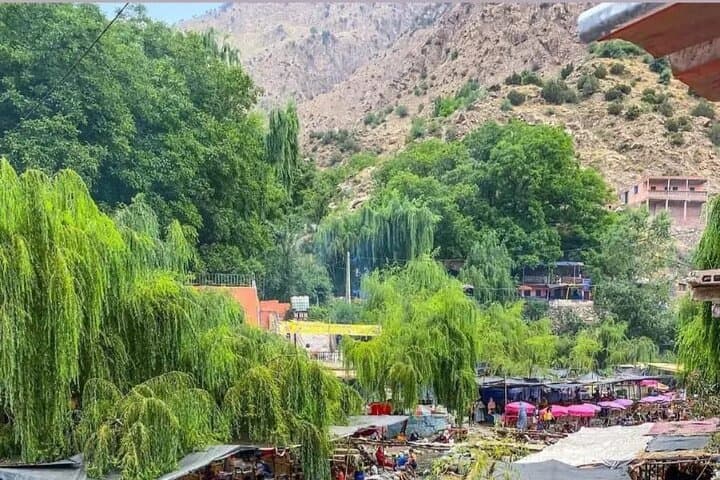
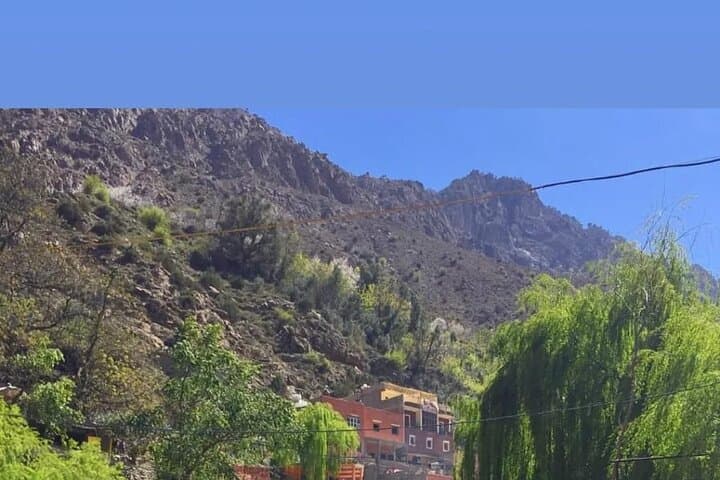
You step out of the minivan into a cool ribbon of mountain air; the road has given over to switchbacks and a wide panorama of terraced slopes. The Ourika River threads the valley below, daring you toward a series of waterfalls that chant against the rock. A short guided walk climbs past orchards and mule tracks, the path shifting between packed earth, stone steps and slick rock near the cascades.
Verified experiences and guided adventures in the surrounding area.
Operated by Morocco desert planet · Setti Fatma, Marrakech-Safi
You step out of the minivan into a cool ribbon of mountain air; the road has given over to switchbacks and a wide panorama of terraced slopes. The Ourika River threads the valley below, daring you toward a series of waterfalls that chant against the rock. A short guided walk climbs past orchards and mule tracks, the path shifting between packed earth, stone steps and slick rock near the cascades.
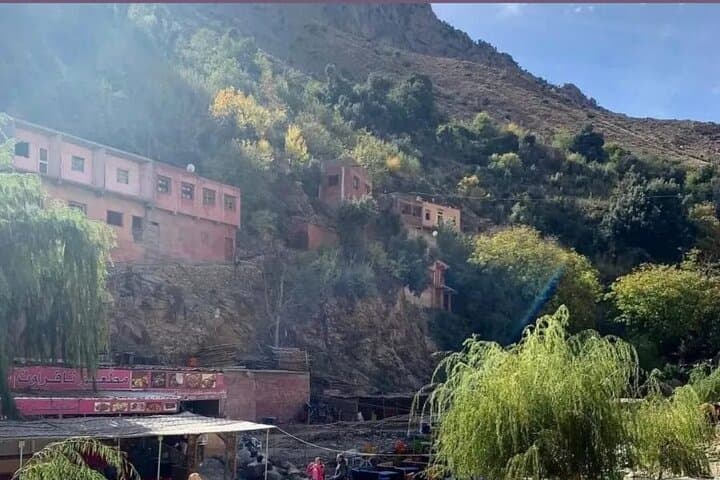
Geology here is honest: folded schist and limestone carved by millennia of runoff from the High Atlas. Human history is equally visible — small Berber hamlets cling to sunny benches above the stream, their flat-roof houses, cultivated terraces and communal cooperatives reflecting centuries of mountain life. You’ll likely stop at an argan cooperative where traditional oil pressing and woven crafts show craftspeople’s daily rhythms.
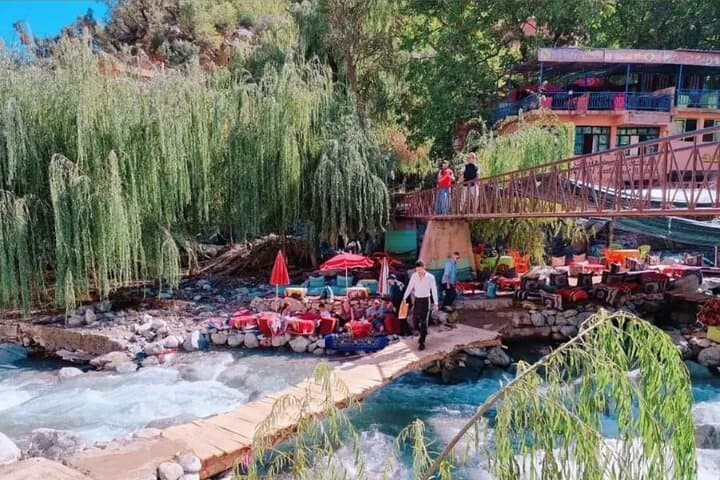
Expect a guided, roughly one-hour hike to reach the major cascades near Setti Fatma, crossing narrow footbridges and informal trails. The walk is primarily uneven terrain with short, steep sections rather than long sustained climbs. Local guides point out olive and fig trees, irrigation channels and seasonal wildflowers, and they explain how villages manage water and soil on these slopes.
Practical notes: start early from Marrakech to avoid mid-day heat, wear grippy shoes, and bring water and modest clothing for village visits. Respect private property and follow your guide’s route—many paths are communal and erosion-prone. The reward is straightforward: cool pools, splashing falls and a close-up look at Berber mountain life just an hour from the city.
moderate.
8 hours.
Suitable for travelers of average fitness comfortable with 1 hour of uneven uphill walking and short steep sections.
The guided walk portion is typically about 45–75 minutes round-trip depending on pace and which cascades you visit.
Most tours include pickup and drop-off from Marrakech accommodations; confirm your pickup point when booking.
Yes—paths are short but uneven; children and older adults who can manage short uphill sections usually do fine, though those with serious mobility issues should skip the hike portion.
Bring small change for cooperative purchases or tea, modest clothing for cultural respect, and a camera—always ask before photographing people.
The Ourika Valley has been inhabited by Amazigh (Berber) communities for centuries, serving as an agricultural and transit corridor into the High Atlas.
Tourism puts pressure on narrow trails and water resources; stick to established paths, avoid leaving waste, and support local cooperatives to keep economic benefits in the valley.
Morocco desert planet operates guided outdoor trips and adventures with an emphasis on safety, stewardship, and memorable experiences.
You step out of the minivan into a cool ribbon of mountain air; the road has given over to switchbacks and a wide panorama of terraced slopes. The Ourika River threads the valley below, daring you toward a series of waterfalls that chant against the rock. A short guided walk climbs past orchards and mule tracks, the path shifting between packed earth, stone steps and slick rock near the cascades.
You step out of the minivan into a cool ribbon of mountain air; the road has given over to switchbacks and a wide panorama of terraced slopes. The Ourika River threads the valley below, daring you toward a series of waterfalls that chant against the rock. A short guided walk climbs past orchards and mule tracks, the path shifting between packed earth, stone steps and slick rock near the cascades.
Geology here is honest: folded schist and limestone carved by millennia of runoff from the High Atlas. Human history is equally visible — small Berber hamlets cling to sunny benches above the stream, their flat-roof houses, cultivated terraces and communal cooperatives reflecting centuries of mountain life. You’ll likely stop at an argan cooperative where traditional oil pressing and woven crafts show craftspeople’s daily rhythms.
Expect a guided, roughly one-hour hike to reach the major cascades near Setti Fatma, crossing narrow footbridges and informal trails. The walk is primarily uneven terrain with short, steep sections rather than long sustained climbs. Local guides point out olive and fig trees, irrigation channels and seasonal wildflowers, and they explain how villages manage water and soil on these slopes.
Practical notes: start early from Marrakech to avoid mid-day heat, wear grippy shoes, and bring water and modest clothing for village visits. Respect private property and follow your guide’s route—many paths are communal and erosion-prone. The reward is straightforward: cool pools, splashing falls and a close-up look at Berber mountain life just an hour from the city.