THE ADVENTURE COLLECTIVE® · Independent discovery and booking for outdoor travel

Escape Marrakech for a day into the Atlas foothills: short hikes to cascading falls, visits to Berber villages, and a hands-on argan cooperative followed by a local lunch. Practical, scenic, and culturally rich—ideal for travelers wanting an accessible mountain experience.
Escape Marrakech for a day into the Atlas foothills: short hikes to cascading falls, visits to Berber villages, and a hands-on argan cooperative followed by a local lunch. Practical, scenic, and culturally rich—ideal for travelers wanting an accessible mountain experience.
A cool mountain breeze meets the road out of Marrakech as the Atlas foothills loom ahead, and the Ourika River begins to call—its riffles daring you toward the valley. The approach is cinematic: terraced orchards give way to stone villages clinging to slopes, and the river threads the valley floor, pushing through shale and stone toward a series of stepped waterfalls.
Verified experiences and guided adventures in the surrounding area.
Operated by Enjoying Marrakech · Marrakech, Marrakech-Safi
A cool mountain breeze meets the road out of Marrakech as the Atlas foothills loom ahead, and the Ourika River begins to call—its riffles daring you toward the valley. The approach is cinematic: terraced orchards give way to stone villages clinging to slopes, and the river threads the valley floor, pushing through shale and stone toward a series of stepped waterfalls.
The Ourika Valley sits on the southern fringe of the High Atlas, carved by seasonal streams that cut through Pliocene-era rock and alluvial terraces. Berber (Amazigh) families have farmed here for centuries; the valley’s small villages preserve both language and craft, notably cooperative argan oil production that blends traditional pressing with new market access.
Visitors will recognize the practical side of the landscape—paved roadways close to villages, short footpaths to cascades, and agricultural plots that reveal irrigation techniques still in use. Cultural moments are frequent: a cooperative demonstration of argan pressing, local mint tea offered in a hillside home, and simple mountain recipes served at lunch.
Practical guidance: plan for a 6–7 hour outing with moderate walking on uneven trails; bring good footwear and at least 1.5 liters of water. Midday sun is strong—start early to beat heat and crowds. Respect private farm areas and ask before photographing people. Support local cooperatives and carry small bills for purchases.
This is a day designed for accessible outdoor immersion—short hikes, waterfall rewards, and hands-on cultural exchange—an efficient, tangible way to experience the Atlas without technical gear.
moderate.
6–7 hours.
Moderate fitness; able to walk 1–3 miles on uneven terrain and handle short stair-like scrambles to waterfalls.
The itinerary is about 6–7 hours door-to-door from Marrakech, including drives, village visits, and time at the waterfalls.
Short, steady portions of the path are family-friendly, but some sections are steep; assistance or slower pacing may be needed for limited-mobility guests.
Yes — a local lunch and air-conditioned transport from Marrakech are included; confirm any dietary requests when booking.
Yes, cooperatives sell handmade argan and crafts; buying directly supports local families—carry cash for small purchases.
Berber (Amazigh) communities have farmed the Ourika terraces for centuries; the valley was historically a route for seasonal herders between altitudinal pastures.
Tourism can strain water and waste systems; favor licensed operators, buy from cooperatives, and leave no trace to reduce impact.
Enjoying Marrakech operates guided outdoor trips and adventures with an emphasis on safety, stewardship, and memorable experiences.
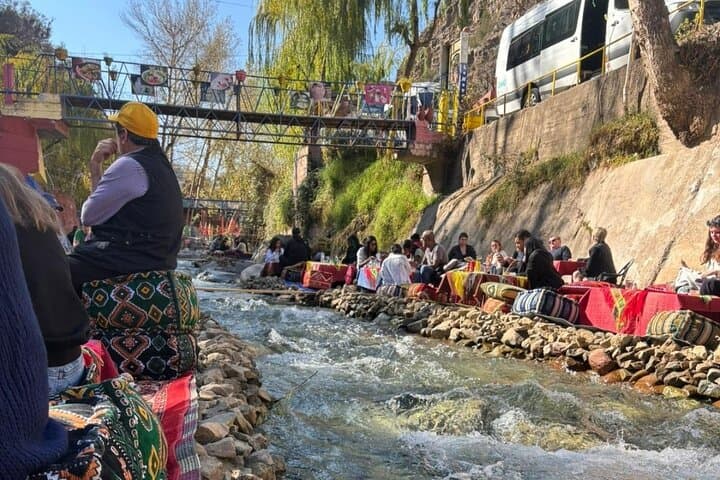
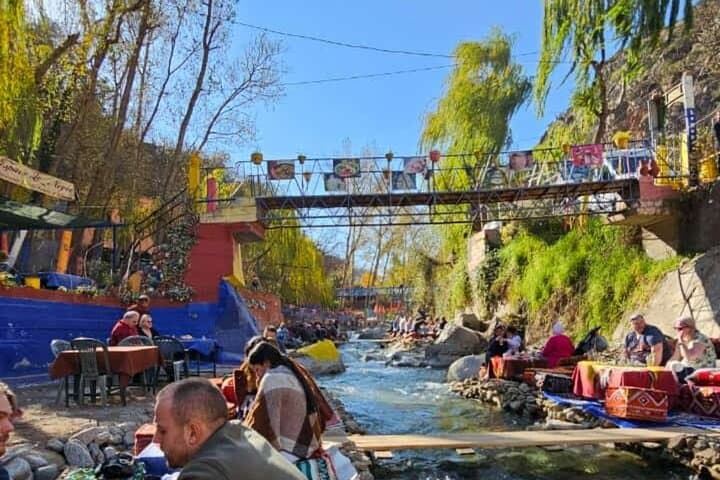
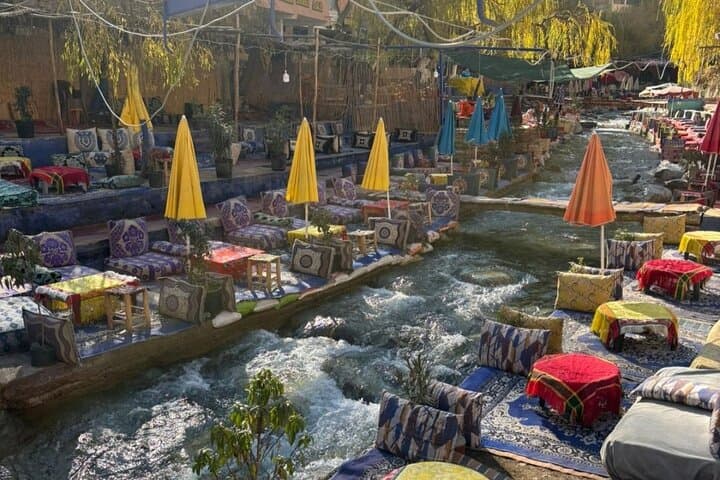
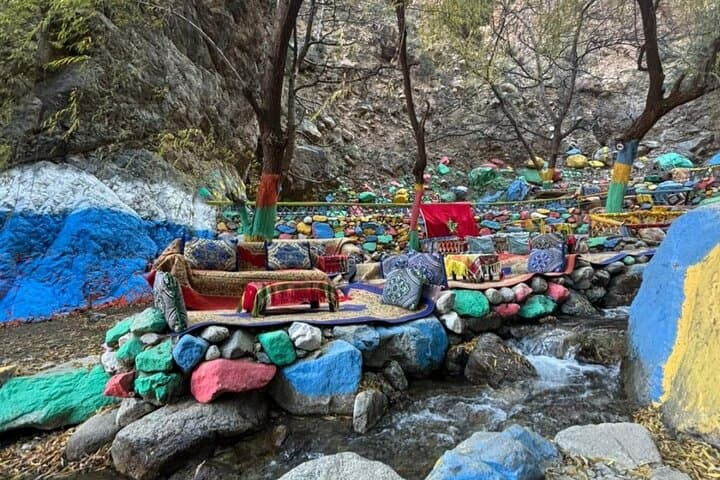
A cool mountain breeze meets the road out of Marrakech as the Atlas foothills loom ahead, and the Ourika River begins to call—its riffles daring you toward the valley. The approach is cinematic: terraced orchards give way to stone villages clinging to slopes, and the river threads the valley floor, pushing through shale and stone toward a series of stepped waterfalls.
A cool mountain breeze meets the road out of Marrakech as the Atlas foothills loom ahead, and the Ourika River begins to call—its riffles daring you toward the valley. The approach is cinematic: terraced orchards give way to stone villages clinging to slopes, and the river threads the valley floor, pushing through shale and stone toward a series of stepped waterfalls.
The Ourika Valley sits on the southern fringe of the High Atlas, carved by seasonal streams that cut through Pliocene-era rock and alluvial terraces. Berber (Amazigh) families have farmed here for centuries; the valley’s small villages preserve both language and craft, notably cooperative argan oil production that blends traditional pressing with new market access.
Visitors will recognize the practical side of the landscape—paved roadways close to villages, short footpaths to cascades, and agricultural plots that reveal irrigation techniques still in use. Cultural moments are frequent: a cooperative demonstration of argan pressing, local mint tea offered in a hillside home, and simple mountain recipes served at lunch.
Practical guidance: plan for a 6–7 hour outing with moderate walking on uneven trails; bring good footwear and at least 1.5 liters of water. Midday sun is strong—start early to beat heat and crowds. Respect private farm areas and ask before photographing people. Support local cooperatives and carry small bills for purchases.
This is a day designed for accessible outdoor immersion—short hikes, waterfall rewards, and hands-on cultural exchange—an efficient, tangible way to experience the Atlas without technical gear.