THE ADVENTURE COLLECTIVE® · Independent discovery and booking for outdoor travel

A full-day trip from Marrakech into the High Atlas that pairs a moderate hike to Setti Fatma waterfalls with visits to argan cooperatives and Berber villages. Expect terraced orchards, riverside lunch options, and a vivid introduction to Amazigh culture.
A full-day trip from Marrakech into the High Atlas that pairs a moderate hike to Setti Fatma waterfalls with visits to argan cooperatives and Berber villages. Expect terraced orchards, riverside lunch options, and a vivid introduction to Amazigh culture.
You step out of the car and the air changes—cooler, salt-tinged from mountain streams, threaded with wood smoke and mint. The road from Marrakech slips through olive terraces and low Berber villages until the valley opens: a cleft of walnut trees, cherry groves and the tight stone houses of Setti Fatma. The sound of water pulls you toward a cluster of cascades where locals picnic on flat rocks and children dare the current.
Verified experiences and guided adventures in the surrounding area.
Operated by Amlal Gl Tours · Setti Fatma, Marrakech-Safi
You step out of the car and the air changes—cooler, salt-tinged from mountain streams, threaded with wood smoke and mint. The road from Marrakech slips through olive terraces and low Berber villages until the valley opens: a cleft of walnut trees, cherry groves and the tight stone houses of Setti Fatma. The sound of water pulls you toward a cluster of cascades where locals picnic on flat rocks and children dare the current.
This is Amazigh country. The Ourika Valley has long been inhabited by Berber communities who shaped the steep hills into terraced fields and built village life around seasonal orchards and artisan trades—argan presses, pottery and carpets. Geologically the valley is a foothill incision of the High Atlas, carved by runoff from higher peaks; stones here tell of quick floods and slow human adaptation. Culture shows in simple hospitality: mint tea, cooperative-run argan stations, and guides who know every footpath.
Practically, expect a moderate, well-marked hike to the Setti Fatma waterfalls—rocky trails, short steep pitches and river crossings that demand sure footing. There’s free time at the river and a choice of riverside restaurants (lunch not always included). Pack layered clothing, sturdy shoes, sun protection and water; mornings are best for fewer people and cooler temps. Respect private terraces, support local co-ops when buying crafts, and keep waste out of the river. The valley rewards steady hikers and curious travelers alike with accessible mountain scenery and a direct window into Atlas life.
moderate.
5–6 hours.
Moderate — able to manage several short steep sections and uneven terrain for a few hours
The moderate hike from the village to the main cascades typically takes 1–2 hours round trip depending on pace and stops.
Lunch is usually available at a riverside restaurant but is not always included—check your booking details and budget for a meal.
Yes—small shops and cooperatives commonly accept cash (Moroccan dirham); ATMs are in Marrakech but limited in the valley.
The trail has uneven sections and river crossings; families with older kids can manage it, but mobility limitations may make parts difficult.
Amazigh (Berber) communities have farmed and traded in the Ourika Valley for centuries, shaping terraces and local crafts like argan oil production and weaving.
Visitor pressure and litter can strain river habitats—support local cooperatives, avoid single-use plastics, and stick to established paths to limit erosion.
Amlal Gl Tours operates guided outdoor trips and adventures with an emphasis on safety, stewardship, and memorable experiences.
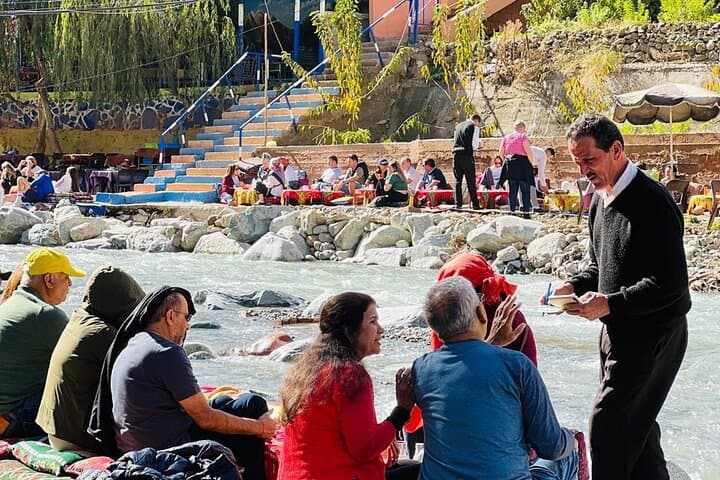
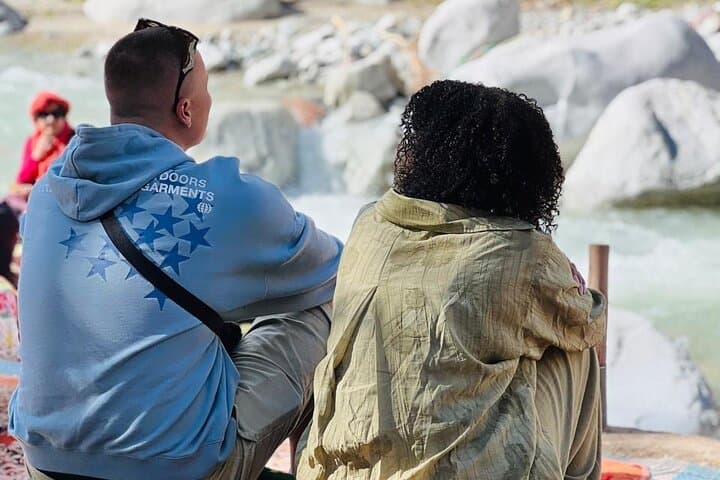
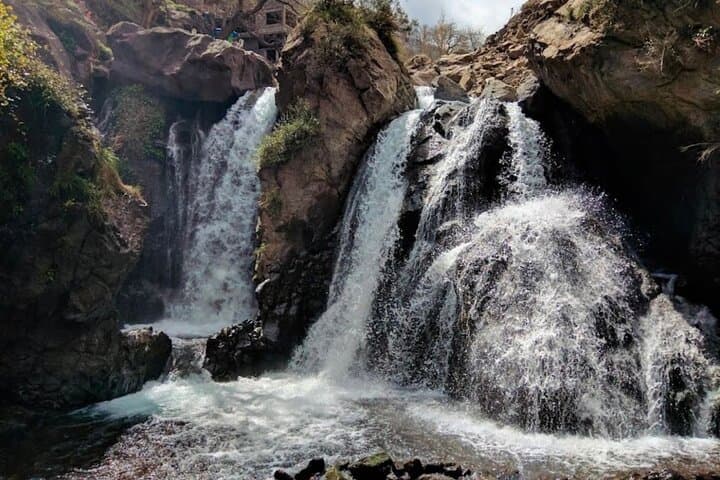
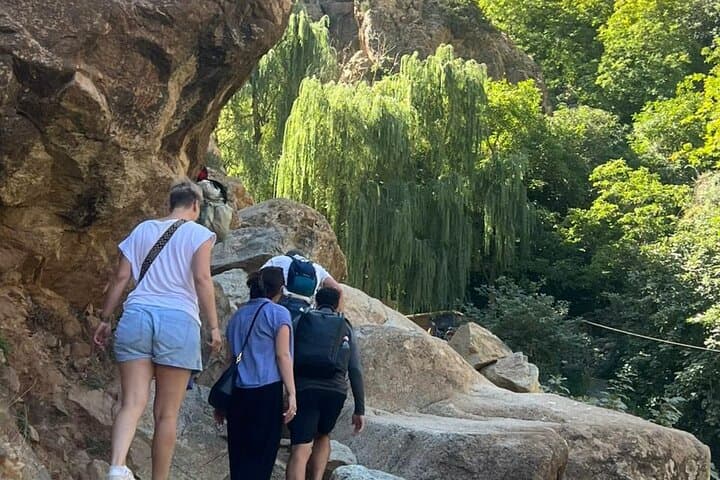
You step out of the car and the air changes—cooler, salt-tinged from mountain streams, threaded with wood smoke and mint. The road from Marrakech slips through olive terraces and low Berber villages until the valley opens: a cleft of walnut trees, cherry groves and the tight stone houses of Setti Fatma. The sound of water pulls you toward a cluster of cascades where locals picnic on flat rocks and children dare the current.
You step out of the car and the air changes—cooler, salt-tinged from mountain streams, threaded with wood smoke and mint. The road from Marrakech slips through olive terraces and low Berber villages until the valley opens: a cleft of walnut trees, cherry groves and the tight stone houses of Setti Fatma. The sound of water pulls you toward a cluster of cascades where locals picnic on flat rocks and children dare the current.
This is Amazigh country. The Ourika Valley has long been inhabited by Berber communities who shaped the steep hills into terraced fields and built village life around seasonal orchards and artisan trades—argan presses, pottery and carpets. Geologically the valley is a foothill incision of the High Atlas, carved by runoff from higher peaks; stones here tell of quick floods and slow human adaptation. Culture shows in simple hospitality: mint tea, cooperative-run argan stations, and guides who know every footpath.
Practically, expect a moderate, well-marked hike to the Setti Fatma waterfalls—rocky trails, short steep pitches and river crossings that demand sure footing. There’s free time at the river and a choice of riverside restaurants (lunch not always included). Pack layered clothing, sturdy shoes, sun protection and water; mornings are best for fewer people and cooler temps. Respect private terraces, support local co-ops when buying crafts, and keep waste out of the river. The valley rewards steady hikers and curious travelers alike with accessible mountain scenery and a direct window into Atlas life.