THE ADVENTURE COLLECTIVE® · Independent discovery and booking for outdoor travel

Escape Marrakech for a day into the Ourika Valley to follow mule tracks up to Setti Fatma’s waterfalls, explore Berber villages, and learn how local farming and water shape the High Atlas landscape.
Escape Marrakech for a day into the Ourika Valley to follow mule tracks up to Setti Fatma’s waterfalls, explore Berber villages, and learn how local farming and water shape the High Atlas landscape.
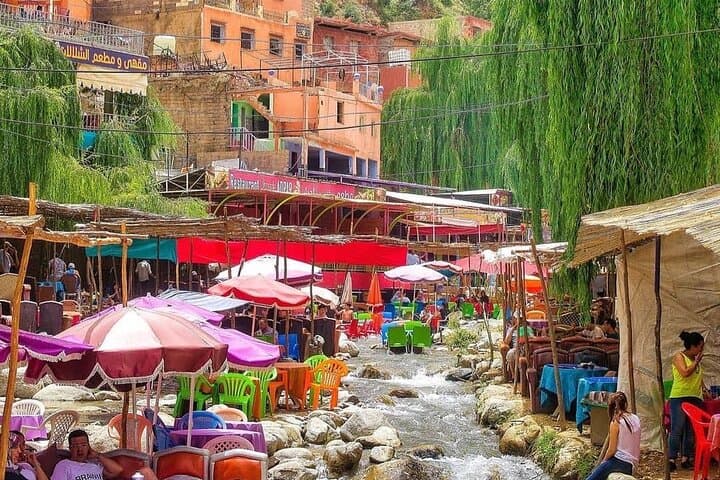
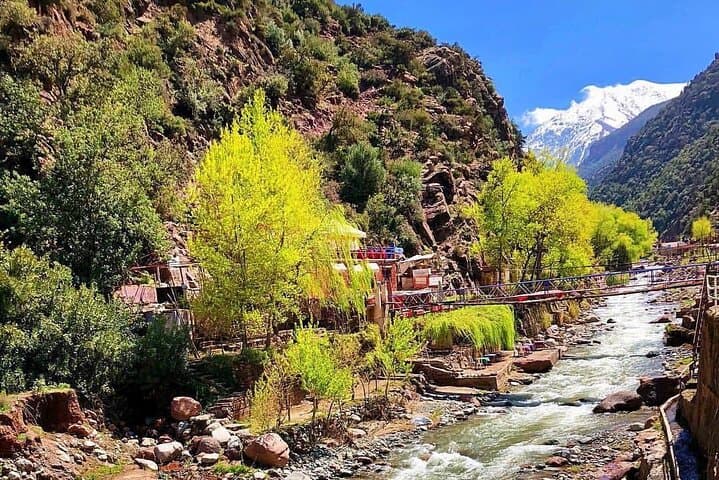
The morning light slips off the High Atlas and the road out of Marrakech carves through orange groves—your driver eases up as the valley opens and the Ourika River begins to speak. Trails thread from the Berber village of Setti Fatma into terraces and granite gullies; the air has the clean, mineral edge of mountain water and thyme.
Verified experiences and guided adventures in the surrounding area.
Operated by Marrakech Group Tour - Shared Desert Trips · Setti Fatma, Marrakech-Safi
The morning light slips off the High Atlas and the road out of Marrakech carves through orange groves—your driver eases up as the valley opens and the Ourika River begins to speak. Trails thread from the Berber village of Setti Fatma into terraces and granite gullies; the air has the clean, mineral edge of mountain water and thyme.
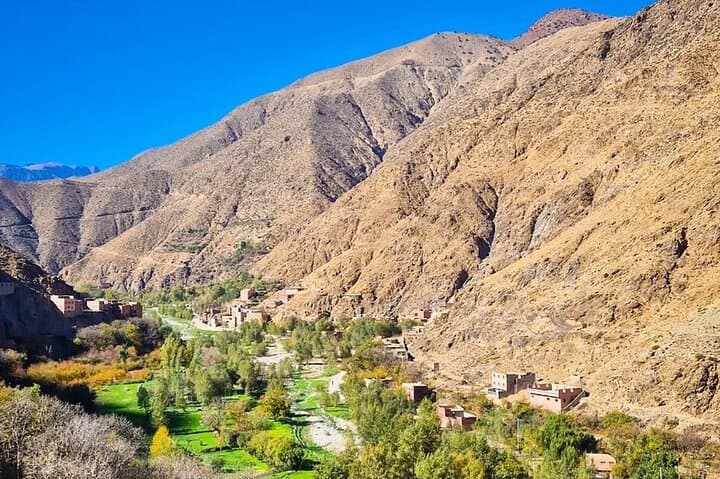
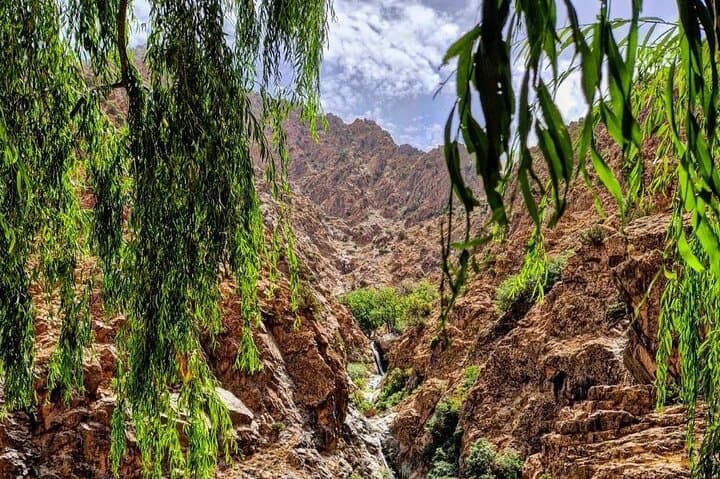
This valley has long been shaped by Berber farming and seasonal streams that cut into uplifted Precambrian rock. Villages here retain traditional clay-and-stone architecture, and Setti Fatma functions as the trailhead for a short network of paths that climb past terraced plots to a series of small waterfalls. The landscape is a practical lesson in hydrology and human adaptation—simple irrigation channels, mule tracks and orchards clinging to the slopes.
On the walk to the main cascades expect uneven stone steps, narrow footpaths and the possibility of spring runoff or slick surfaces after rain; the waterfalls reward a modest climb of roughly 30–60 minutes depending on pace. Local guides often point out medicinal herbs and explain seasonal harvest cycles while discouraging feeding wildlife.
Practical: wear grippy shoes, carry at least one liter of water, and plan for a full day (roughly eight hours including travel time from Marrakech). Midday is busiest at the falls—start earlier for quieter trails and stronger light for photography. Respect private terraces, ask before entering homes, and follow your guide’s route to minimize erosion and protect the macaques that call these slopes home.
easy.
8 hours.
Suitable for travelers in basic walking condition; you should be comfortable with uneven paths and short uphill sections.
The main route from the village to the principal cascades typically takes 30–60 minutes each way depending on pace and stops for photos.
Yes—guides describe the activity as suitable for all fitness levels, though some sections have uneven steps and require careful footing.
Barbary macaques live in the High Atlas and may be seen in the valley, but sightings are not guaranteed and you should not feed or approach them.
Typical inclusions are round-trip transport from Marrakech in an air-conditioned vehicle, a guide, and lunch at a local kasbah or riverside restaurant; confirm specifics when booking.
The Ourika Valley has long been occupied by Berber communities who developed terraced agriculture and irrigation that still shapes land use; Setti Fatma grew as a local waypoint for shepherds and farmers.
Tourism pressures and informal trails can accelerate erosion; stick to marked paths, avoid feeding wildlife, and support local cooperatives to keep economic benefits in the valley.
Marrakech Group Tour - Shared Desert Trips operates guided outdoor trips and adventures with an emphasis on safety, stewardship, and memorable experiences.
The morning light slips off the High Atlas and the road out of Marrakech carves through orange groves—your driver eases up as the valley opens and the Ourika River begins to speak. Trails thread from the Berber village of Setti Fatma into terraces and granite gullies; the air has the clean, mineral edge of mountain water and thyme.
The morning light slips off the High Atlas and the road out of Marrakech carves through orange groves—your driver eases up as the valley opens and the Ourika River begins to speak. Trails thread from the Berber village of Setti Fatma into terraces and granite gullies; the air has the clean, mineral edge of mountain water and thyme.
This valley has long been shaped by Berber farming and seasonal streams that cut into uplifted Precambrian rock. Villages here retain traditional clay-and-stone architecture, and Setti Fatma functions as the trailhead for a short network of paths that climb past terraced plots to a series of small waterfalls. The landscape is a practical lesson in hydrology and human adaptation—simple irrigation channels, mule tracks and orchards clinging to the slopes.
On the walk to the main cascades expect uneven stone steps, narrow footpaths and the possibility of spring runoff or slick surfaces after rain; the waterfalls reward a modest climb of roughly 30–60 minutes depending on pace. Local guides often point out medicinal herbs and explain seasonal harvest cycles while discouraging feeding wildlife.
Practical: wear grippy shoes, carry at least one liter of water, and plan for a full day (roughly eight hours including travel time from Marrakech). Midday is busiest at the falls—start earlier for quieter trails and stronger light for photography. Respect private terraces, ask before entering homes, and follow your guide’s route to minimize erosion and protect the macaques that call these slopes home.