THE ADVENTURE COLLECTIVE® · Independent discovery and booking for outdoor travel

Escape Marrakech for a day in the Ourika Valley: a guided hike to the Setti Fatma waterfalls, visits to Argan cooperatives, and riverside lunch options. This compact mountain outing blends easy hiking with authentic Berber culture.
Escape Marrakech for a day in the Ourika Valley: a guided hike to the Setti Fatma waterfalls, visits to Argan cooperatives, and riverside lunch options. This compact mountain outing blends easy hiking with authentic Berber culture.
You descend from the ochre heat of Marrakech into a green spine of river and terraces — the Ourika Valley unfurls as olive groves give way to walnut trees and stepped fields. Within an hour the city noise thins and a mountain air, sharper and cooler, pushes at your sleeves as you arrive in Setti Fatma ready for a guided hike to the waterfalls.
Verified experiences and guided adventures in the surrounding area.
Operated by astara tours · Setti Fatma, Marrakesh-Safi
You descend from the ochre heat of Marrakech into a green spine of river and terraces — the Ourika Valley unfurls as olive groves give way to walnut trees and stepped fields. Within an hour the city noise thins and a mountain air, sharper and cooler, pushes at your sleeves as you arrive in Setti Fatma ready for a guided hike to the waterfalls.
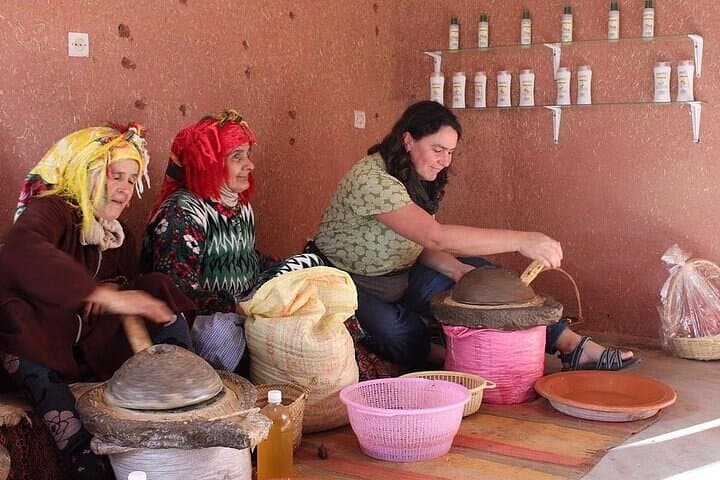
The valley has long been home to Amazigh (Berber) communities who carved terraces into the slopes and built homes of local stone and mud. Geologically, the High Atlas here is young and fractured: streams cut deep gorges, producing the cascades that feed the Ourika River. On the way you’ll pass an Argan oil cooperative run by local women and small craft workshops where pottery and woven goods are still made to sell to passing travelers.
The trail to the main falls is moderately easy — expect roughly 4 km round-trip with about 200–350 m of ascent on uneven, rocky paths and stone steps. Parts are exposed; others run along the river with small pools and shaded tea stops. Guides point out seasonal wildflowers, irrigation terraces and quieter upper cascades if you opt to continue past the main viewpoint.
Practical guidance: wear sturdy shoes with grip, bring 1–2 liters of water, sun protection and a warm layer for cooler months. Plan to arrive mid-morning to avoid the busiest shuttle traffic and carry small cash for tea, tips and local crafts. Respect private terraces and ask before photographing people — Berber hospitality is direct and generous when treated with courtesy.
moderate.
6–7 hours.
Moderately fit — comfortable walking for 2–3 hours with short steep sections and uneven terrain.
The guided walk is typically 1–2 hours one way depending on stops; expect about 4 km round-trip with 200–350 m of elevation change overall.
Lunch is not included — most itineraries allow free time to eat at a riverside restaurant in Setti Fatma where cash is accepted.
Yes — the tour offers both private and shared hike options; private hikes give a more personalized pace and route choices.
Tours may be canceled in poor weather due to slippery trails; operators usually offer a full refund if conditions make hiking unsafe.
The Ourika Valley has been inhabited by Amazigh (Berber) communities for centuries; terraced agriculture and local cooperatives reflect a long tradition of mountain farming and craftmaking.
Tourism helps local incomes but creates pressure on water and trails — stick to marked paths, avoid leaving waste, and support women-run cooperatives responsibly.
astara tours operates guided outdoor trips and adventures with an emphasis on safety, stewardship, and memorable experiences.
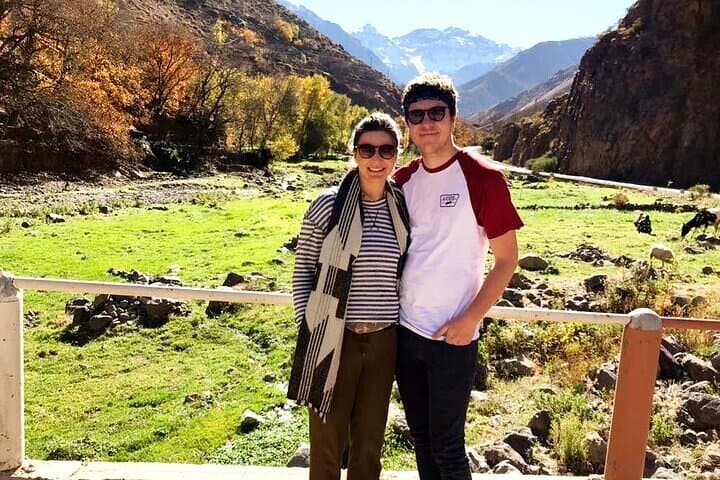


You descend from the ochre heat of Marrakech into a green spine of river and terraces — the Ourika Valley unfurls as olive groves give way to walnut trees and stepped fields. Within an hour the city noise thins and a mountain air, sharper and cooler, pushes at your sleeves as you arrive in Setti Fatma ready for a guided hike to the waterfalls.
You descend from the ochre heat of Marrakech into a green spine of river and terraces — the Ourika Valley unfurls as olive groves give way to walnut trees and stepped fields. Within an hour the city noise thins and a mountain air, sharper and cooler, pushes at your sleeves as you arrive in Setti Fatma ready for a guided hike to the waterfalls.
The valley has long been home to Amazigh (Berber) communities who carved terraces into the slopes and built homes of local stone and mud. Geologically, the High Atlas here is young and fractured: streams cut deep gorges, producing the cascades that feed the Ourika River. On the way you’ll pass an Argan oil cooperative run by local women and small craft workshops where pottery and woven goods are still made to sell to passing travelers.
The trail to the main falls is moderately easy — expect roughly 4 km round-trip with about 200–350 m of ascent on uneven, rocky paths and stone steps. Parts are exposed; others run along the river with small pools and shaded tea stops. Guides point out seasonal wildflowers, irrigation terraces and quieter upper cascades if you opt to continue past the main viewpoint.
Practical guidance: wear sturdy shoes with grip, bring 1–2 liters of water, sun protection and a warm layer for cooler months. Plan to arrive mid-morning to avoid the busiest shuttle traffic and carry small cash for tea, tips and local crafts. Respect private terraces and ask before photographing people — Berber hospitality is direct and generous when treated with courtesy.