THE ADVENTURE COLLECTIVE® · Independent discovery and booking for outdoor travel

Spend a day escaping Marrakech to the Ourika Valley and Setti Fatma waterfalls: short mountain walks, Berber village visits, and an argan cooperative, all within roughly an hour from the city.
Spend a day escaping Marrakech to the Ourika Valley and Setti Fatma waterfalls: short mountain walks, Berber village visits, and an argan cooperative, all within roughly an hour from the city.
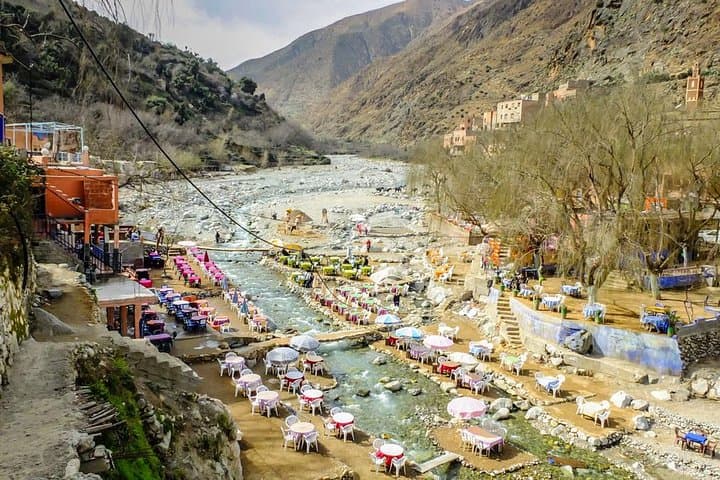
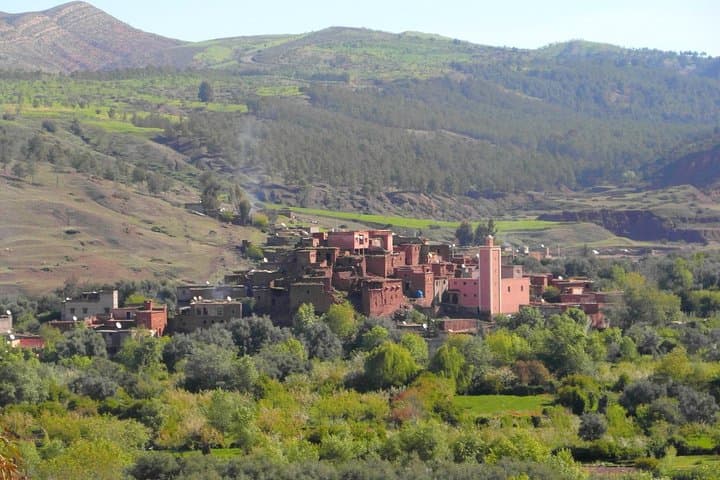
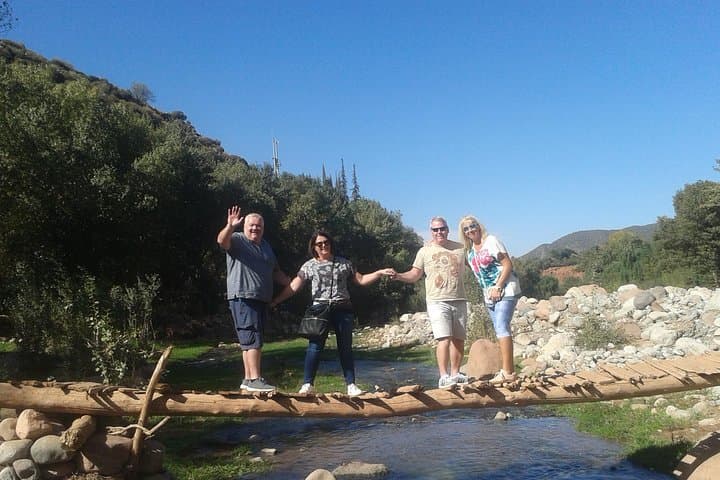
You leave the ochre walls of Marrakech and the road climbs; olive and argan trees lean into the heat while the High Atlas rises, raw and folded, ahead. Within an hour the air sharpens. In the Ourika Valley the minivan drops you at a small bridge and the trail pushes into terraces, stone houses, and the scent of thyme. Walkers move at different paces—locals carrying baskets, families photographing the river, guides pointing out terraced gardens.
Verified experiences and guided adventures in the surrounding area.
Operated by Malakane travel · Setti Fatma, Marrakech-Safi
You leave the ochre walls of Marrakech and the road climbs; olive and argan trees lean into the heat while the High Atlas rises, raw and folded, ahead. Within an hour the air sharpens. In the Ourika Valley the minivan drops you at a small bridge and the trail pushes into terraces, stone houses, and the scent of thyme. Walkers move at different paces—locals carrying baskets, families photographing the river, guides pointing out terraced gardens.
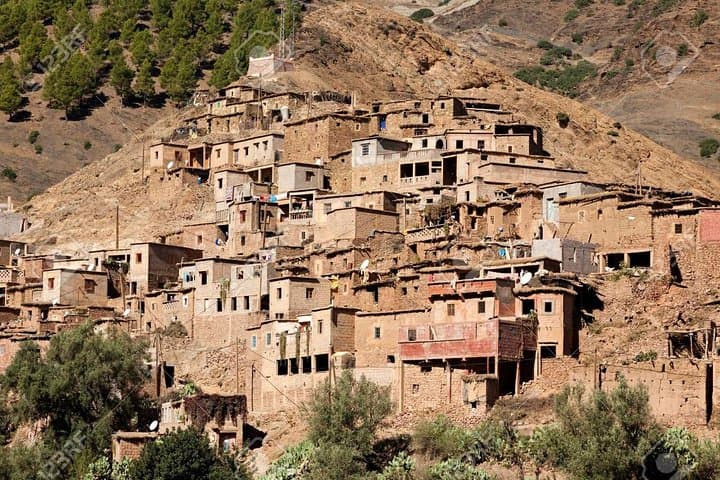
Geology here is visible: layered schists and limestone carved by winter torrents into steep gullies and stepped slopes. The valley has long been home to Amazigh (Berber) communities; their villages, mountain farming, and seasonal markets shape daily life. Setti Fatma’s waterfalls—a series of cascades reachable by a steady path—are fed by snowmelt and spring rains, and a cooperative nearby demonstrates argan oil production, a centuries-old local craft.
Practically, expect a mix of dirt trails and rocky steps: the most common waterfall walk is roughly 1.5–3 km round-trip with 150–300 m of climbing depending on how high you go. Wear grippy shoes, carry 1–2 liters of water, and bring sun protection. Timing matters—mornings are cooler and crowds thinner; late afternoons bring softer light but fewer running cascades in dry months. Guides handle parking, local introductions, and can arrange shorter or longer walks depending on your group. Respect private terraces, tip guides and drivers, and support local cooperatives—small choices that make visits sustainable and meaningful.
easy.
6 hours.
Suitable for casual fitness—able to walk on uneven terrain for up to 2 hours total
Typical transfer time is about 45–70 minutes each way depending on traffic and your pickup point in Marrakech.
No—most visitors do short, moderate walks of 1.5–3 km round-trip; uneven ground and steps mean decent footwear is recommended.
Yes—children can join but should be supervised on slippery sections; infant seats are often available for the vehicle.
Yes—tours usually visit cooperatives where you can observe traditional argan processing and purchase products directly from local women’s groups.
The Ourika Valley has long been inhabited by Amazigh (Berber) communities whose mountain agriculture and seasonal markets shaped the local economy; argan processing is a traditional craft tied to women’s cooperatives.
The valley faces pressure from visitor numbers and water scarcity; stick to established paths, avoid single-use plastics, and buy from certified cooperatives to support sustainable incomes.
Malakane travel operates guided outdoor trips and adventures with an emphasis on safety, stewardship, and memorable experiences.
You leave the ochre walls of Marrakech and the road climbs; olive and argan trees lean into the heat while the High Atlas rises, raw and folded, ahead. Within an hour the air sharpens. In the Ourika Valley the minivan drops you at a small bridge and the trail pushes into terraces, stone houses, and the scent of thyme. Walkers move at different paces—locals carrying baskets, families photographing the river, guides pointing out terraced gardens.
You leave the ochre walls of Marrakech and the road climbs; olive and argan trees lean into the heat while the High Atlas rises, raw and folded, ahead. Within an hour the air sharpens. In the Ourika Valley the minivan drops you at a small bridge and the trail pushes into terraces, stone houses, and the scent of thyme. Walkers move at different paces—locals carrying baskets, families photographing the river, guides pointing out terraced gardens.
Geology here is visible: layered schists and limestone carved by winter torrents into steep gullies and stepped slopes. The valley has long been home to Amazigh (Berber) communities; their villages, mountain farming, and seasonal markets shape daily life. Setti Fatma’s waterfalls—a series of cascades reachable by a steady path—are fed by snowmelt and spring rains, and a cooperative nearby demonstrates argan oil production, a centuries-old local craft.
Practically, expect a mix of dirt trails and rocky steps: the most common waterfall walk is roughly 1.5–3 km round-trip with 150–300 m of climbing depending on how high you go. Wear grippy shoes, carry 1–2 liters of water, and bring sun protection. Timing matters—mornings are cooler and crowds thinner; late afternoons bring softer light but fewer running cascades in dry months. Guides handle parking, local introductions, and can arrange shorter or longer walks depending on your group. Respect private terraces, tip guides and drivers, and support local cooperatives—small choices that make visits sustainable and meaningful.