THE ADVENTURE COLLECTIVE® · Independent discovery and booking for outdoor travel

Escape Marrakech for a day into the Ourika Valley to visit a women’s argan cooperative, a traditional Berber house and a 1.5-hour hike to the Setti Fadma waterfalls. This accessible day trip blends culture, easy mountain walking and riverside lunches.
Escape Marrakech for a day into the Ourika Valley to visit a women’s argan cooperative, a traditional Berber house and a 1.5-hour hike to the Setti Fadma waterfalls. This accessible day trip blends culture, easy mountain walking and riverside lunches.
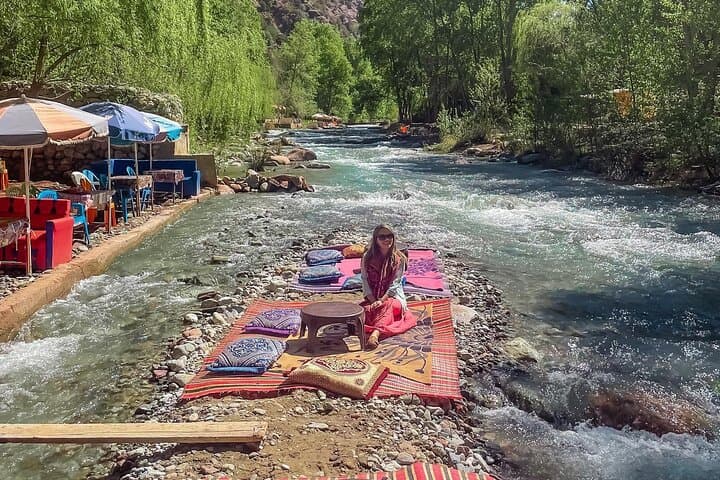
The road leaves Marrakech behind and the city’s dust gives way to terraced fields and stony ridgelines. By mid-morning the Ourika River begins to thread the valley, its current daring you to step closer to the banks where lemon trees and olive groves shade dirt tracks. Small Berber villages cling to lower slopes; women braid argan kernels nearby as the mountains frame the scene.
Verified experiences and guided adventures in the surrounding area.
Operated by The craftsman of your trip · Marrakech, Marrakech-Safi
The road leaves Marrakech behind and the city’s dust gives way to terraced fields and stony ridgelines. By mid-morning the Ourika River begins to thread the valley, its current daring you to step closer to the banks where lemon trees and olive groves shade dirt tracks. Small Berber villages cling to lower slopes; women braid argan kernels nearby as the mountains frame the scene.
The Ourika Valley has long been a seasonal grazing and farming corridor for Amazigh (Berber) communities. Geologically the valley is carved from folded sedimentary rock and red-brown schist typical of the southern High Atlas, which channels clear mountain streams into stepped cascades at Setti Fadma.
Culturally, the day blends living tradition and practical crafts: a visit to a women’s argan cooperative reveals artisanal oil extraction, while a tour of a Berber house demonstrates river-powered mills and communal life sustained by the valley’s microclimate.
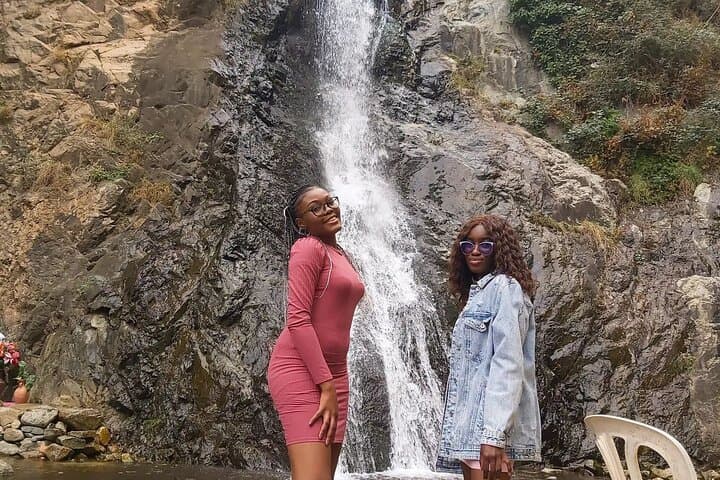
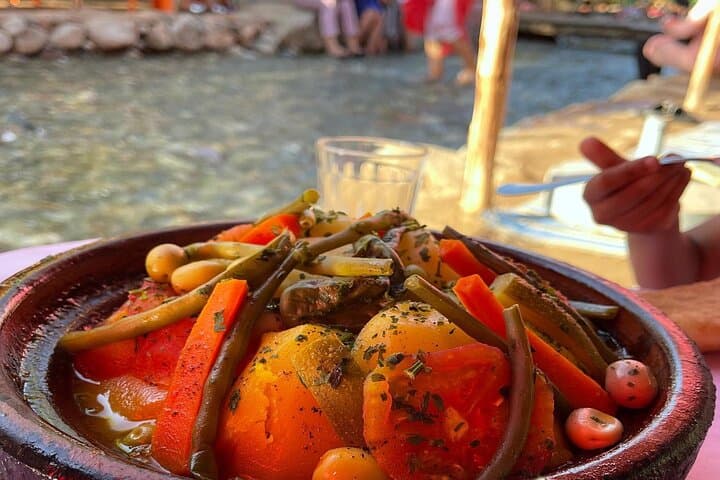
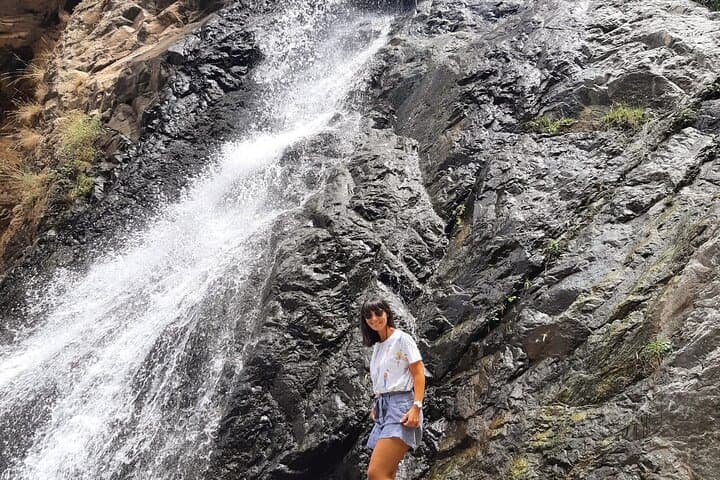
Expect a guided hike of roughly 1.5 hours to reach viewpoints and several waterfalls — about 4 km round-trip with an elevation gain near 250–350 m on uneven, rocky trails with occasional river crossings. Lunch options by the river let you rest and sample local tagines.
Practical side: bring sturdy shoes, at least 1.5 liters of water, sun protection, and layered clothing for rapid temperature changes. The trip runs 7–8 hours including transport from Marrakech; pick-up and drop-off are usually included. Aim for morning departures to avoid heat on summer trails and to catch clearer mountain views.
moderate.
7–8 hours.
Suitable for travelers who can walk 1.5 hours on uneven terrain and handle short elevation gains; not technically demanding but requires basic stamina.
The guided hike is about 1.5 hours one-way with stops for views; expect roughly 4 km round-trip and 250–350 m cumulative elevation gain.
Yes—many sections are easy, but families should be prepared for uneven terrain and river crossings; infant seats and stroller notes suggest transport accommodates young children but the hike itself is not stroller-friendly.
Local guides commonly speak English, French and Arabic; confirm languages at booking if you need a specific translator.
Yes; visiting supports the cooperative but buying products is optional. Tour operators usually encourage fair trade practices and transparent pricing.
The Ourika Valley has been inhabited by Amazigh (Berber) communities for centuries; traditional water mills and terraced agriculture reflect long-term mountain adaptation.
Supporting women’s argan cooperatives helps local economies and preserves traditional harvesting; visitors should stick to trails and avoid disturbing riverbanks to reduce erosion.
The craftsman of your trip operates guided outdoor trips and adventures with an emphasis on safety, stewardship, and memorable experiences.
The road leaves Marrakech behind and the city’s dust gives way to terraced fields and stony ridgelines. By mid-morning the Ourika River begins to thread the valley, its current daring you to step closer to the banks where lemon trees and olive groves shade dirt tracks. Small Berber villages cling to lower slopes; women braid argan kernels nearby as the mountains frame the scene.
The road leaves Marrakech behind and the city’s dust gives way to terraced fields and stony ridgelines. By mid-morning the Ourika River begins to thread the valley, its current daring you to step closer to the banks where lemon trees and olive groves shade dirt tracks. Small Berber villages cling to lower slopes; women braid argan kernels nearby as the mountains frame the scene.
The Ourika Valley has long been a seasonal grazing and farming corridor for Amazigh (Berber) communities. Geologically the valley is carved from folded sedimentary rock and red-brown schist typical of the southern High Atlas, which channels clear mountain streams into stepped cascades at Setti Fadma.
Culturally, the day blends living tradition and practical crafts: a visit to a women’s argan cooperative reveals artisanal oil extraction, while a tour of a Berber house demonstrates river-powered mills and communal life sustained by the valley’s microclimate.
Expect a guided hike of roughly 1.5 hours to reach viewpoints and several waterfalls — about 4 km round-trip with an elevation gain near 250–350 m on uneven, rocky trails with occasional river crossings. Lunch options by the river let you rest and sample local tagines.
Practical side: bring sturdy shoes, at least 1.5 liters of water, sun protection, and layered clothing for rapid temperature changes. The trip runs 7–8 hours including transport from Marrakech; pick-up and drop-off are usually included. Aim for morning departures to avoid heat on summer trails and to catch clearer mountain views.