THE ADVENTURE COLLECTIVE® · Independent discovery and booking for outdoor travel

Follow the Ourika River into the High Atlas for riverside cafés, argan cooperatives and stepped waterfalls at Setti Fadma. This private day trip from Marrakech mixes short mountain walks, Berber culture and easy, scenic drives.
Follow the Ourika River into the High Atlas for riverside cafés, argan cooperatives and stepped waterfalls at Setti Fadma. This private day trip from Marrakech mixes short mountain walks, Berber culture and easy, scenic drives.
You leave Marrakech behind as the city’s heat thins into open plains and the High Atlas rises like a folded map ahead. The Ourika River threads the valley—cool, insistent—pushing you toward walnut groves and the village houses of adobe and stone. By late morning the road narrows and Setti Fadma’s cascades appear: banded falls stepping down a rocky cleft with the mountains watching overhead.
Verified experiences and guided adventures in the surrounding area.
Operated by SARAHA MOROCCO TRIPS · Setti Fadma, Marrakech-Safi
You leave Marrakech behind as the city’s heat thins into open plains and the High Atlas rises like a folded map ahead. The Ourika River threads the valley—cool, insistent—pushing you toward walnut groves and the village houses of adobe and stone. By late morning the road narrows and Setti Fadma’s cascades appear: banded falls stepping down a rocky cleft with the mountains watching overhead.
The valley has long been shaped by Berber agriculture and seasonal migration; terraces and orchards tell a practical story of water management in a rugged landscape carved from volcanic and metamorphic rock. Local argan cooperatives and weekly souks at Tnine Ourika keep traditional livelihoods visible: women extract oil by hand and traders sell woven goods beneath plane trees.
On the day trip you can pair short guided hikes to several cascades with a visit to a Berber house and lunch at a riverside café. The terrain around Setti Fadma is steep and stony in places—expect slick rock near water and simple stepped trails rather than groomed paths.
Plan for early starts to avoid midafternoon heat, carry a full water bottle, and hire a local mountain guide if you intend to reach higher waterfalls beyond the first tiers. Wear sturdy shoes with grip; a light layer protects against mountain breezes. Respect private terraces, leave no trace, and consider small purchases at cooperatives to support local incomes. Return to Marrakech in the late afternoon with river sounds still in your ears.
moderate.
7–12 hours.
Suitable for people with basic fitness able to handle short uphill sections and uneven stone paths
The trip runs about 7–12 hours (roughly 9:00 AM departure with late-afternoon return to Marrakech).
The main cascades are reachable via short, uneven trails—moderate effort; steeper routes higher up require better footing and possibly a local guide.
Water is included in the tour inclusions; lunch at a riverside café is typically at your own expense, with options for different budgets.
A guide is not strictly required for the lower falls and village, but hiring a local guide is recommended for hikes to the higher cascades and for safety on steeper paths.
The Ourika Valley has been inhabited by Berber farming communities for centuries; its terraces and seasonal markets reflect long-standing mountain agricultural traditions.
Tourism here concentrates around fragile riverbanks—stick to trails, avoid disturbing orchards, and support local cooperatives to channel income back into the community.
SARAHA MOROCCO TRIPS operates guided outdoor trips and adventures with an emphasis on safety, stewardship, and memorable experiences.
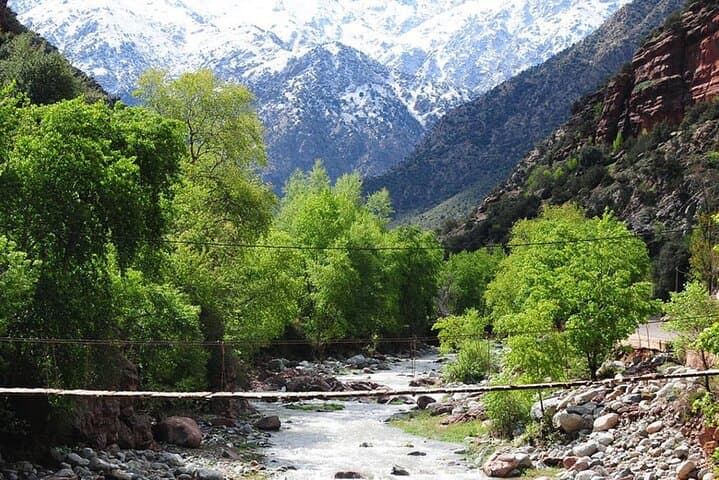
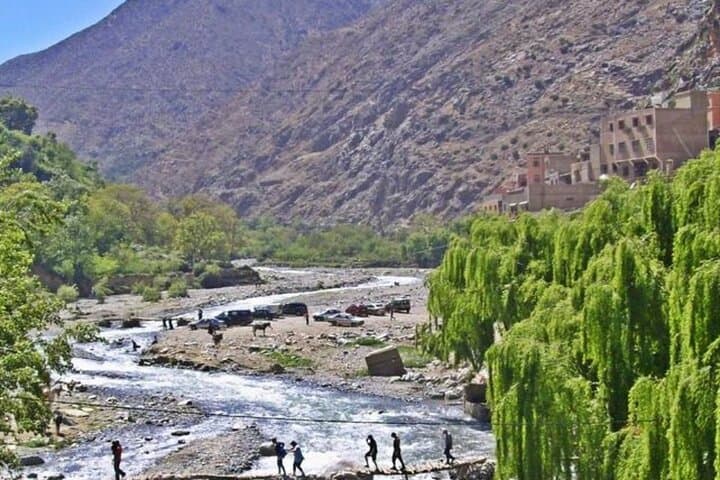
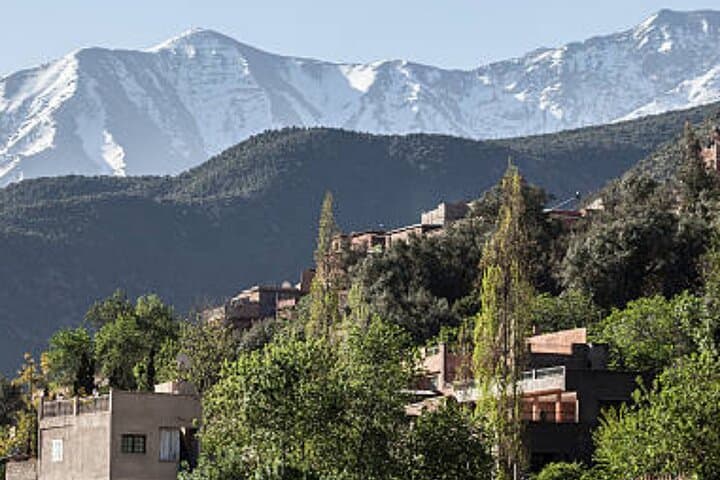
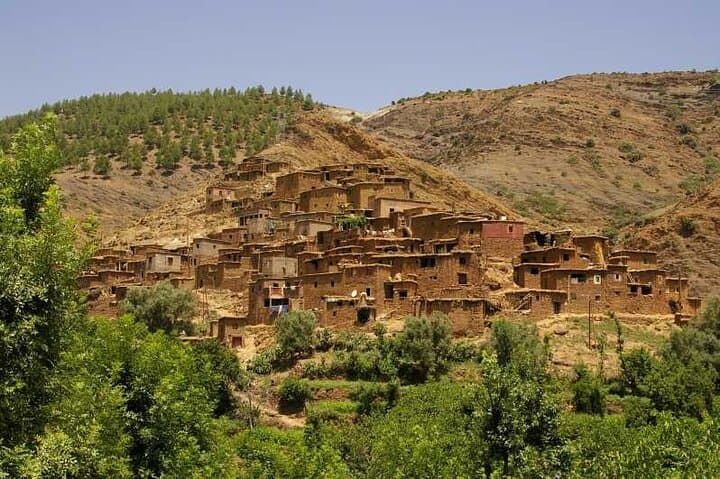
You leave Marrakech behind as the city’s heat thins into open plains and the High Atlas rises like a folded map ahead. The Ourika River threads the valley—cool, insistent—pushing you toward walnut groves and the village houses of adobe and stone. By late morning the road narrows and Setti Fadma’s cascades appear: banded falls stepping down a rocky cleft with the mountains watching overhead.
You leave Marrakech behind as the city’s heat thins into open plains and the High Atlas rises like a folded map ahead. The Ourika River threads the valley—cool, insistent—pushing you toward walnut groves and the village houses of adobe and stone. By late morning the road narrows and Setti Fadma’s cascades appear: banded falls stepping down a rocky cleft with the mountains watching overhead.
The valley has long been shaped by Berber agriculture and seasonal migration; terraces and orchards tell a practical story of water management in a rugged landscape carved from volcanic and metamorphic rock. Local argan cooperatives and weekly souks at Tnine Ourika keep traditional livelihoods visible: women extract oil by hand and traders sell woven goods beneath plane trees.
On the day trip you can pair short guided hikes to several cascades with a visit to a Berber house and lunch at a riverside café. The terrain around Setti Fadma is steep and stony in places—expect slick rock near water and simple stepped trails rather than groomed paths.
Plan for early starts to avoid midafternoon heat, carry a full water bottle, and hire a local mountain guide if you intend to reach higher waterfalls beyond the first tiers. Wear sturdy shoes with grip; a light layer protects against mountain breezes. Respect private terraces, leave no trace, and consider small purchases at cooperatives to support local incomes. Return to Marrakech in the late afternoon with river sounds still in your ears.