THE ADVENTURE COLLECTIVE® · Independent discovery and booking for outdoor travel

Follow a rushing mountain river from Marrakech into the Ourika Valley and climb to Setti Fatma’s cascading falls. This guided day trip combines a short mountain hike with visits to Berber homes and an argan cooperative for a compact dose of nature and culture.
Follow a rushing mountain river from Marrakech into the Ourika Valley and climb to Setti Fatma’s cascading falls. This guided day trip combines a short mountain hike with visits to Berber homes and an argan cooperative for a compact dose of nature and culture.
You round the last switchback and the valley opens: terraced fields step down toward a river that dares you to follow its riffled voice. The air is cooler here than Marrakech; limestone ridges frame pale red peaks and the guide points out a line of flat-roofed Berber houses clinging to the hillside.
Verified experiences and guided adventures in the surrounding area.
Operated by La Rosa Agafay · Setti Fatma, Marrakesh-Safi
You round the last switchback and the valley opens: terraced fields step down toward a river that dares you to follow its riffled voice. The air is cooler here than Marrakech; limestone ridges frame pale red peaks and the guide points out a line of flat-roofed Berber houses clinging to the hillside.
Geology and history are visible on the trail—ancient alluvial fans, fractured schist, and irrigation channels the local communities have managed for generations. Setti Fatma’s cascade system is a string of seven main falls fed by mountain snowmelt and seasonal streams; small pools collect below each drop and the sound of water pulls you uphill.
Culture is part of the route: visits to a women’s argan cooperative and a Berber home offer a practical window into daily life—mint tea, hand-milled argan, and crafts sold by producers rather than middlemen. The guide will translate and point out local farming practices that shape the valley’s terraces.
Expect a 3–6 km round-trip walk on uneven, sometimes-steep stone paths with roughly 200–350 m of cumulative ascent depending how high you go. Terrain alternates between shaded riverbanks, rocky switchbacks, and built stone steps. Wear sturdy shoes, bring 1–2 liters of water, and budget time for photo stops and social visits.
Timing matters: mornings and late afternoons are cooler and less crowded; after winter rains the falls are fullest but trails can be muddy. The trip pairs natural scenery with accessible cultural exchanges—an efficient day in the Atlas that balances a short mountain hike with meaningful local encounters.
moderate.
5–6 hours.
Good for travelers who can walk 3–6 km with some sustained uphill sections; basic cardiovascular fitness and steady footing required.
The guided walk from the village to the main cascades is generally 3–6 km round-trip and takes about 1–2 hours depending on pace and how many falls you visit.
Yes—routes are family-friendly but include uneven stone steps; small children should be supervised and those with mobility issues may find some sections challenging.
Guides typically speak English, French, and Arabic; tipping is discretionary but appreciated—small cash tips are customary for good service.
Mint tea at a Berber home or cooperative is usually included; argan products and handicrafts can be purchased on-site (cash preferred).
The Ourika Valley has long been a seasonal agricultural corridor for Berber communities; its terraced fields and irrigation systems date back centuries and reflect communal land stewardship.
The valley faces pressure from increasing day-tourism; support local cooperatives, stick to trails, and avoid single-use plastics to reduce impact.
La Rosa Agafay operates guided outdoor trips and adventures with an emphasis on safety, stewardship, and memorable experiences.
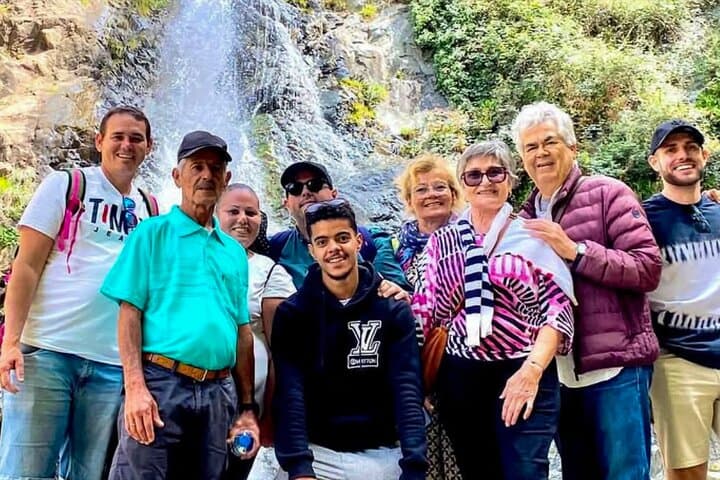


You round the last switchback and the valley opens: terraced fields step down toward a river that dares you to follow its riffled voice. The air is cooler here than Marrakech; limestone ridges frame pale red peaks and the guide points out a line of flat-roofed Berber houses clinging to the hillside.
You round the last switchback and the valley opens: terraced fields step down toward a river that dares you to follow its riffled voice. The air is cooler here than Marrakech; limestone ridges frame pale red peaks and the guide points out a line of flat-roofed Berber houses clinging to the hillside.
Geology and history are visible on the trail—ancient alluvial fans, fractured schist, and irrigation channels the local communities have managed for generations. Setti Fatma’s cascade system is a string of seven main falls fed by mountain snowmelt and seasonal streams; small pools collect below each drop and the sound of water pulls you uphill.
Culture is part of the route: visits to a women’s argan cooperative and a Berber home offer a practical window into daily life—mint tea, hand-milled argan, and crafts sold by producers rather than middlemen. The guide will translate and point out local farming practices that shape the valley’s terraces.
Expect a 3–6 km round-trip walk on uneven, sometimes-steep stone paths with roughly 200–350 m of cumulative ascent depending how high you go. Terrain alternates between shaded riverbanks, rocky switchbacks, and built stone steps. Wear sturdy shoes, bring 1–2 liters of water, and budget time for photo stops and social visits.
Timing matters: mornings and late afternoons are cooler and less crowded; after winter rains the falls are fullest but trails can be muddy. The trip pairs natural scenery with accessible cultural exchanges—an efficient day in the Atlas that balances a short mountain hike with meaningful local encounters.