THE ADVENTURE COLLECTIVE® · Independent discovery and booking for outdoor travel

Escape Marrakech for a full-day drive into the High Atlas to visit Berber villages, sample local herbal remedies and hike to the Setti Fatma waterfalls. This practical day tour mixes cultural stops with easy mountain walking and riverside lunch options.
Escape Marrakech for a full-day drive into the High Atlas to visit Berber villages, sample local herbal remedies and hike to the Setti Fatma waterfalls. This practical day tour mixes cultural stops with easy mountain walking and riverside lunch options.
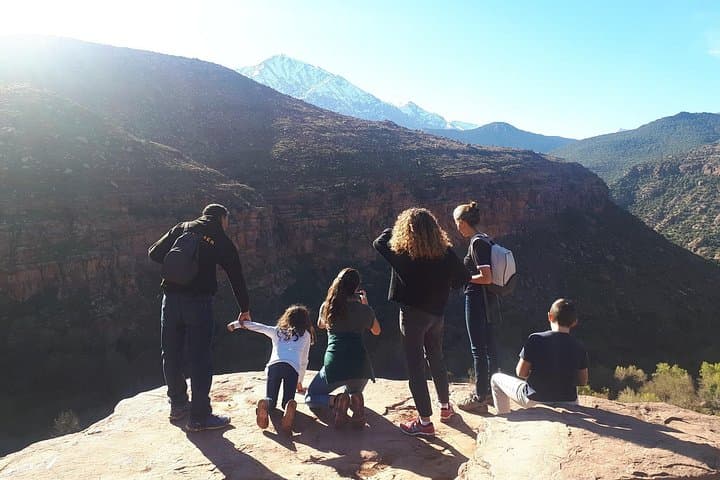
A bus eases out of Marrakech at first light and the city’s tile roofs slide behind you as the road climbs into the High Atlas. Olive groves and orchards press close to the vehicle; the Ourika River threads the valley and seems to dare you to follow its course. By midmorning the bus stops at a simple village where the guide points toward terraced fields and a cluster of low stone houses — an opening scene to a day of mountain air and running water.
Verified experiences and guided adventures in the surrounding area.
Operated by Moroccan Desert Tourism · Marrakech, Marrakech-Safi
A bus eases out of Marrakech at first light and the city’s tile roofs slide behind you as the road climbs into the High Atlas. Olive groves and orchards press close to the vehicle; the Ourika River threads the valley and seems to dare you to follow its course. By midmorning the bus stops at a simple village where the guide points toward terraced fields and a cluster of low stone houses — an opening scene to a day of mountain air and running water.
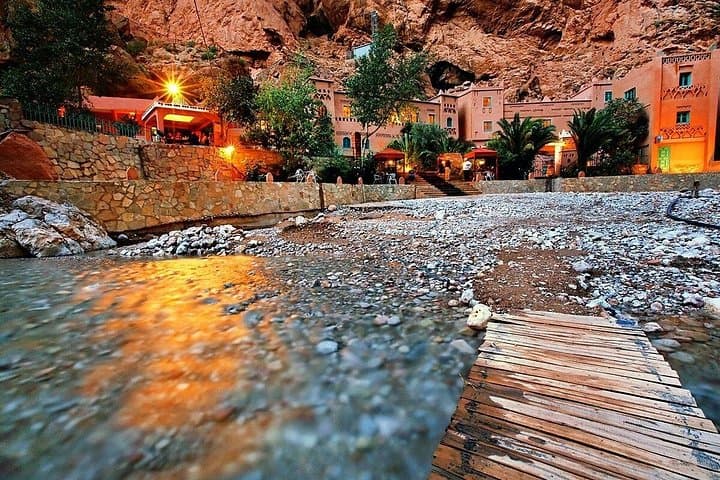
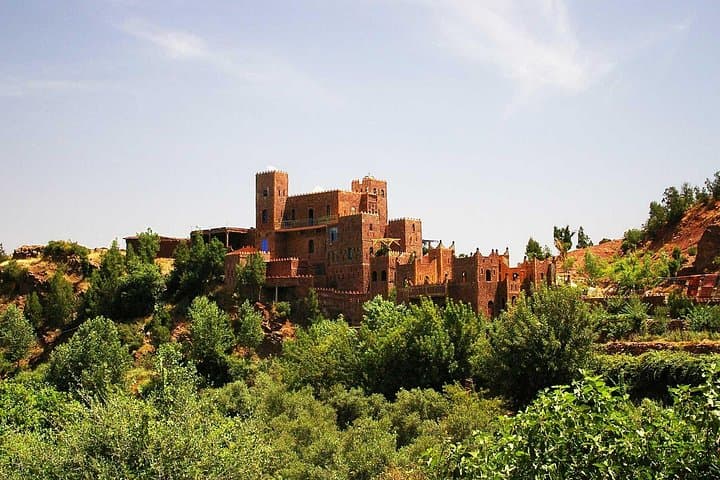
The Ourika Valley has been occupied by Berber communities for centuries; its villages and markets reflect a living culture shaped by mountain agriculture and a history of coexistence, including a small Jewish heritage found in local stories and sites. Geologically the valley is carved by a resilient river that fed terraces and fruit trees, producing microclimates where medicinal herbs and cherries thrive. The village of Siti (Setti) Fatima grew around access to the popular waterfalls; cafes and shops cluster here to welcome visitors after the short walk upriver.
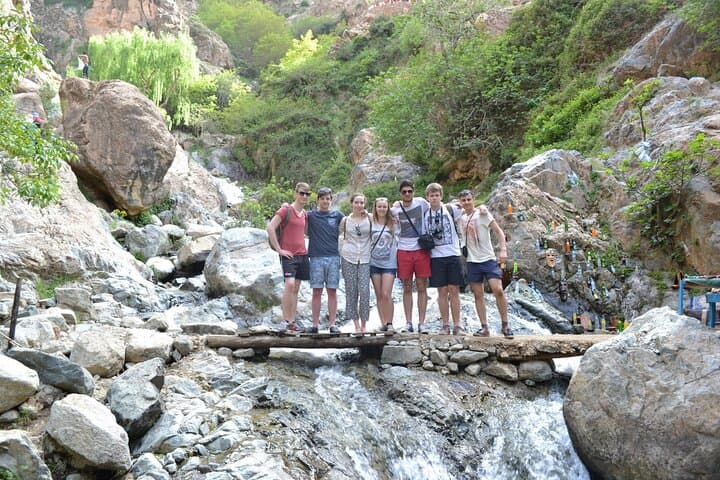
Practical guidance: expect a 7–8 hour door-to-door tour from Marrakech with hotel pickup in an air-conditioned minibus. The waterfall approach is a series of uneven stone steps and narrow trails — wear sturdy shoes and allow time to pause for photos. Bring water, sunscreen and local currency for small purchases and tips. If you want a quieter pace, ask about starting earlier or booking a private transfer; weather can cool quickly in the shade, so a light layer is useful even in summer. The itinerary balances cultural stops with easy walking and leaves you back in Marrakech by early evening.
moderate.
7–8 hours.
Moderate fitness needed for short uphill walks and uneven paths; no technical endurance required.
Yes for many families — the bus transport reduces long walks, but the waterfall trail has uneven steps; notify the operator about mobility needs and use infant seats if required.
The standard tour includes transport and guide; small local charges or optional activities at the falls and restaurants are typically paid on-site.
Driving is about 45–60 minutes to the first villages and roughly 1–1.5 hours to Setti Fatma depending on traffic and stops.
Most tours can accommodate common dietary requests if notified in advance; otherwise, choose simple local options like tagines and salads and inform the guide at booking.
The Ourika Valley’s Berber communities have farmed terraces for centuries; the area also preserves stories of Jewish-Berber coexistence that surface in local crafts and oral history.
Tourism pressures focus on waste and water use; support local businesses, avoid single-use plastics and stick to marked paths to limit erosion.
Moroccan Desert Tourism operates guided outdoor trips and adventures with an emphasis on safety, stewardship, and memorable experiences.
A bus eases out of Marrakech at first light and the city’s tile roofs slide behind you as the road climbs into the High Atlas. Olive groves and orchards press close to the vehicle; the Ourika River threads the valley and seems to dare you to follow its course. By midmorning the bus stops at a simple village where the guide points toward terraced fields and a cluster of low stone houses — an opening scene to a day of mountain air and running water.
A bus eases out of Marrakech at first light and the city’s tile roofs slide behind you as the road climbs into the High Atlas. Olive groves and orchards press close to the vehicle; the Ourika River threads the valley and seems to dare you to follow its course. By midmorning the bus stops at a simple village where the guide points toward terraced fields and a cluster of low stone houses — an opening scene to a day of mountain air and running water.
The Ourika Valley has been occupied by Berber communities for centuries; its villages and markets reflect a living culture shaped by mountain agriculture and a history of coexistence, including a small Jewish heritage found in local stories and sites. Geologically the valley is carved by a resilient river that fed terraces and fruit trees, producing microclimates where medicinal herbs and cherries thrive. The village of Siti (Setti) Fatima grew around access to the popular waterfalls; cafes and shops cluster here to welcome visitors after the short walk upriver.
Practical guidance: expect a 7–8 hour door-to-door tour from Marrakech with hotel pickup in an air-conditioned minibus. The waterfall approach is a series of uneven stone steps and narrow trails — wear sturdy shoes and allow time to pause for photos. Bring water, sunscreen and local currency for small purchases and tips. If you want a quieter pace, ask about starting earlier or booking a private transfer; weather can cool quickly in the shade, so a light layer is useful even in summer. The itinerary balances cultural stops with easy walking and leaves you back in Marrakech by early evening.