THE ADVENTURE COLLECTIVE® · Independent discovery and booking for outdoor travel

Leave Marrakech for a six-hour circuit through the Ourika Valley to Setti Fatma: riverside walks, terraced farms, and a local lunch with Berber hosts. This practical day trip blends light hiking, cultural exchange, and High Atlas scenery.
Leave Marrakech for a six-hour circuit through the Ourika Valley to Setti Fatma: riverside walks, terraced farms, and a local lunch with Berber hosts. This practical day trip blends light hiking, cultural exchange, and High Atlas scenery.
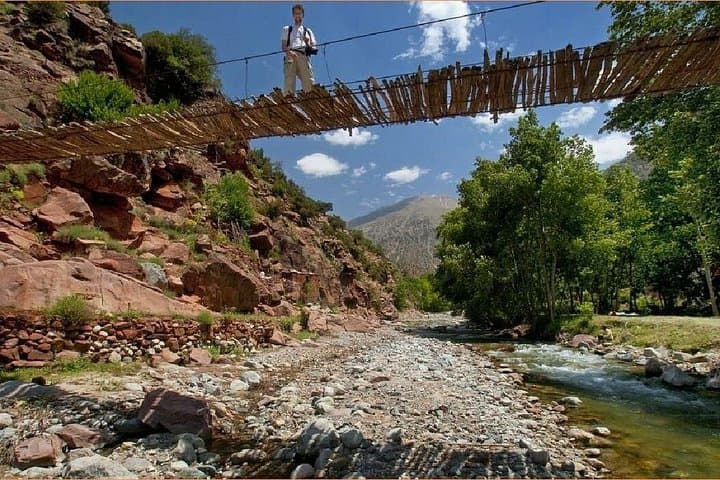
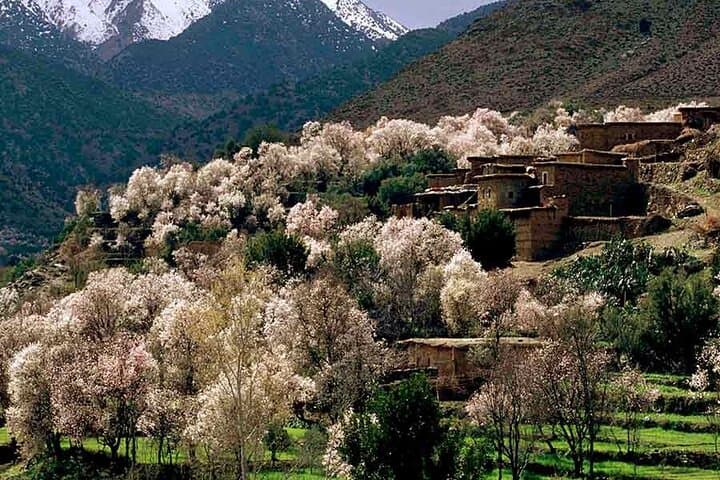
You turn a corner and the city heat peels away—poplars and willows line a slow river that seems to dare you to follow it upstream. The road climbs out of the Al Haouz plain and the High Atlas rises in blue-gray folds; terraces cling to steep slopes and small houses sit like stitched-on patches of stone.
Verified experiences and guided adventures in the surrounding area.
Operated by Toubkal Guide · Setti Fatma, Marrakesh-Safi
You turn a corner and the city heat peels away—poplars and willows line a slow river that seems to dare you to follow it upstream. The road climbs out of the Al Haouz plain and the High Atlas rises in blue-gray folds; terraces cling to steep slopes and small houses sit like stitched-on patches of stone.
This single-day excursion tracks traditional Berber routes through the Ourika Valley toward Setti Fatma and the first foothills of Oukaimden. Geologically, the High Atlas is young and rugged—folded sedimentary layers give way to schist and granite at higher elevation—so you’ll see agricultural terraces hewn into steep faces and streams fed by mountain runoff. Culturally, the valley remains a living Berber landscape: pottery workshops, terraced gardens and family-run lunches are part of daily life rather than staged stops.
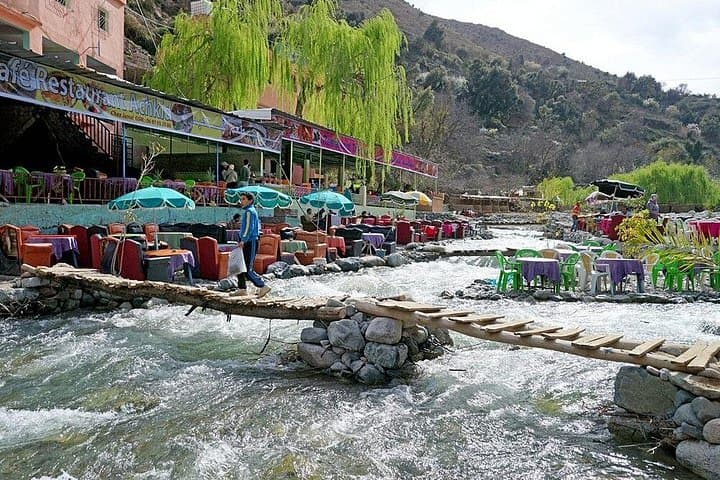
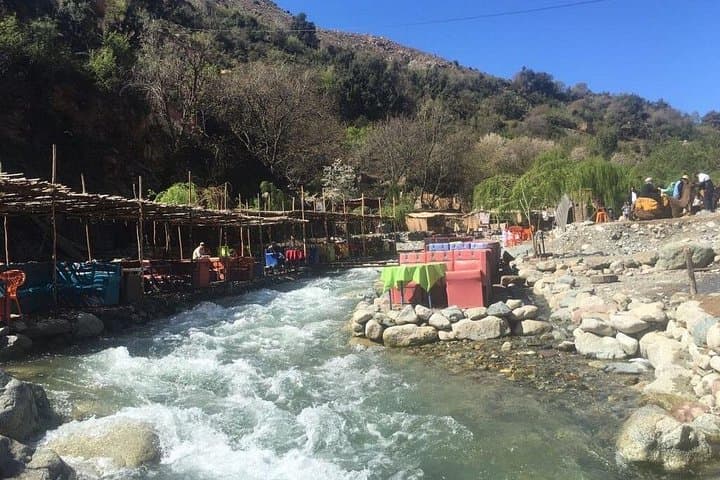
A local guide leads a short riverside walk to the Setti Fatma waterfalls, negotiating shallow crossings where the current teases your balance and pushes your pace. Expect easy but uneven terrain, river stones, and the chance to cool your feet in clear pools. Lunch with a Berber family includes mint tea and seasonal tagine; timings leave you back in Marrakech by evening.
Practical notes: wear sturdy walking shoes, bring sun protection and a refillable water bottle, and be ready for basic facilities in villages. Spring and autumn offer the most comfortable temperatures; summer can be very hot in low valleys, and winter mornings may be chilly. Respect local customs, pack out waste, and tip guides for local income that supports conservation.
easy.
6 hours.
Suitable for most travelers who can walk 2–4 miles over uneven ground; not technical but requires balance for river crossings.
Yes—hotel pickup and drop-off in Marrakech are included and the ride is typically in an air-conditioned vehicle.
The walk is short and generally easy but uneven, with shallow river crossings; good balance and sturdy shoes are recommended.
Yes—stops include village visits, pottery workshops and often a family-hosted lunch where you can share mint tea and local dishes.
The tour runs about six hours with return to Marrakech in the afternoon or early evening depending on traffic and group pace.
The Ourika Valley has long been a corridor for Amazigh (Berber) communities; terraces and stone houses reveal centuries of sustained mountain agriculture.
Tourism supports local incomes but increased foot traffic strains water and trail systems—stick to paths, minimize waste, and buy locally-made goods.
Toubkal Guide operates guided outdoor trips and adventures with an emphasis on safety, stewardship, and memorable experiences.
You turn a corner and the city heat peels away—poplars and willows line a slow river that seems to dare you to follow it upstream. The road climbs out of the Al Haouz plain and the High Atlas rises in blue-gray folds; terraces cling to steep slopes and small houses sit like stitched-on patches of stone.
You turn a corner and the city heat peels away—poplars and willows line a slow river that seems to dare you to follow it upstream. The road climbs out of the Al Haouz plain and the High Atlas rises in blue-gray folds; terraces cling to steep slopes and small houses sit like stitched-on patches of stone.
This single-day excursion tracks traditional Berber routes through the Ourika Valley toward Setti Fatma and the first foothills of Oukaimden. Geologically, the High Atlas is young and rugged—folded sedimentary layers give way to schist and granite at higher elevation—so you’ll see agricultural terraces hewn into steep faces and streams fed by mountain runoff. Culturally, the valley remains a living Berber landscape: pottery workshops, terraced gardens and family-run lunches are part of daily life rather than staged stops.
A local guide leads a short riverside walk to the Setti Fatma waterfalls, negotiating shallow crossings where the current teases your balance and pushes your pace. Expect easy but uneven terrain, river stones, and the chance to cool your feet in clear pools. Lunch with a Berber family includes mint tea and seasonal tagine; timings leave you back in Marrakech by evening.
Practical notes: wear sturdy walking shoes, bring sun protection and a refillable water bottle, and be ready for basic facilities in villages. Spring and autumn offer the most comfortable temperatures; summer can be very hot in low valleys, and winter mornings may be chilly. Respect local customs, pack out waste, and tip guides for local income that supports conservation.