THE ADVENTURE COLLECTIVE® · Independent discovery and booking for outdoor travel

Escape Marrakech for a 7–8 hour excursion into the Ourika Valley—walk to cascading waterfalls, visit a traditional Berber house, and take in sweeping High Atlas scenery with a local guide. Practical, accessible, and rich in culture, this day trip suits most fitness levels.
Escape Marrakech for a 7–8 hour excursion into the Ourika Valley—walk to cascading waterfalls, visit a traditional Berber house, and take in sweeping High Atlas scenery with a local guide. Practical, accessible, and rich in culture, this day trip suits most fitness levels.
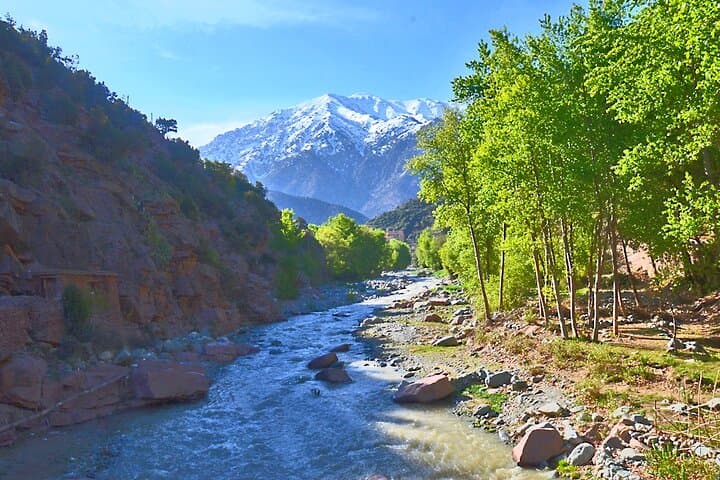
You leave Marrakech before the heat builds, the road climbing into a band of scrub and terraced fields until the High Atlas folds into the valley walls. Air-conditioned transfer peels you away from the city; by the time you reach Setti Fatma the river’s voice is audible below the path and the first cascades throw cool mist into the sunlight.
Verified experiences and guided adventures in the surrounding area.
Operated by Shade Explore · Setti Fatma, Marrakesh-Safi
You leave Marrakech before the heat builds, the road climbing into a band of scrub and terraced fields until the High Atlas folds into the valley walls. Air-conditioned transfer peels you away from the city; by the time you reach Setti Fatma the river’s voice is audible below the path and the first cascades throw cool mist into the sunlight.
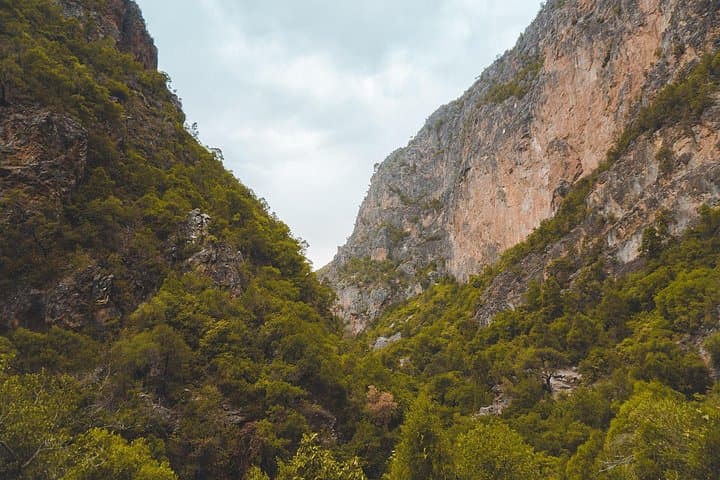
The Ourika Valley runs down from the High Atlas, shaped by river-carved gorges and centuries of Berber agriculture. Geologically it’s young: jagged volcanic and metamorphic ridges give way to fertile alluvial benches where olive and fig trees hold the slopes. Culturally the valley is a living Berber landscape—houses of stone and plaster, mule tracks, and family-run terraces that still grow saffron, mint and almonds. Barbary macaques and raptors are common sights; local guides often point out small dwellings where tea is offered.
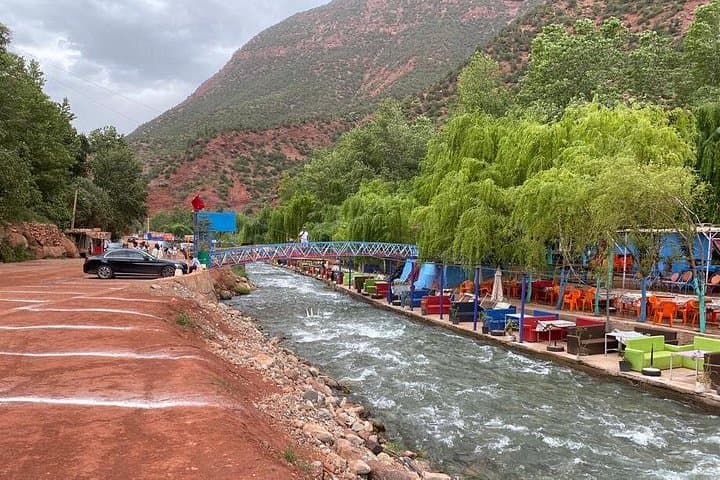
The core experience is straightforward: a guided valley drive and short hikes from Setti Fatma to a series of waterfalls, paired with a visit to a Berber house and lunch beside the Ourika River. Trails are uneven and can be slippery after rain, but no technical climbing is required.
Practical guidance: wear sturdy shoes with grip, bring sun protection and a refillable water bottle, and plan for a 7–8 hour day including transport. Morning departures avoid mid-day crowds and heat. Respect private property and wildlife—support local guides and the Berber household fees that sustain village life. The trip is ideal for travelers seeking accessible mountain scenery with cultural context.
moderate.
7–8 hours.
Light to moderate fitness for short uphill sections and uneven trails; suitable for most active travelers.
The guided walks from Setti Fatma are short—typically 30–90 minutes on uneven trails to reach the main cascades; total walking distance depends on which falls you visit.
Yes—guides note the activity as physically easy to moderate; children and older travelers can participate but should be steady on uneven terrain.
(duplicate) See above.
Yes—private pickup from Marrakech accommodation is included; the operator will confirm pickup point and time when you book.
The valley has long been home to Amazigh (Berber) communities who cultivated terraced fields and maintained trade paths across the High Atlas; many villages still practice traditional agriculture.
Tourism pressures and seasonal water stress affect the valley—choose operators that pay local households and avoid feeding wildlife to limit disturbance.
Shade Explore operates guided outdoor trips and adventures with an emphasis on safety, stewardship, and memorable experiences.
You leave Marrakech before the heat builds, the road climbing into a band of scrub and terraced fields until the High Atlas folds into the valley walls. Air-conditioned transfer peels you away from the city; by the time you reach Setti Fatma the river’s voice is audible below the path and the first cascades throw cool mist into the sunlight.
You leave Marrakech before the heat builds, the road climbing into a band of scrub and terraced fields until the High Atlas folds into the valley walls. Air-conditioned transfer peels you away from the city; by the time you reach Setti Fatma the river’s voice is audible below the path and the first cascades throw cool mist into the sunlight.
The Ourika Valley runs down from the High Atlas, shaped by river-carved gorges and centuries of Berber agriculture. Geologically it’s young: jagged volcanic and metamorphic ridges give way to fertile alluvial benches where olive and fig trees hold the slopes. Culturally the valley is a living Berber landscape—houses of stone and plaster, mule tracks, and family-run terraces that still grow saffron, mint and almonds. Barbary macaques and raptors are common sights; local guides often point out small dwellings where tea is offered.
The core experience is straightforward: a guided valley drive and short hikes from Setti Fatma to a series of waterfalls, paired with a visit to a Berber house and lunch beside the Ourika River. Trails are uneven and can be slippery after rain, but no technical climbing is required.
Practical guidance: wear sturdy shoes with grip, bring sun protection and a refillable water bottle, and plan for a 7–8 hour day including transport. Morning departures avoid mid-day crowds and heat. Respect private property and wildlife—support local guides and the Berber household fees that sustain village life. The trip is ideal for travelers seeking accessible mountain scenery with cultural context.