THE ADVENTURE COLLECTIVE® · Independent discovery and booking for outdoor travel

Escape Marrakech for a full-day drive into the High Atlas to hike to the Ourika Valley waterfalls and visit traditional Berber villages. This guided trip combines short mountain walks, riverside views and cultural stops reachable in a comfortable minibus or 4x4.
Escape Marrakech for a full-day drive into the High Atlas to hike to the Ourika Valley waterfalls and visit traditional Berber villages. This guided trip combines short mountain walks, riverside views and cultural stops reachable in a comfortable minibus or 4x4.
You leave Marrakech behind, the city noise thinning as the road climbs into the High Atlas. Olive groves and terraced fields slide past the minibus windows, and the air sharpens — the river in the valley below seems to call you forward. By midmorning the tarmac peters out in the village of Setti Fadma; beyond it the trail follows the Ourika River up to a string of rocky cascades.
Verified experiences and guided adventures in the surrounding area.
Operated by Safari Desert Tours · Marrakech, Marrakech-Safi
You leave Marrakech behind, the city noise thinning as the road climbs into the High Atlas. Olive groves and terraced fields slide past the minibus windows, and the air sharpens — the river in the valley below seems to call you forward. By midmorning the tarmac peters out in the village of Setti Fadma; beyond it the trail follows the Ourika River up to a string of rocky cascades.
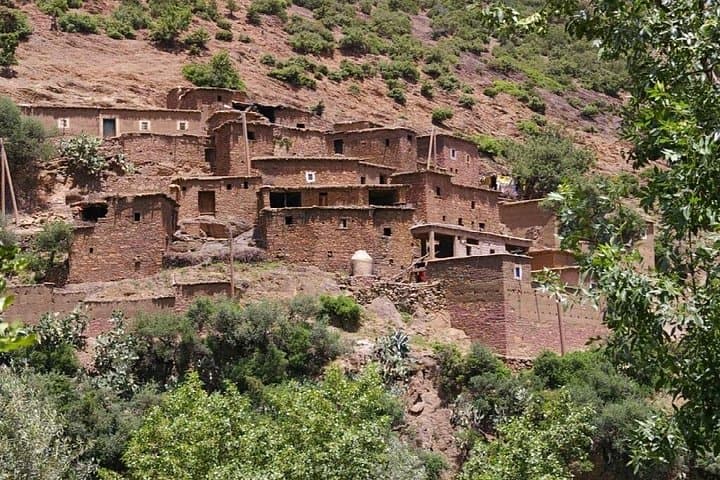
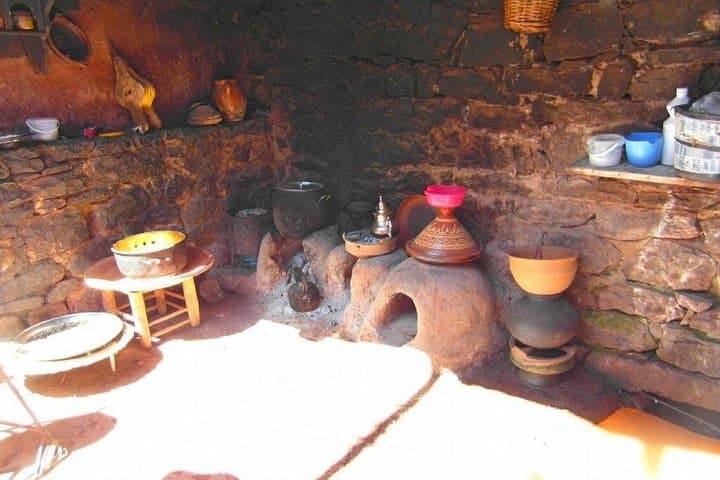
Geology here is honest and visible: folded schist and granite faces carved by seasonal flows, with alluvial benches that host almond and walnut trees. The valley has been lived in by Berber communities for centuries; stone houses and irrigated terraces trace a cultural pattern of mountain agriculture and seasonal migration. Local guides explain how water rights and spring-fed channels shape village life.
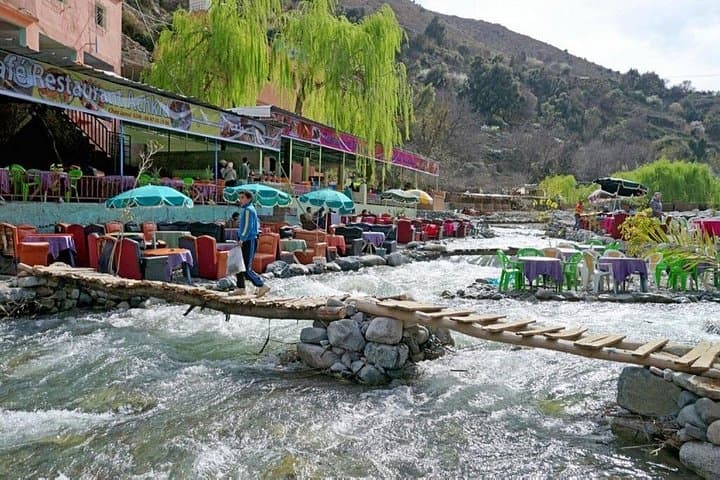
Expect a guided 1.5-hour out-and-back walk to reach several waterfalls — steps, packed-earth tracks and some steeper switchbacks — or choose shorter roadside viewpoints and riverside cafés. The river dares you to keep moving; the current pushes a steady soundtrack of clinking pebbles and bird calls.
Practicalities: most itineraries include hotel pickup, lunch options, and transport in a minibus or 4x4. Wear sturdy walking shoes, bring 1–2 liters of water, sunscreen and a lightweight jacket for higher elevations. Photography windows are frequent; consider arriving early to avoid midday crowds and to catch the light on the falls. Respect private property, ask before photographing people, and support local guides and small cafés to keep tourism benefits flowing down the valley.
easy.
8 hours (including transport).
Suitable for travelers in basic fitness; the main waterfall walk is short but uneven.
The guided walk to the main waterfalls is about 1.5 hours round-trip, with options to shorten or skip the hike and stay by the riverside cafés.
Yes — the itinerary is described as physically easy; however, those with mobility issues should note there are uneven paths and some steeper sections near the falls.
Yes — most departures include hotel pickup and drop-off in Marrakech using an air-conditioned minibus or 4x4.
Lunch options vary; some tours include lunch while others offer time at local cafés — bring snacks and cash if you have dietary preferences.
The Ourika Valley has long been populated by Berber communities who developed terraced irrigation to farm almonds, fruit and vegetables in steep mountain slopes.
Tourism pressure can strain water and waste systems; stick to marked paths, avoid littering and support local businesses to help keep benefits in the valley.
Safari Desert Tours operates guided outdoor trips and adventures with an emphasis on safety, stewardship, and memorable experiences.

You leave Marrakech behind, the city noise thinning as the road climbs into the High Atlas. Olive groves and terraced fields slide past the minibus windows, and the air sharpens — the river in the valley below seems to call you forward. By midmorning the tarmac peters out in the village of Setti Fadma; beyond it the trail follows the Ourika River up to a string of rocky cascades.
You leave Marrakech behind, the city noise thinning as the road climbs into the High Atlas. Olive groves and terraced fields slide past the minibus windows, and the air sharpens — the river in the valley below seems to call you forward. By midmorning the tarmac peters out in the village of Setti Fadma; beyond it the trail follows the Ourika River up to a string of rocky cascades.
Geology here is honest and visible: folded schist and granite faces carved by seasonal flows, with alluvial benches that host almond and walnut trees. The valley has been lived in by Berber communities for centuries; stone houses and irrigated terraces trace a cultural pattern of mountain agriculture and seasonal migration. Local guides explain how water rights and spring-fed channels shape village life.
Expect a guided 1.5-hour out-and-back walk to reach several waterfalls — steps, packed-earth tracks and some steeper switchbacks — or choose shorter roadside viewpoints and riverside cafés. The river dares you to keep moving; the current pushes a steady soundtrack of clinking pebbles and bird calls.
Practicalities: most itineraries include hotel pickup, lunch options, and transport in a minibus or 4x4. Wear sturdy walking shoes, bring 1–2 liters of water, sunscreen and a lightweight jacket for higher elevations. Photography windows are frequent; consider arriving early to avoid midday crowds and to catch the light on the falls. Respect private property, ask before photographing people, and support local guides and small cafés to keep tourism benefits flowing down the valley.