THE ADVENTURE COLLECTIVE® · Independent discovery and booking for outdoor travel

A five-hour escape from Marrakech into the High Atlas: river walks, Setti Fatma’s waterfalls, and visits with Amazigh communities. Ideal for travelers who want light hiking paired with cultural immersion.
A five-hour escape from Marrakech into the High Atlas: river walks, Setti Fatma’s waterfalls, and visits with Amazigh communities. Ideal for travelers who want light hiking paired with cultural immersion.
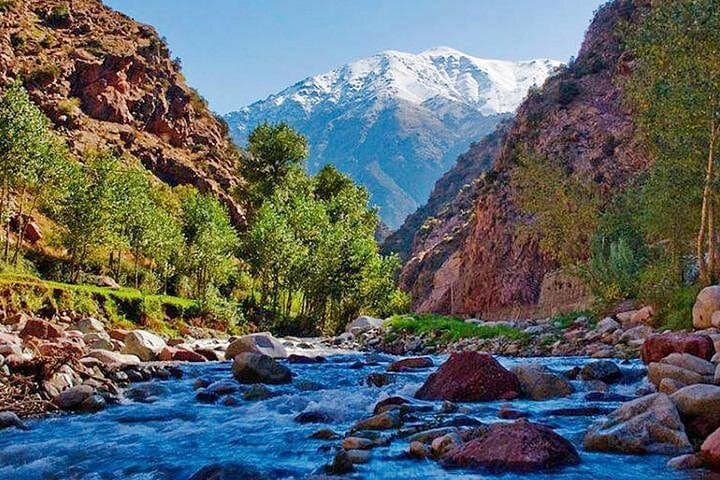
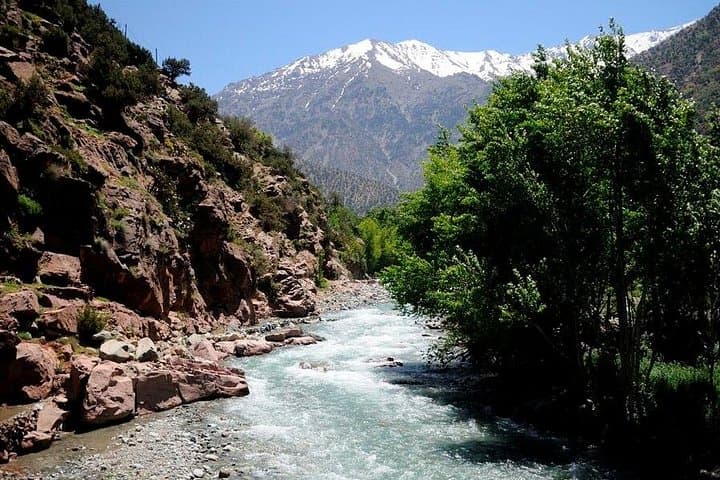
You leave Marrakech before sunrise, the city shrinking behind plastered walls and olive groves giving way to rising foothills. The road climbs into the High Atlas and the air cools; the Ourika River appears as a bright ribbon, daring you to follow it upstream.
Verified experiences and guided adventures in the surrounding area.
Operated by Fajga Travel · Marrakech, Marrakech-Safi
You leave Marrakech before sunrise, the city shrinking behind plastered walls and olive groves giving way to rising foothills. The road climbs into the High Atlas and the air cools; the Ourika River appears as a bright ribbon, daring you to follow it upstream.
The valley has long been a corridor between Marrakech and the mountain communities of the Atlas. Geologically, the landscape is a contrast of granite ridges and soft river terraces carved over millennia. Culturally, the area is defined by Amazigh (Berber) villages and cooperative life — terraced farms, stone houses, and women’s cooperatives that keep traditional crafts and argan presses alive.
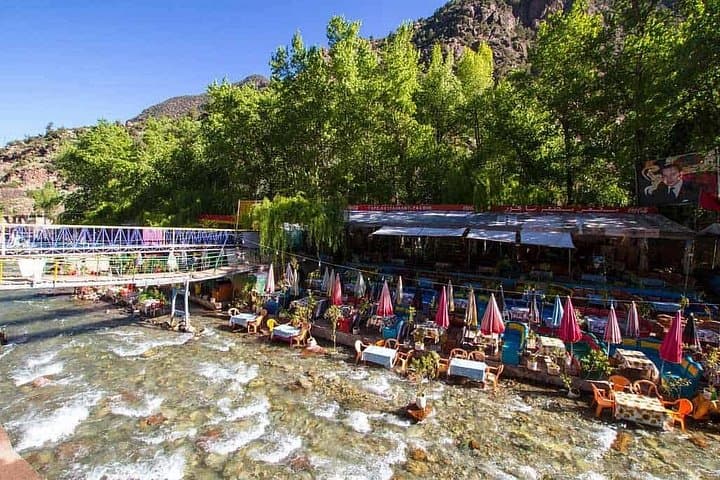
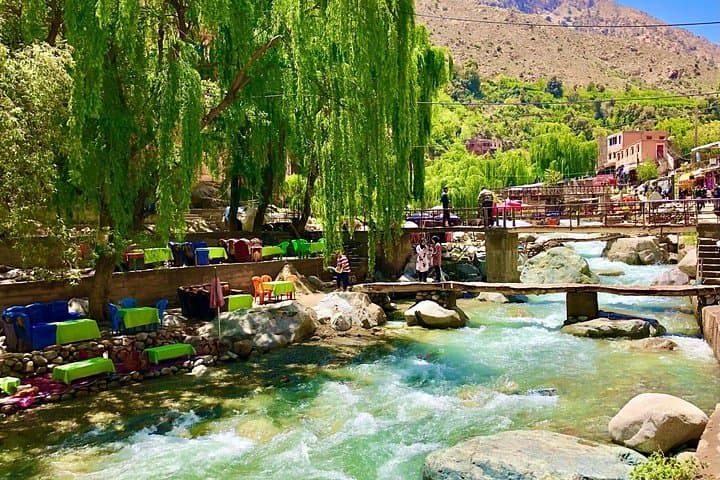
On the trip you’ll stop at riverside restaurants for tagine, stroll cobbled village lanes, and hike the paths above Setti Fatma to a sequence of waterfalls. Expect uneven trails, cool splash zones near the cascades, and frequent viewpoints where the valley opens to long north-facing slopes.
Practical guidance: this is a full five-hour excursion with short guided walks rather than technical climbs. Wear grippy shoes for wet rocks, bring sunscreen and layered clothing for shifting mountain sun and shade, and carry at least 1–1.5 liters of water. Respect private lands and ask before photographing inside homes; tipping local guides and cooperative staff is customary and supports the villages you visit.
Timing matters: morning departures avoid afternoon haze and allow the clearest mountain views. The experience balances a light outdoor hike with social and culinary insights — a compact, accessible way to meet the Atlas beyond the city.
easy.
5 hours.
Suitable for most fitness levels; involves short, non-technical hikes on uneven terrain and steps.
The excursion is about five hours and typically includes pickup, transport in an air-conditioned minivan, bottled water, a riverside lunch, a guided hike to the Setti Fatma waterfalls, and a local guide.
Yes—paths are short and non-technical, though there are stone steps and uneven surfaces; those with limited mobility should check specific accessibility needs with the operator.
Yes; the itinerary includes stops at village cooperatives and restaurants with restroom facilities—small purchases support local families.
Tipping is customary; a general guideline is 5–10% of the tour price split between driver and guide, or a modest cash tip per person for good service.
The Ourika Valley has long been an agricultural corridor for Amazigh communities; river-fed terraces and stone villages reflect centuries of mountain subsistence and trade links to Marrakech.
Water use and visitor pressure can strain small villages—minimize single-use plastics, stay on trails, and buy from local cooperatives to support community conservation.
Fajga Travel operates guided outdoor trips and adventures with an emphasis on safety, stewardship, and memorable experiences.
You leave Marrakech before sunrise, the city shrinking behind plastered walls and olive groves giving way to rising foothills. The road climbs into the High Atlas and the air cools; the Ourika River appears as a bright ribbon, daring you to follow it upstream.
You leave Marrakech before sunrise, the city shrinking behind plastered walls and olive groves giving way to rising foothills. The road climbs into the High Atlas and the air cools; the Ourika River appears as a bright ribbon, daring you to follow it upstream.
The valley has long been a corridor between Marrakech and the mountain communities of the Atlas. Geologically, the landscape is a contrast of granite ridges and soft river terraces carved over millennia. Culturally, the area is defined by Amazigh (Berber) villages and cooperative life — terraced farms, stone houses, and women’s cooperatives that keep traditional crafts and argan presses alive.
On the trip you’ll stop at riverside restaurants for tagine, stroll cobbled village lanes, and hike the paths above Setti Fatma to a sequence of waterfalls. Expect uneven trails, cool splash zones near the cascades, and frequent viewpoints where the valley opens to long north-facing slopes.
Practical guidance: this is a full five-hour excursion with short guided walks rather than technical climbs. Wear grippy shoes for wet rocks, bring sunscreen and layered clothing for shifting mountain sun and shade, and carry at least 1–1.5 liters of water. Respect private lands and ask before photographing inside homes; tipping local guides and cooperative staff is customary and supports the villages you visit.
Timing matters: morning departures avoid afternoon haze and allow the clearest mountain views. The experience balances a light outdoor hike with social and culinary insights — a compact, accessible way to meet the Atlas beyond the city.