
Ourika Valley Day Trip from Marrakech: Waterfalls, Berber Villages & Atlas Views
A full-day escape from Marrakech into the High Atlas foothills, the Ourika Valley pairs brisk riverside hikes and cascading waterfalls with visits to living Berber villages. Expect short rocky trails, panoramic terraces and a chance to see traditional bread-making and argan production.
An Adventure In Marrakech.
A full-day escape from Marrakech into the High Atlas foothills, the Ourika Valley pairs brisk riverside hikes and cascading waterfalls with visits to living Berber villages. Expect short rocky trails, panoramic terraces and a chance to see traditional bread-making and argan production.
Read the full experience
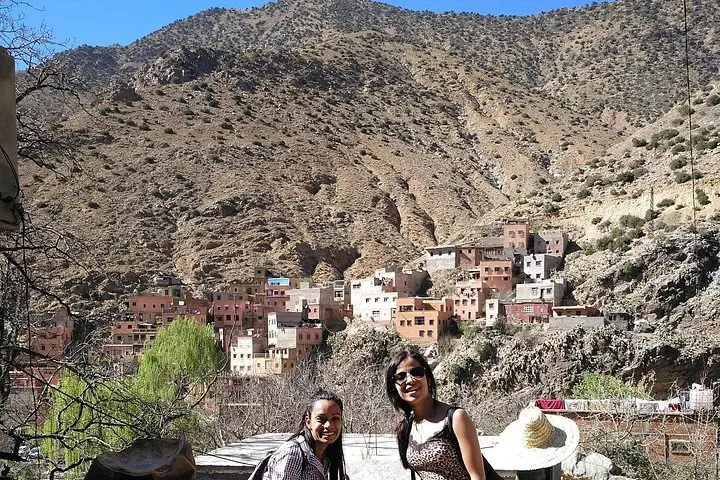
You pull away from Marrakech and the city gives way to the High Atlas foothills: a ribbon of road, a river that dares you to follow it, terraces stepping down to villages carved into rock. By mid-morning you’re in Ourika Valley, where cool mountain air and the low chatter of birds replace the city’s pulse.
You pull away from Marrakech and the city gives way to the High Atlas foothills: a ribbon of road, a river that dares you to follow it, terraces stepping down to villages carved into rock. By mid-morning you’re in Ourika Valley, where cool mountain air and the low chatter of birds replace the city’s pulse.
The valley has long been home to Amazigh (Berber) communities; centuries of pastoral life shaped the dry-stone terraces and irrigation channels you’ll see. Geologically the valley is a transition between volcanic foothills and sandstone ridges, cut by a fast-moving river that feeds a series of waterfalls near Setti Fatma. Culture here is plainspoken: women grind argan, men tend terraces, and occasional weekly souks echo old trading routes that once linked the Atlas with Marrakech.
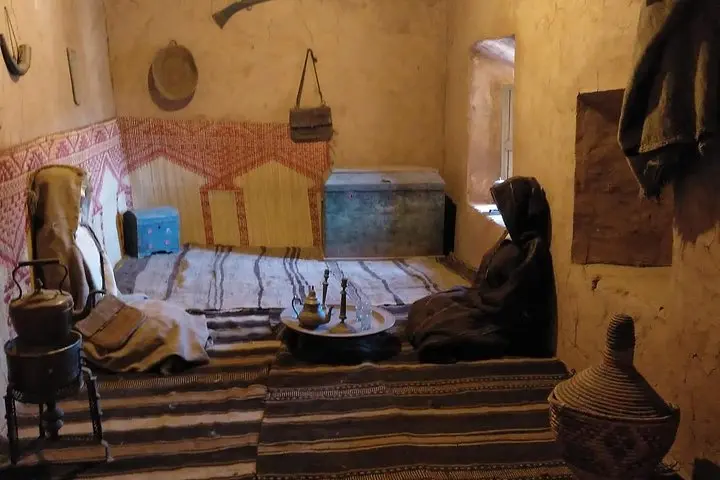
Expect a mix of short, rocky footpaths and easy, steep pull-outs to viewpoints rather than long, maintained trails. Local guides can arrange a brief climb to the upper falls or a visit to a Berber home to see bread-making and mint tea served on a low table.
Practical guidance: start early to avoid afternoon crowds and heat, bring sturdy shoes for uneven trails, and carry at least 1–2 liters of water. Cash is useful for small purchases and tip culture; modest clothing is appreciated in villages. If you plan to walk beyond the main waterfalls, check with a local guide about footing and seasonal stream crossings. The day trip is accessible, rewarding for photographers and hikers who like a short, sensory mountain escape without technical climbing.
Frequently asked questions
Most operators run an approximately 8-hour round-trip, leaving mid-morning and returning by early evening.
No technical climbing is required; paths are short but uneven and include stone steps—comfortable walking shoes are recommended.
Yes, many day trips include an optional stop at a Berber home and, on market days (often Monday, Thursday or Friday), a local souk visit.
Families and older travelers can participate, but those with limited mobility should avoid steep sections and tell the operator in advance to arrange easier stops.
About This Experience
Tours Aladdina Viajeros operates guided outdoor trips and adventures with an emphasis on safety, stewardship, and memorable experiences.
Adventure tips
Recommended gear
- Sturdy hiking shoes: Good traction and ankle support for rocky, uneven paths to the falls.
- Reusable water bottle with filter or 2L water: Keeps you hydrated on sunny, exposed sections where water access is limited.
- Sun protection (hat, sunscreen): Strong sun in the valley makes skin protection essential during midday hours.
- Light wind/rain shell: Spring and fall can bring sudden mountain breezes or light showers—pack a compressible layer.
Photos of the experience
Related adventures & guides
Read the full experience
You pull away from Marrakech and the city gives way to the High Atlas foothills: a ribbon of road, a river that dares you to follow it, terraces stepping down to villages carved into rock. By mid-morning you’re in Ourika Valley, where cool mountain air and the low chatter of birds replace the city’s pulse.
You pull away from Marrakech and the city gives way to the High Atlas foothills: a ribbon of road, a river that dares you to follow it, terraces stepping down to villages carved into rock. By mid-morning you’re in Ourika Valley, where cool mountain air and the low chatter of birds replace the city’s pulse.
The valley has long been home to Amazigh (Berber) communities; centuries of pastoral life shaped the dry-stone terraces and irrigation channels you’ll see. Geologically the valley is a transition between volcanic foothills and sandstone ridges, cut by a fast-moving river that feeds a series of waterfalls near Setti Fatma. Culture here is plainspoken: women grind argan, men tend terraces, and occasional weekly souks echo old trading routes that once linked the Atlas with Marrakech.
Expect a mix of short, rocky footpaths and easy, steep pull-outs to viewpoints rather than long, maintained trails. Local guides can arrange a brief climb to the upper falls or a visit to a Berber home to see bread-making and mint tea served on a low table.
Practical guidance: start early to avoid afternoon crowds and heat, bring sturdy shoes for uneven trails, and carry at least 1–2 liters of water. Cash is useful for small purchases and tip culture; modest clothing is appreciated in villages. If you plan to walk beyond the main waterfalls, check with a local guide about footing and seasonal stream crossings. The day trip is accessible, rewarding for photographers and hikers who like a short, sensory mountain escape without technical climbing.
Make a day of it nearby.
Verified experiences and guided adventures in the surrounding area.