THE ADVENTURE COLLECTIVE® · Independent discovery and booking for outdoor travel

Escape Marrakech for a day into the Ourika Valley, where rivers carve cliffs and small Berber villages welcome visitors for tea and short guided hikes to waterfalls. This full‑day trip mixes cultural stops, an argan cooperative visit, and a riverside lunch with moderate walking on uneven trails.
Escape Marrakech for a day into the Ourika Valley, where rivers carve cliffs and small Berber villages welcome visitors for tea and short guided hikes to waterfalls. This full‑day trip mixes cultural stops, an argan cooperative visit, and a riverside lunch with moderate walking on uneven trails.
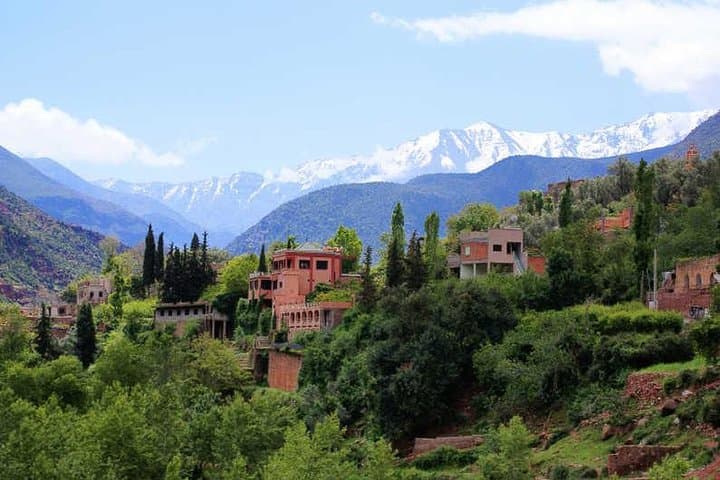
An hour and a half south of Marrakech the road sheds the city’s heat and opens into a river-carved valley where the Ourika dares you to slow down. Olive terraces stack along steep slopes, a string of mule tracks leads to cliffside viewpoints, and the river cuts bright through the canyon toward Setti Fatma’s cluster of restaurants.
Verified experiences and guided adventures in the surrounding area.
Operated by Marrakech Tours Excursions · Ourika, Marrakesh-Safi
An hour and a half south of Marrakech the road sheds the city’s heat and opens into a river-carved valley where the Ourika dares you to slow down. Olive terraces stack along steep slopes, a string of mule tracks leads to cliffside viewpoints, and the river cuts bright through the canyon toward Setti Fatma’s cluster of restaurants.
Geology here is straightforward and readable: rivers have worked the foothills of the High Atlas for millennia, carving basalt and schist into gullies and small waterfalls. The valley’s people are primarily Amazigh (Berber), and traditional stone houses, small argan co-ops, and market days still anchor local life. You’ll likely pass a bio-cooperative selling argan and herbal remedies, and many tours include a stop in a family home for mint tea — a practical window into daily routines rather than a staged performance.
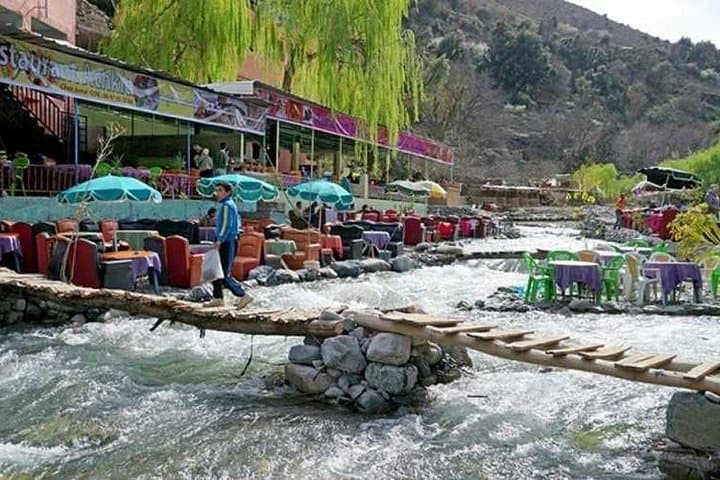
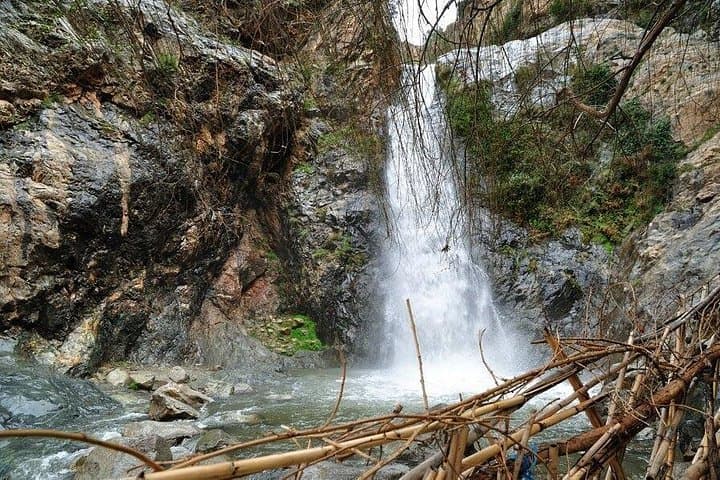
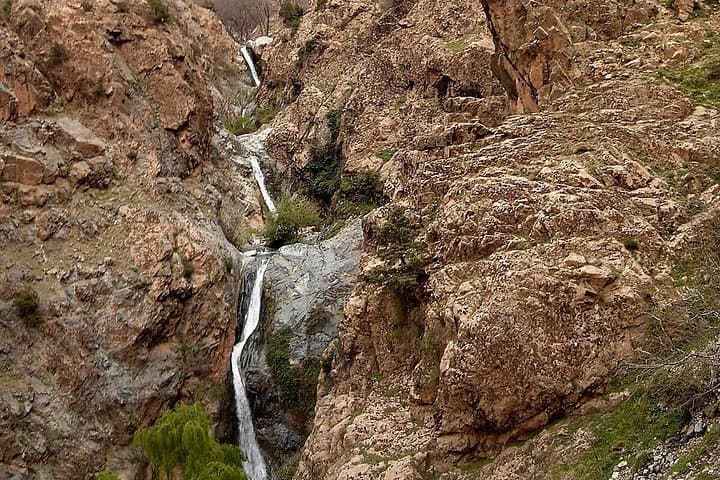
The core experience is a guided walk from the riverside village up the Setti-Fatma path to viewpoints and a string of seven main waterfalls. Trails are uneven with short steep pitches and river crossings; expect 3–4 miles of mixed terrain and roughly 200–400 feet of ascent depending on how high you climb. Lunch at a riverside restaurant is part of the rhythm: simple tagines, shared plates and fresh mint tea.
Plan for sun, dust, and changing afternoon light in the gorge; bring solid footwear, layered clothing, and water. Respect private terraces, tip guides and families for tea, and leave no trace — the valley’s fragile water supply and local agriculture depend on mindful visitors.
moderate.
7–8 hours (full day).
Moderate fitness recommended: able to walk 3–6 miles on uneven terrain with short climbs.
Expect roughly 60–90 minutes each way depending on traffic; the tour typically uses air-conditioned transport.
Older children who can manage uneven paths and short river crossings generally do fine; infants may need to stay off the trail.
Lunch at Setti Fatma is usually included as a riverside meal, but confirm specifics with the operator. Snacks are a good backup.
This popular day trip often runs daily; same-day bookings may be possible but book ahead in high season to secure preferred pickup times.
The Ourika Valley is traditionally Amazigh (Berber) territory; communities have farmed terraces and traded argan products for centuries, with markets still central to local life.
Tourism brings income but strains water and waste systems—stay on paths, avoid single-use plastics, and support local cooperatives that use sustainable harvesting methods.
Marrakech Tours Excursions operates guided outdoor trips and adventures with an emphasis on safety, stewardship, and memorable experiences.
An hour and a half south of Marrakech the road sheds the city’s heat and opens into a river-carved valley where the Ourika dares you to slow down. Olive terraces stack along steep slopes, a string of mule tracks leads to cliffside viewpoints, and the river cuts bright through the canyon toward Setti Fatma’s cluster of restaurants.
An hour and a half south of Marrakech the road sheds the city’s heat and opens into a river-carved valley where the Ourika dares you to slow down. Olive terraces stack along steep slopes, a string of mule tracks leads to cliffside viewpoints, and the river cuts bright through the canyon toward Setti Fatma’s cluster of restaurants.
Geology here is straightforward and readable: rivers have worked the foothills of the High Atlas for millennia, carving basalt and schist into gullies and small waterfalls. The valley’s people are primarily Amazigh (Berber), and traditional stone houses, small argan co-ops, and market days still anchor local life. You’ll likely pass a bio-cooperative selling argan and herbal remedies, and many tours include a stop in a family home for mint tea — a practical window into daily routines rather than a staged performance.
The core experience is a guided walk from the riverside village up the Setti-Fatma path to viewpoints and a string of seven main waterfalls. Trails are uneven with short steep pitches and river crossings; expect 3–4 miles of mixed terrain and roughly 200–400 feet of ascent depending on how high you climb. Lunch at a riverside restaurant is part of the rhythm: simple tagines, shared plates and fresh mint tea.
Plan for sun, dust, and changing afternoon light in the gorge; bring solid footwear, layered clothing, and water. Respect private terraces, tip guides and families for tea, and leave no trace — the valley’s fragile water supply and local agriculture depend on mindful visitors.