THE ADVENTURE COLLECTIVE® · Independent discovery and booking for outdoor travel

Drive an hour from Marrakech to the Ourika Valley where river-carved gorges, terraced farms and multiple waterfalls await. This day trip blends short hikes, Berber village culture, and clear mountain water—ideal for travelers wanting nature without multi-day logistics.
Drive an hour from Marrakech to the Ourika Valley where river-carved gorges, terraced farms and multiple waterfalls await. This day trip blends short hikes, Berber village culture, and clear mountain water—ideal for travelers wanting nature without multi-day logistics.
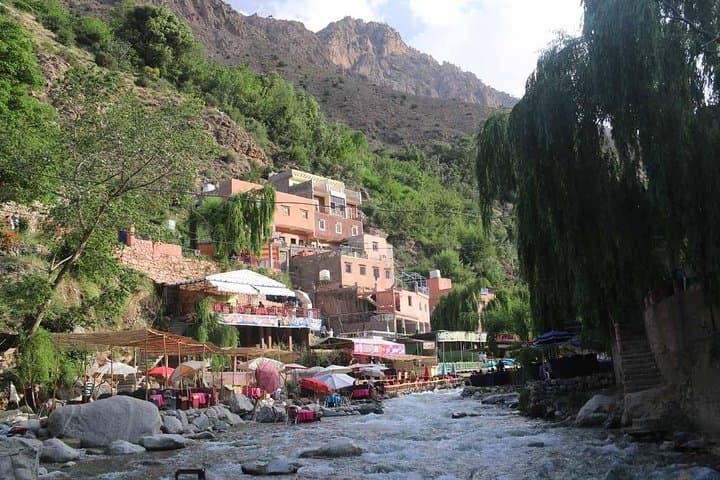
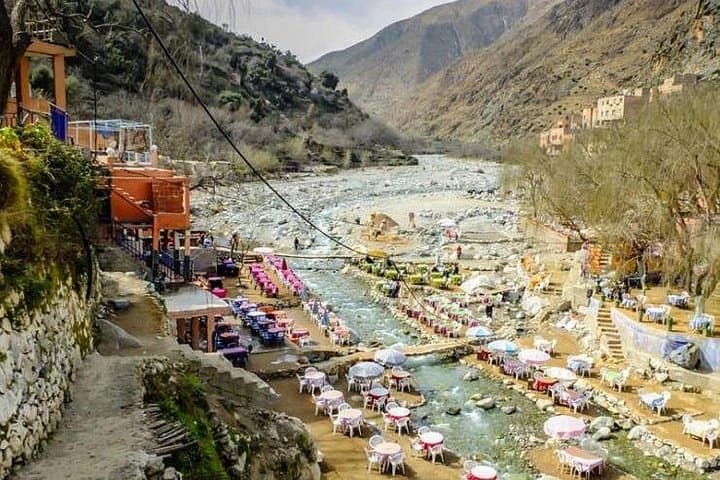
You leave Marrakech behind across the Haouz plain—olive groves and palm-lined roads giving way to the rising arms of the High Atlas. Within an hour the air feels cooler; the Ourika river begins to voice itself, pushing through terraces and villages until you arrive at Setti Fatma and the trailheads for the valley’s famous waterfalls.
Verified experiences and guided adventures in the surrounding area.
Operated by Morocco Tour Experience · Setti Fatma, Marrakech-Safi
You leave Marrakech behind across the Haouz plain—olive groves and palm-lined roads giving way to the rising arms of the High Atlas. Within an hour the air feels cooler; the Ourika river begins to voice itself, pushing through terraces and villages until you arrive at Setti Fatma and the trailheads for the valley’s famous waterfalls.
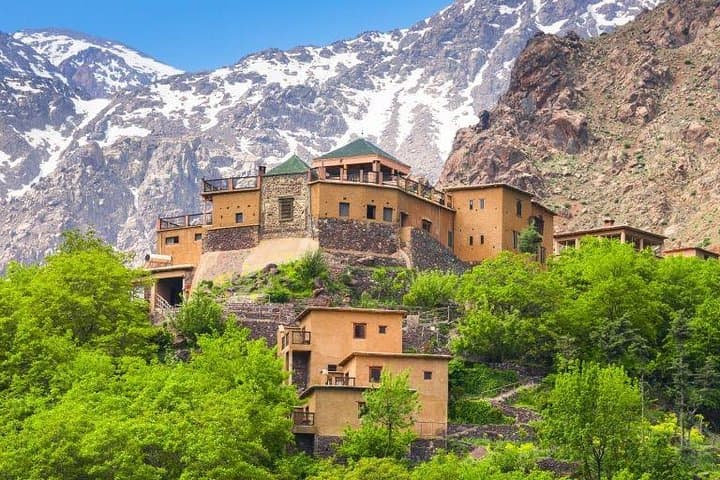
The Ourika Valley is shaped by tectonic uplift and seasonal water flow: rivers carved steep channels in volcanic and sedimentary rock as the Atlas rose. Human history here is visible in terraced fields, stone Berber houses, and small souks where arguments over mint tea are part of the rhythm. Locals from mountain villages still herd goats and farm figs and almonds on steep slopes—you’ll pass simple mosques and roadside stands selling henna and woven goods.
Hikes from Setti Fatma range from short, rocky walks to the first cascades to steeper paths that climb toward higher falls; four to seven waterfalls are commonly cited depending on route and season. Expect uneven, sometimes slippery stone steps, occasional short ascents that together can add up to several hundred metres of elevation change on a full hike.
Practical notes: tours are typically 6–7 hours including transport in an air-conditioned vehicle; bring closed-toe, grippy shoes, at least 1–2 liters of water, sun protection, and small local cash. Start early to avoid heat and crowds, and hire a local guide if you want the best route to higher falls or to learn village stories. The valley suits day travelers seeking a mix of easy walks, dramatic river scenery, and a slice of Berber mountain life.
moderate.
6–7 hours.
Suitable for travelers in light to moderate shape—short steep sections require comfortable footing and basic stamina.
Most operators drive about 50–65 km and it takes roughly one hour each way depending on traffic and the exact route.
The lower falls are accessible on short, rocky paths; reaching higher cascades involves steeper, uneven sections—good footwear and sure footing recommended.
Guides aren’t required for the main short walks, but local guides add safety and cultural context for longer routes and hidden cascades.
Some pools are accessible for brief dips in summer, but water is cold and currents can be strong—assess conditions before entering and avoid after heavy rain.
The valley has long been inhabited by Berber communities who farm steep terraces and maintained transhumance routes into the High Atlas; the river has shaped both settlement and agriculture here.
Tour pressure can erode trails and increase litter; follow leave-no-trace practices, use local guides, and buy from village artisans to support sustainable tourism.
Morocco Tour Experience operates guided outdoor trips and adventures with an emphasis on safety, stewardship, and memorable experiences.
You leave Marrakech behind across the Haouz plain—olive groves and palm-lined roads giving way to the rising arms of the High Atlas. Within an hour the air feels cooler; the Ourika river begins to voice itself, pushing through terraces and villages until you arrive at Setti Fatma and the trailheads for the valley’s famous waterfalls.
You leave Marrakech behind across the Haouz plain—olive groves and palm-lined roads giving way to the rising arms of the High Atlas. Within an hour the air feels cooler; the Ourika river begins to voice itself, pushing through terraces and villages until you arrive at Setti Fatma and the trailheads for the valley’s famous waterfalls.
The Ourika Valley is shaped by tectonic uplift and seasonal water flow: rivers carved steep channels in volcanic and sedimentary rock as the Atlas rose. Human history here is visible in terraced fields, stone Berber houses, and small souks where arguments over mint tea are part of the rhythm. Locals from mountain villages still herd goats and farm figs and almonds on steep slopes—you’ll pass simple mosques and roadside stands selling henna and woven goods.
Hikes from Setti Fatma range from short, rocky walks to the first cascades to steeper paths that climb toward higher falls; four to seven waterfalls are commonly cited depending on route and season. Expect uneven, sometimes slippery stone steps, occasional short ascents that together can add up to several hundred metres of elevation change on a full hike.
Practical notes: tours are typically 6–7 hours including transport in an air-conditioned vehicle; bring closed-toe, grippy shoes, at least 1–2 liters of water, sun protection, and small local cash. Start early to avoid heat and crowds, and hire a local guide if you want the best route to higher falls or to learn village stories. The valley suits day travelers seeking a mix of easy walks, dramatic river scenery, and a slice of Berber mountain life.