THE ADVENTURE COLLECTIVE® · Independent discovery and booking for outdoor travel

Escape Marrakech for a full-day trip into the Ourika Valley to hike to Setti Fatma’s waterfalls, walk through Berber villages, and absorb High Atlas views. This accessible excursion combines short hikes, cultural stops, and scenic driving—perfect for travelers seeking nature and local culture without technical demands.
Escape Marrakech for a full-day trip into the Ourika Valley to hike to Setti Fatma’s waterfalls, walk through Berber villages, and absorb High Atlas views. This accessible excursion combines short hikes, cultural stops, and scenic driving—perfect for travelers seeking nature and local culture without technical demands.
Morning light thins out of Marrakech as the minivan climbs toward the High Atlas; olive groves and terraced fields slip by and the air becomes cooler and sharper.
Verified experiences and guided adventures in the surrounding area.
Operated by Todo marruecos · Setti Fatma, Marrakech-Safi
Morning light thins out of Marrakech as the minivan climbs toward the High Atlas; olive groves and terraced fields slip by and the air becomes cooler and sharper.
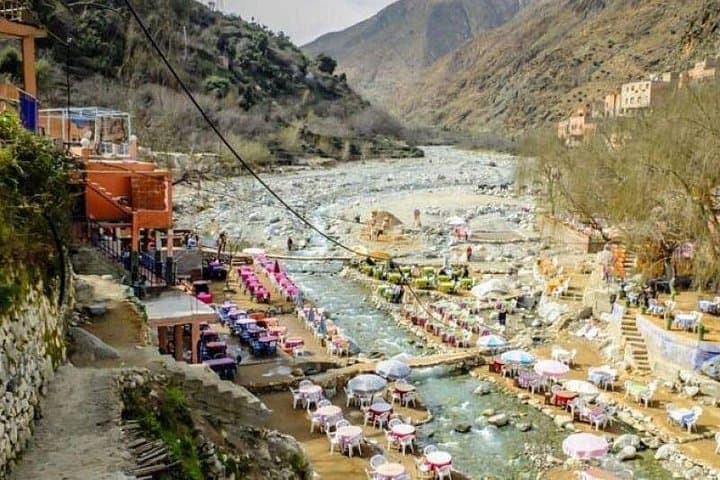
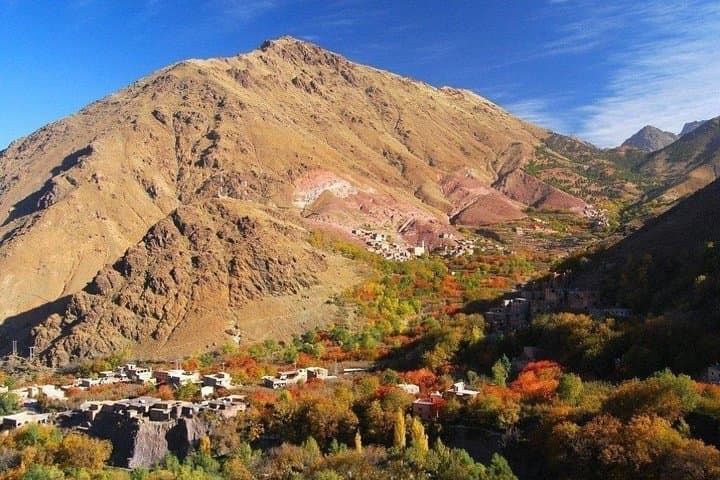
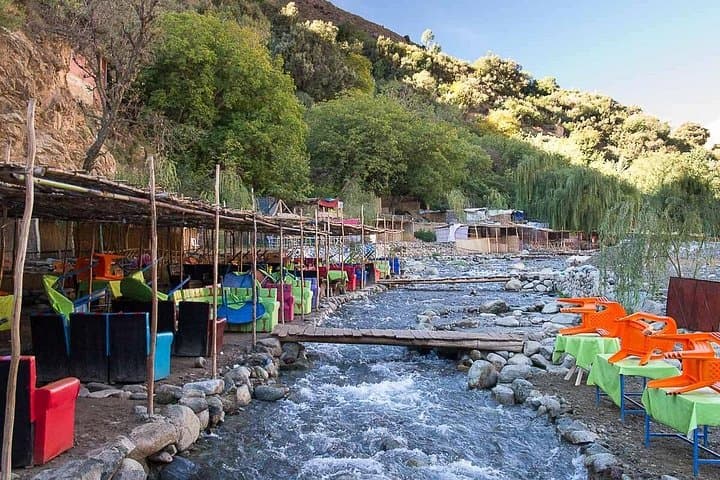
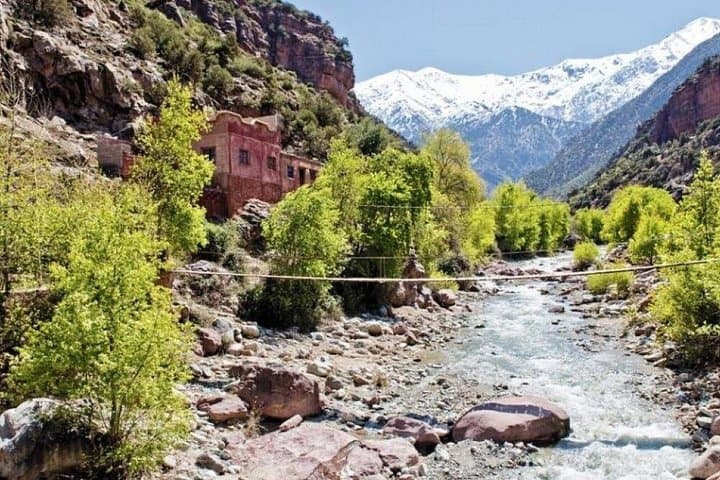
The Ourika Valley opens like a low-angled amphitheater carved by the Ourika River, with villages clinging to terraces and the hamlet of Setti Fatma as the day’s focal point. Geologically the valley is the work of fluvial erosion on Mesozoic sedimentary rock and older metamorphic foothills of the Atlas; the river has cut a corridor that supports lush vegetation uncommon on the surrounding plains.
This landscape has been home to Amazigh (Berber) communities for centuries—houses of red earth and flat roofs, markets where argan oil and handwoven textiles are sold, and trails that link villages. Local guides will point out irrigation terraces, communal water channels and small orchards of figs and pomegranates while translating village life for visitors.
Expect a mix of paved driving, short village walks, and a steep but well-trodden hike to the Setti Fatma waterfalls (allow 45–90 minutes round trip depending on pace). Trails can be rocky and muddy after rain; footwear with traction is important. Bring water, sun protection and modest clothing for village visits. Peak photo windows are late morning and late afternoon when the sun scours the valley sides and shadows define the ridgelines.
It’s a full-day, accessible taste of the Atlas—good for travelers who want dramatic views, short hikes, cultural encounters, and a straightforward logistics package back to Marrakech by evening.
moderate.
8 hours.
Moderate fitness for short uphill hikes and all-day touring; able to walk 45–90 minutes on uneven surfaces.
Yes—this private day trip includes pick up and drop off from most Marrakech hotels and riads.
The route to the main Setti Fatma falls is a moderate, well-used trail with uneven footing; expect 45–90 minutes round trip depending on stops.
Basic cafes and public restrooms are available in Setti Fatma; options are simple local fare—pack snacks if you prefer specific diets.
Yes, for people comfortable with short hikes; infants may need to sit on laps during transport and some walking can be steep.
The Ourika Valley has been inhabited by Amazigh (Berber) communities for centuries and served as a seasonal agricultural zone and trade corridor linking Marrakech with Atlas foothill villages.
Visitors should stick to marked trails, avoid disturbing irrigation channels, and support local co-ops to keep tourism benefits in the community; water in the valley is a limited resource and should be used sparingly.
Todo marruecos operates guided outdoor trips and adventures with an emphasis on safety, stewardship, and memorable experiences.
Morning light thins out of Marrakech as the minivan climbs toward the High Atlas; olive groves and terraced fields slip by and the air becomes cooler and sharper.
Morning light thins out of Marrakech as the minivan climbs toward the High Atlas; olive groves and terraced fields slip by and the air becomes cooler and sharper.
The Ourika Valley opens like a low-angled amphitheater carved by the Ourika River, with villages clinging to terraces and the hamlet of Setti Fatma as the day’s focal point. Geologically the valley is the work of fluvial erosion on Mesozoic sedimentary rock and older metamorphic foothills of the Atlas; the river has cut a corridor that supports lush vegetation uncommon on the surrounding plains.
This landscape has been home to Amazigh (Berber) communities for centuries—houses of red earth and flat roofs, markets where argan oil and handwoven textiles are sold, and trails that link villages. Local guides will point out irrigation terraces, communal water channels and small orchards of figs and pomegranates while translating village life for visitors.
Expect a mix of paved driving, short village walks, and a steep but well-trodden hike to the Setti Fatma waterfalls (allow 45–90 minutes round trip depending on pace). Trails can be rocky and muddy after rain; footwear with traction is important. Bring water, sun protection and modest clothing for village visits. Peak photo windows are late morning and late afternoon when the sun scours the valley sides and shadows define the ridgelines.
It’s a full-day, accessible taste of the Atlas—good for travelers who want dramatic views, short hikes, cultural encounters, and a straightforward logistics package back to Marrakech by evening.