THE ADVENTURE COLLECTIVE® · Independent discovery and booking for outdoor travel

Escape Marrakech for a day in the Ourika Valley: short hikes to cascading falls, visits to Berber villages, herb gardens and sweeping Atlas foothill views. Practical tips on timing, footwear and what to expect on this accessible day trip.
Escape Marrakech for a day in the Ourika Valley: short hikes to cascading falls, visits to Berber villages, herb gardens and sweeping Atlas foothill views. Practical tips on timing, footwear and what to expect on this accessible day trip.
You leave Marrakech and the city’s heat shutters behind as the road climbs toward the southern foothills of the High Atlas. Olive groves and roadside stalls slide past the van window, and the valley opens into a ribbon of river, orchards and low stone villages. By mid-morning you’re at Setti Fatma, where a short trail threads up through terraces to a string of cool, tumbling waterfalls that push the air with spray.
Verified experiences and guided adventures in the surrounding area.
Operated by STE Easy Transfers · Ourika Valley, Marrakech-Safi
You leave Marrakech and the city’s heat shutters behind as the road climbs toward the southern foothills of the High Atlas. Olive groves and roadside stalls slide past the van window, and the valley opens into a ribbon of river, orchards and low stone villages. By mid-morning you’re at Setti Fatma, where a short trail threads up through terraces to a string of cool, tumbling waterfalls that push the air with spray.
The Ourika Valley has long been a corridor between Marrakech and the mountain interior. Berber families have farmed these slopes for centuries, carving terraces into the rhyolite and schist soils and growing mint, almonds and walnuts. Geologically the valley is the product of river incision at the Atlas foothills; rock beds tilt and fracture here, creating the cascade steps that give Setti Fatma its falls.
Culturally the visit centers on small-scale hospitality: markets where you can sample preserved lemons and spices, and family-run herb gardens where mint tea is poured like a performance. Wildlife is subtle — lizards sun on rocks and raptors glide above the ridges.
Practical guidance: expect a 6-hour excursion with hotel pickup by air-conditioned minivan; road time from central Marrakech is roughly 1–1.5 hours each way depending on traffic. The waterfall hike is short but steep in places—sturdy shoes and a moderate level of mobility make it easier. Carry water, sunscreen and cash for small purchases. Leave no trace, listen to local guides, and schedule mornings to avoid peak heat and busy afternoon crowds.
easy.
5–7 hours.
Suitable for most fitness levels; must be able to manage short uphill sections and uneven steps.
Expect about 1–1.5 hours each way by minivan depending on traffic and your hotel’s location.
The hike is short but includes uneven, sometimes steep sections—suitable for most visitors with basic mobility and proper shoes.
Inclusions vary by operator; the itinerary often allows time for a local lunch or café visit, but confirm with the tour provider ahead of time.
Yes—infants typically must sit on an adult’s lap and specialized infant seats may be available; check the operator’s policies before booking.
The valley has been inhabited by Berber communities for centuries; terrace agriculture and seasonal markets reflect a long pattern of mountain-lowland exchange.
Tourism pressures and water use affect fragile stream ecosystems—stick to trails, avoid single-use plastics, and buy from local producers to support community-based stewardship.
STE Easy Transfers operates guided outdoor trips and adventures with an emphasis on safety, stewardship, and memorable experiences.
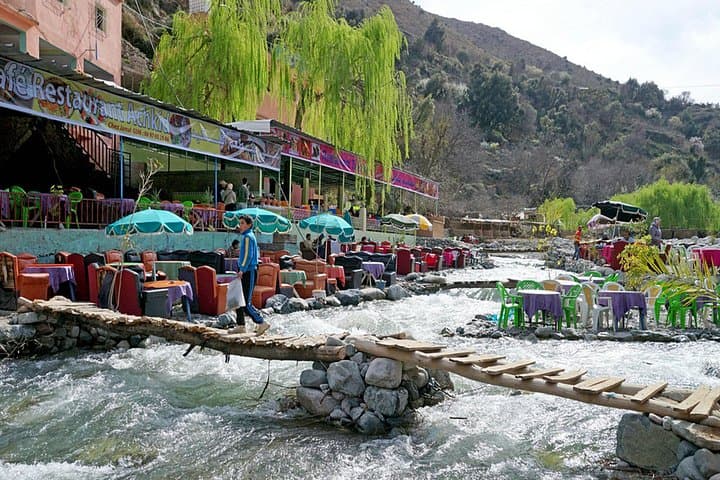
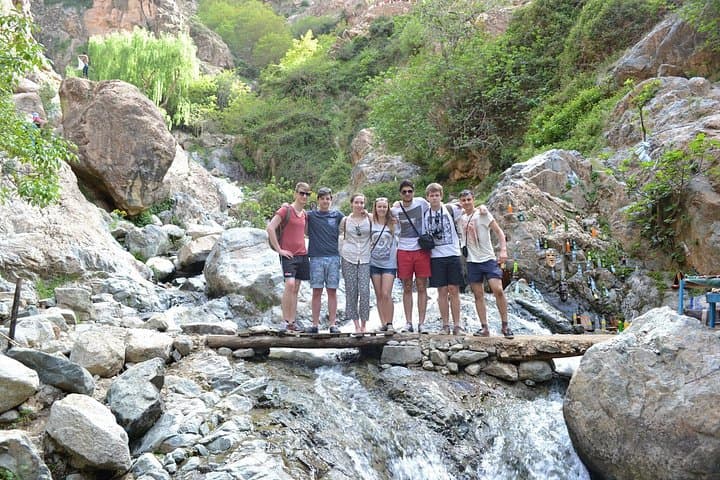
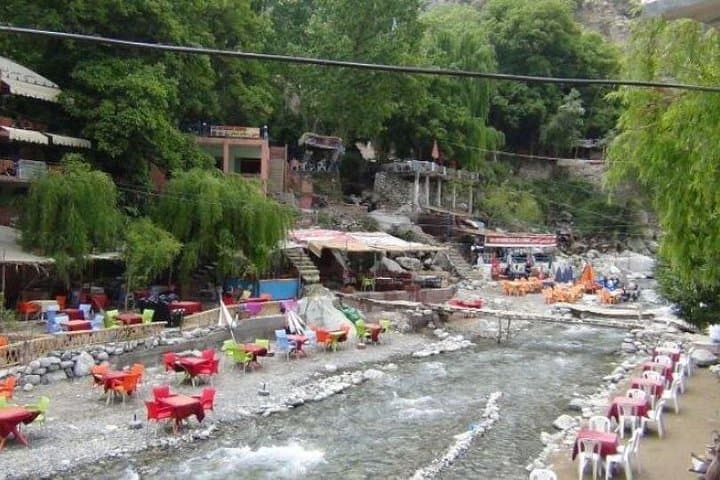
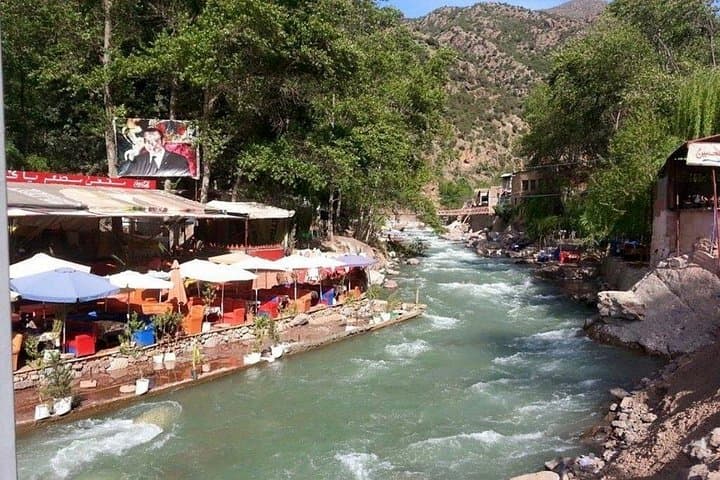
You leave Marrakech and the city’s heat shutters behind as the road climbs toward the southern foothills of the High Atlas. Olive groves and roadside stalls slide past the van window, and the valley opens into a ribbon of river, orchards and low stone villages. By mid-morning you’re at Setti Fatma, where a short trail threads up through terraces to a string of cool, tumbling waterfalls that push the air with spray.
You leave Marrakech and the city’s heat shutters behind as the road climbs toward the southern foothills of the High Atlas. Olive groves and roadside stalls slide past the van window, and the valley opens into a ribbon of river, orchards and low stone villages. By mid-morning you’re at Setti Fatma, where a short trail threads up through terraces to a string of cool, tumbling waterfalls that push the air with spray.
The Ourika Valley has long been a corridor between Marrakech and the mountain interior. Berber families have farmed these slopes for centuries, carving terraces into the rhyolite and schist soils and growing mint, almonds and walnuts. Geologically the valley is the product of river incision at the Atlas foothills; rock beds tilt and fracture here, creating the cascade steps that give Setti Fatma its falls.
Culturally the visit centers on small-scale hospitality: markets where you can sample preserved lemons and spices, and family-run herb gardens where mint tea is poured like a performance. Wildlife is subtle — lizards sun on rocks and raptors glide above the ridges.
Practical guidance: expect a 6-hour excursion with hotel pickup by air-conditioned minivan; road time from central Marrakech is roughly 1–1.5 hours each way depending on traffic. The waterfall hike is short but steep in places—sturdy shoes and a moderate level of mobility make it easier. Carry water, sunscreen and cash for small purchases. Leave no trace, listen to local guides, and schedule mornings to avoid peak heat and busy afternoon crowds.