THE ADVENTURE COLLECTIVE® · Independent discovery and booking for outdoor travel

Trade Marrakech’s bustle for a day of river trails, terraced farms and the Setti Fatma waterfalls in the Ourika Valley. This guided full-day trip combines a scenic drive, short hikes and visits to traditional Berber homes—perfect for travelers seeking easy mountain scenery with cultural context.
Trade Marrakech’s bustle for a day of river trails, terraced farms and the Setti Fatma waterfalls in the Ourika Valley. This guided full-day trip combines a scenic drive, short hikes and visits to traditional Berber homes—perfect for travelers seeking easy mountain scenery with cultural context.
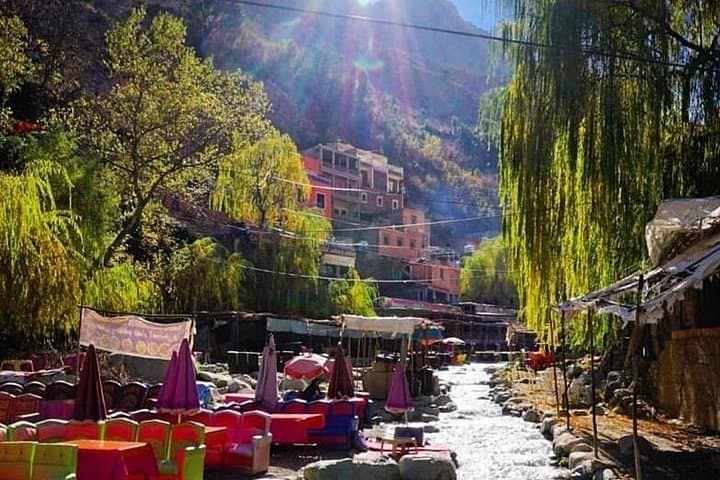
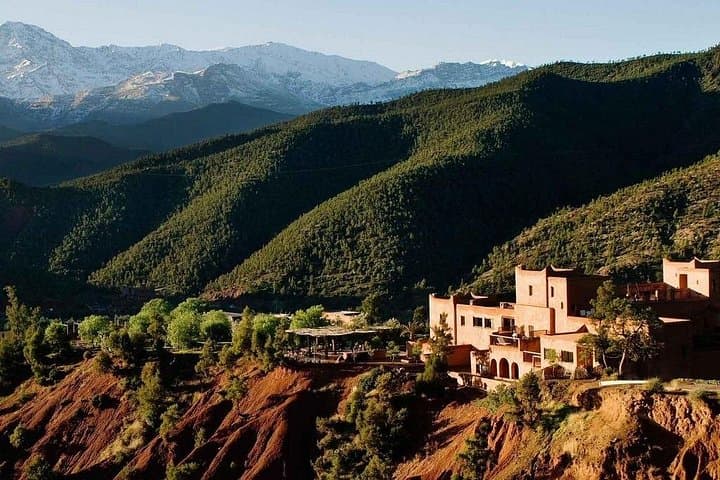
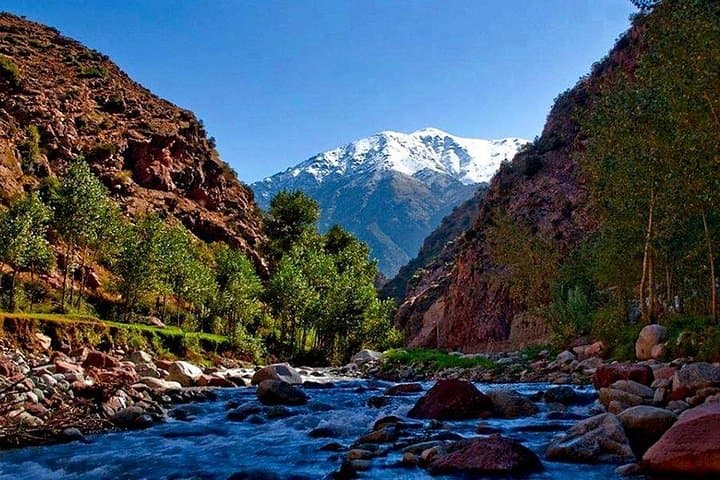
A cool morning drive peels out of Marrakech and the city’s heat gives way to a green ribbon of river and terraced farms. The road into Ourika Valley curves under low Atlas ridges; olive groves and stone houses slide past the window as the air takes on the scent of river moss and wood smoke.
Verified experiences and guided adventures in the surrounding area.
Operated by marrakech get your guide · Ourika Valley, Marrakech-Safi
A cool morning drive peels out of Marrakech and the city’s heat gives way to a green ribbon of river and terraced farms. The road into Ourika Valley curves under low Atlas ridges; olive groves and stone houses slide past the window as the air takes on the scent of river moss and wood smoke.
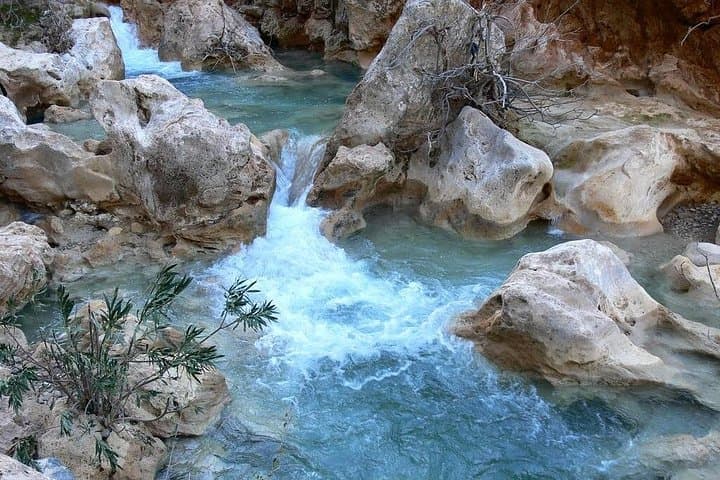
Geologically, the valley is a river-carved incision into the foothills of the High Atlas—soft alluvial terraces punctuated by harder bedrock that forces water into a sequence of falls at Setti Fatma. Culturally, the route threads through Berber villages where houses are built of local stone and community life still revolves around seasonal crops and market days. A typical guided day includes a visit to a local family, short village walks and a trek to the waterfalls that locals maintain as both resource and gathering place.
Expect a 45–60 minute drive each way from Marrakech and a waterfall hike of roughly 3 km round-trip with 200–300 m of ascent spread over uneven stone steps and dirt tracks. Terrain alternates between shaded riverside paths and exposed hillsides—shoes with grip matter. Weather swings quickly: mornings are cool, afternoons warm and dusty.
Practical tips: start early to avoid mid-day crowds, carry 1–2 liters of water, and bring small change for local purchases or a tea stop. Respect private homes and ask before photographing people. A guided tour simplifies logistics—pickups, local introductions and a paced hike make it a solid full-day escape from Marrakech.
moderate.
8 hours (full day).
Light to moderate fitness required—able to walk uneven terrain for up to 2 hours and manage short steep sections.
Expect about 45–60 minutes each way depending on traffic; organized tours include round-trip transfers.
Yes—many sections are easy, but there are uneven steps and stream crossings; assess mobility and take it slow or skip the upper falls if needed.
Most standard tours include light refreshments or a village tea stop; check the specific tour for lunch inclusion or plan to bring snacks or cash for a local meal.
You can visit independently by private transport, but guides handle navigation, local introductions and parking logistics, making a day visit more convenient.
The valley has been inhabited by Amazigh (Berber) communities for centuries; terraces and irrigation reflect long-standing mountain agriculture adapted to seasonal water flow.
Tourism here is light but growing; stick to trails, avoid disturbing village gardens, and buy locally made goods to support small household economies.
marrakech get your guide operates guided outdoor trips and adventures with an emphasis on safety, stewardship, and memorable experiences.
A cool morning drive peels out of Marrakech and the city’s heat gives way to a green ribbon of river and terraced farms. The road into Ourika Valley curves under low Atlas ridges; olive groves and stone houses slide past the window as the air takes on the scent of river moss and wood smoke.
A cool morning drive peels out of Marrakech and the city’s heat gives way to a green ribbon of river and terraced farms. The road into Ourika Valley curves under low Atlas ridges; olive groves and stone houses slide past the window as the air takes on the scent of river moss and wood smoke.
Geologically, the valley is a river-carved incision into the foothills of the High Atlas—soft alluvial terraces punctuated by harder bedrock that forces water into a sequence of falls at Setti Fatma. Culturally, the route threads through Berber villages where houses are built of local stone and community life still revolves around seasonal crops and market days. A typical guided day includes a visit to a local family, short village walks and a trek to the waterfalls that locals maintain as both resource and gathering place.
Expect a 45–60 minute drive each way from Marrakech and a waterfall hike of roughly 3 km round-trip with 200–300 m of ascent spread over uneven stone steps and dirt tracks. Terrain alternates between shaded riverside paths and exposed hillsides—shoes with grip matter. Weather swings quickly: mornings are cool, afternoons warm and dusty.
Practical tips: start early to avoid mid-day crowds, carry 1–2 liters of water, and bring small change for local purchases or a tea stop. Respect private homes and ask before photographing people. A guided tour simplifies logistics—pickups, local introductions and a paced hike make it a solid full-day escape from Marrakech.