THE ADVENTURE COLLECTIVE® · Independent discovery and booking for outdoor travel

Escape Marrakech for a private day in the High Atlas: follow the Ourika River to Setti Fadma’s waterfalls, visit Berber homes, and walk rocky streams carved by snowmelt. This practical guide covers what to expect and how to prepare for the 8–9 hour excursion.
Escape Marrakech for a private day in the High Atlas: follow the Ourika River to Setti Fadma’s waterfalls, visit Berber homes, and walk rocky streams carved by snowmelt. This practical guide covers what to expect and how to prepare for the 8–9 hour excursion.
The road unfurls from Marrakech into olive groves, and within an hour the asphalt narrows and the Atlas Mountains begin to assert themselves—rock faces rising, streams stitching through terraces. In the Ourika Valley a cool river dares you to follow it upriver toward the cluster of cafés and the trailhead at Setti Fadma, where a sequence of waterfalls chisels terraces into the hillside.
Verified experiences and guided adventures in the surrounding area.
Operated by Safari Desert Tours · Setti Fadma / Ourika Valley, Marrakech-Safi
The road unfurls from Marrakech into olive groves, and within an hour the asphalt narrows and the Atlas Mountains begin to assert themselves—rock faces rising, streams stitching through terraces. In the Ourika Valley a cool river dares you to follow it upriver toward the cluster of cafés and the trailhead at Setti Fadma, where a sequence of waterfalls chisels terraces into the hillside.
Geologically the valley is part of the High Atlas: folded sedimentary rock and ancient volcanic intrusions carved by rivers and seasonal snowmelt. The region’s human history is equally visible—Berber villages perched on slopes, terraces of almond and walnut trees, and centuries-old practices like manual argan oil pressing by local women.
On this private day trip travelers can expect a measured mix of road travel, a guided 1.5‑hour waterfall walk, and cultural stops including a visit to a Berber home and optional camel ride. The trail to the falls is rocky and occasionally steep; river crossings and loose scree ask for attention but not technical gear. Cafés along the river serve mint tea and tagine for lunch, and small markets in Tnine Ourika give a window into local life.
Plan practicalities: start early to avoid midday crowds, wear sturdy hiking shoes, bring layered clothing for changing mountain sun and shade, and carry cash for small purchases and tips. Hydration and sun protection are essential—bottled water is usually provided in the vehicle, but extra is wise for the walk. The trip balances easy cultural access with enough terrain to feel like a real mountain day, suited to most fitness levels.
moderate.
8–9 hours.
Moderate fitness for a 1.5‑hour uphill walk with uneven terrain; able to handle steps and short, steep stretches.
The guided walk to the main waterfalls is roughly 1.5 hours round trip, depending on pace and stops for photos.
Yes—many parts are family-friendly; however the uphill trail has uneven ground so assess mobility and consider skipping the full walk if needed.
Lunch is typically at a local riverside restaurant and is optional; bottled water is included in most tour packages.
Yes, the itinerary commonly includes a visit to a Berber family house with mint tea; be respectful and ask before photographing people or interiors.
The Ourika Valley has long been inhabited by Berber (Amazigh) communities who farm terraces and trade at weekly souks; the area sits on historic mountain routes connecting inland villages to Marrakech.
Visitors should stick to marked paths to limit erosion, avoid disturbing village life, and support local guides and businesses to ensure tourism benefits the community.
Safari Desert Tours operates guided outdoor trips and adventures with an emphasis on safety, stewardship, and memorable experiences.
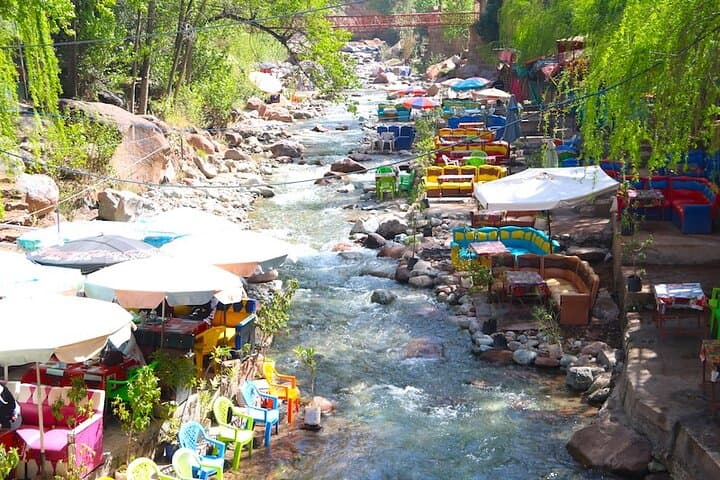
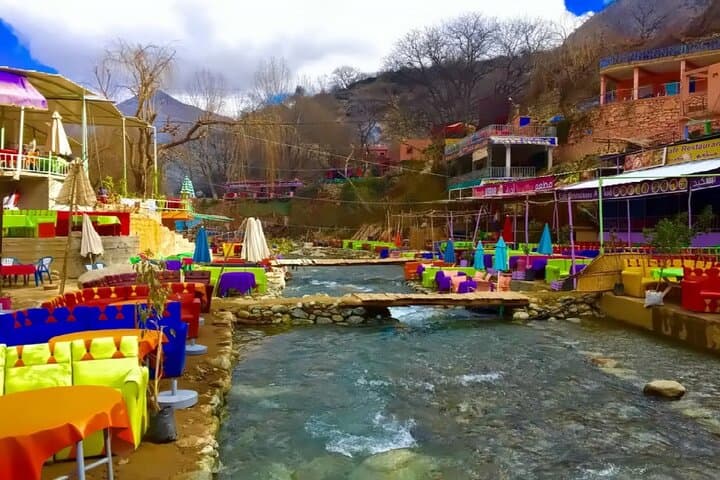
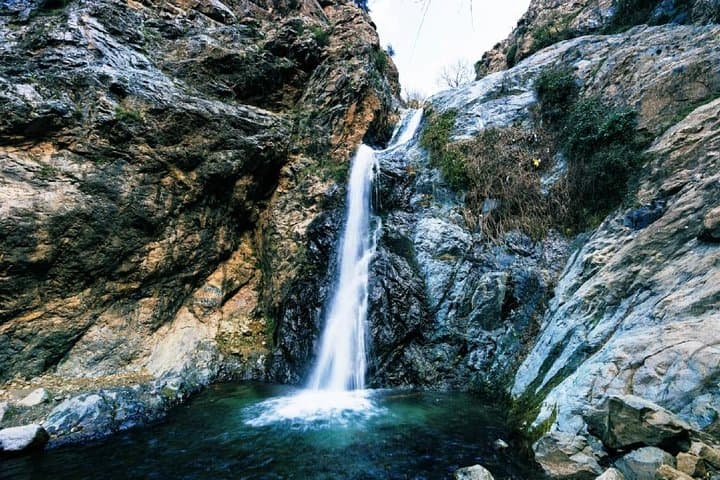
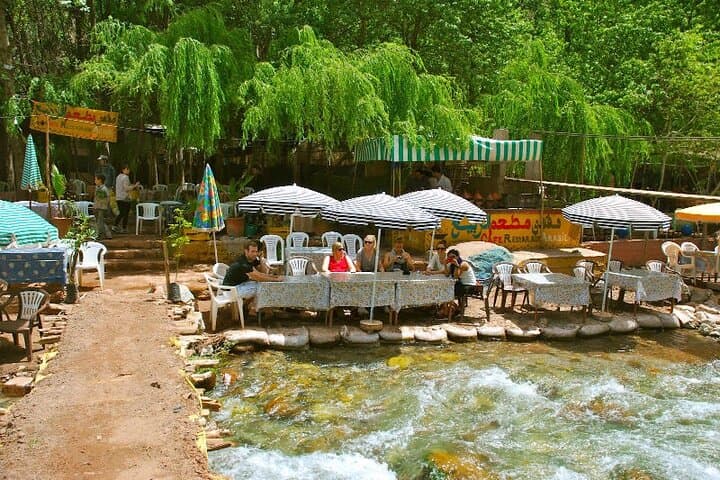
The road unfurls from Marrakech into olive groves, and within an hour the asphalt narrows and the Atlas Mountains begin to assert themselves—rock faces rising, streams stitching through terraces. In the Ourika Valley a cool river dares you to follow it upriver toward the cluster of cafés and the trailhead at Setti Fadma, where a sequence of waterfalls chisels terraces into the hillside.
The road unfurls from Marrakech into olive groves, and within an hour the asphalt narrows and the Atlas Mountains begin to assert themselves—rock faces rising, streams stitching through terraces. In the Ourika Valley a cool river dares you to follow it upriver toward the cluster of cafés and the trailhead at Setti Fadma, where a sequence of waterfalls chisels terraces into the hillside.
Geologically the valley is part of the High Atlas: folded sedimentary rock and ancient volcanic intrusions carved by rivers and seasonal snowmelt. The region’s human history is equally visible—Berber villages perched on slopes, terraces of almond and walnut trees, and centuries-old practices like manual argan oil pressing by local women.
On this private day trip travelers can expect a measured mix of road travel, a guided 1.5‑hour waterfall walk, and cultural stops including a visit to a Berber home and optional camel ride. The trail to the falls is rocky and occasionally steep; river crossings and loose scree ask for attention but not technical gear. Cafés along the river serve mint tea and tagine for lunch, and small markets in Tnine Ourika give a window into local life.
Plan practicalities: start early to avoid midday crowds, wear sturdy hiking shoes, bring layered clothing for changing mountain sun and shade, and carry cash for small purchases and tips. Hydration and sun protection are essential—bottled water is usually provided in the vehicle, but extra is wise for the walk. The trip balances easy cultural access with enough terrain to feel like a real mountain day, suited to most fitness levels.