THE ADVENTURE COLLECTIVE® · Independent discovery and booking for outdoor travel

A one-day escape from Marrakech that follows the Ourika River into the High Atlas where short hikes lead to cascading waterfalls and small Berber villages. Practical for all fitness levels, this trip combines easy walking, cultural encounters and riverside lunches.
A one-day escape from Marrakech that follows the Ourika River into the High Atlas where short hikes lead to cascading waterfalls and small Berber villages. Practical for all fitness levels, this trip combines easy walking, cultural encounters and riverside lunches.
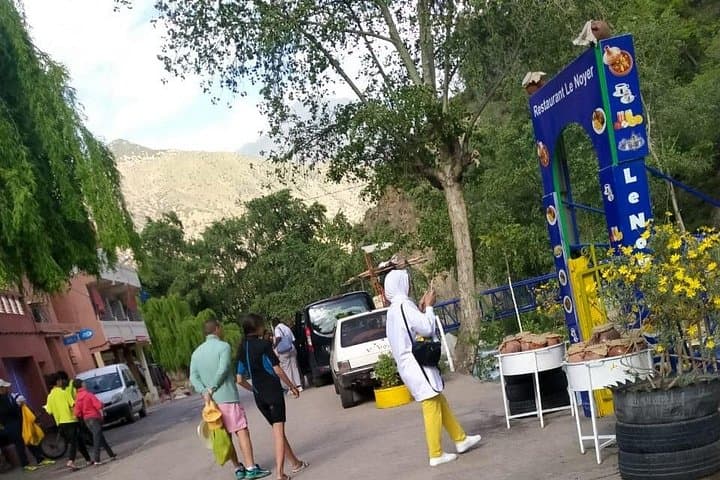
You leave the ochre heat of Marrakech and the road narrows into a ribbon that climbs toward the High Atlas. Olive groves and terraced fields slide past the window; when the car stops at the valley mouth the river is already speaking—cool, constant, urging you upstream.
Verified experiences and guided adventures in the surrounding area.
Operated by Travel Plans Marrakech - Day Tours · Ourika, Marrakesh-Safi
You leave the ochre heat of Marrakech and the road narrows into a ribbon that climbs toward the High Atlas. Olive groves and terraced fields slide past the window; when the car stops at the valley mouth the river is already speaking—cool, constant, urging you upstream.
The Ourika Valley has long been a living landscape of Berber farming communities. Geologically it's a transition zone where volcanic and sedimentary rocks give way to steep, eroded ridges and narrow gorges carved by seasonal runoff. The villages here retain simple stone houses, flat roofs and a reliance on mule tracks and spring-fed irrigation.
Culturally, visits center on small-scale encounters: a tea offered on a low table, women selling hand-knitted textiles, and a guide pointing out terraces where almonds and figs grow. The most common short walk follows the river to a series of cascades—Setti Fatma’s waterfalls—over uneven stone paths and shallow stream crossings.
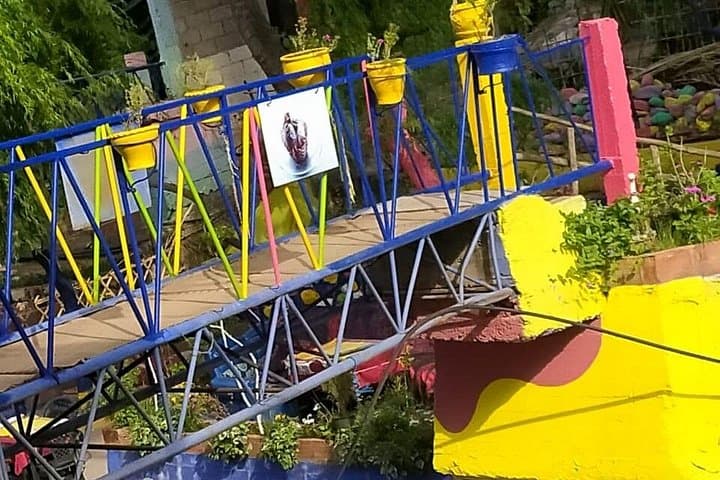
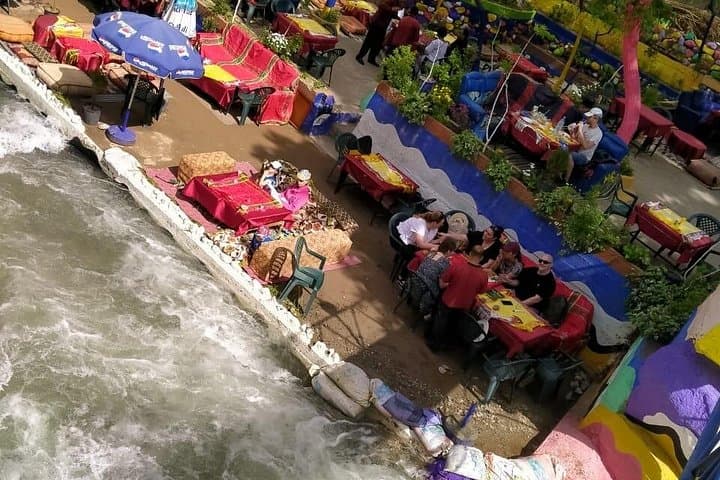
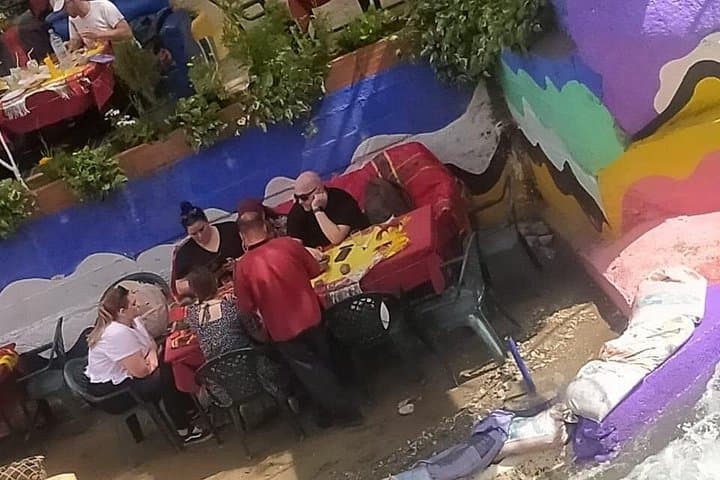
Practical guidance: expect a full day (about eight hours including drive time). Wear sturdy shoes—the trail is rocky and can be slippery after rain—and carry 1–2 liters of water, a light layer for higher elevations, and cash for lunch at a riverside restaurant. Plan to start early from Marrakech to avoid midday crowds and to have time to explore small tea houses across the river. Respect private land and ask before photographing people. The river dares you to linger; let the current set the pace, but keep a practical eye on weather and footing for a safe, authentic day in the Atlas.
easy.
8 hours.
Suitable for general fitness; involves short, uneven hikes and basic walking ability
The valley is about 30–45 minutes to 1 hour by car from central Marrakech, depending on traffic and your exact drop-off point.
Short riverside walks to the lower cascades are generally suitable for children and active seniors, but steeper sections and uneven rocks may be challenging.
Lunch at a traditional riverside restaurant is typically not included—bring cash for a set menu or snacks at local establishments.
A local guide enhances cultural insights and navigation; many tours include a driver and local guide for short hikes to the waterfalls.
The Ourika Valley has been inhabited for centuries by Amazigh (Berber) communities who farm terraces and maintain traditional crafts and hospitality.
Increased day tourism can strain water and waste systems—stick to marked paths, pack out trash and buy from local vendors to support the valley economy.
Travel Plans Marrakech - Day Tours operates guided outdoor trips and adventures with an emphasis on safety, stewardship, and memorable experiences.
You leave the ochre heat of Marrakech and the road narrows into a ribbon that climbs toward the High Atlas. Olive groves and terraced fields slide past the window; when the car stops at the valley mouth the river is already speaking—cool, constant, urging you upstream.
You leave the ochre heat of Marrakech and the road narrows into a ribbon that climbs toward the High Atlas. Olive groves and terraced fields slide past the window; when the car stops at the valley mouth the river is already speaking—cool, constant, urging you upstream.
The Ourika Valley has long been a living landscape of Berber farming communities. Geologically it's a transition zone where volcanic and sedimentary rocks give way to steep, eroded ridges and narrow gorges carved by seasonal runoff. The villages here retain simple stone houses, flat roofs and a reliance on mule tracks and spring-fed irrigation.
Culturally, visits center on small-scale encounters: a tea offered on a low table, women selling hand-knitted textiles, and a guide pointing out terraces where almonds and figs grow. The most common short walk follows the river to a series of cascades—Setti Fatma’s waterfalls—over uneven stone paths and shallow stream crossings.
Practical guidance: expect a full day (about eight hours including drive time). Wear sturdy shoes—the trail is rocky and can be slippery after rain—and carry 1–2 liters of water, a light layer for higher elevations, and cash for lunch at a riverside restaurant. Plan to start early from Marrakech to avoid midday crowds and to have time to explore small tea houses across the river. Respect private land and ask before photographing people. The river dares you to linger; let the current set the pace, but keep a practical eye on weather and footing for a safe, authentic day in the Atlas.