THE ADVENTURE COLLECTIVE® · Independent discovery and booking for outdoor travel

Escape Marrakech for a day and hike to the Setti Fatma waterfalls, visit a Berber house and argan cooperative, and dine beside the Ourika River. Practical, scenic, and culturally rich, this 6–8 hour trip suits travelers with moderate fitness.
Escape Marrakech for a day and hike to the Setti Fatma waterfalls, visit a Berber house and argan cooperative, and dine beside the Ourika River. Practical, scenic, and culturally rich, this 6–8 hour trip suits travelers with moderate fitness.
A cool wind off the High Atlas meets the heat of Marrakech as the van climbs out of the plain and into a serrated landscape of stone and green. Within an hour the city noise thins and terraced fields, mud-brick houses and river gullies come into focus; Setti Fatma appears as a cluster of whitewashed buildings clinging to a slope, the water beyond conspiring to pull you uphill.
Verified experiences and guided adventures in the surrounding area.
Operated by Morocco First Gate · Setti Fatma (Ourika Valley), Marrakech-Safi
A cool wind off the High Atlas meets the heat of Marrakech as the van climbs out of the plain and into a serrated landscape of stone and green. Within an hour the city noise thins and terraced fields, mud-brick houses and river gullies come into focus; Setti Fatma appears as a cluster of whitewashed buildings clinging to a slope, the water beyond conspiring to pull you uphill.
The Ourika Valley is shaped by volcanic and metamorphic rock that splits into steep valleys, forcing people to farm narrow terraces for generations. The Amazigh (Berber) communities here live by those terraces and by argan trees; small cooperatives process oil and produce handicrafts that reflect centuries of local practice.
Culturally, a guided visit offers direct contact with village life: simple stone houses, women’s argan cooperatives, and a market rhythm on Monday where local produce and textiles change hands. Geologically, the waterfalls at Setti Fatma collect runoff from winter snows higher in the Atlas, creating reliable cascades through spring and early summer.
Practical guidance: the day trip is 6–8 hours with light to moderate hiking—rough, stepped trails and stream crossings lead to viewpoints more than technical climbs. Wear grippy footwear, bring 1–2 liters of water, sun protection and cash for small purchases at cooperatives. Morning departures keep heat manageable; afternoon light is best for photos. Respect private property and ask before photographing inside homes. The route is well suited to travelers with moderate fitness who want a concentrated introduction to Atlas landscapes and Berber hospitality without overnight logistics.
moderate.
6–8 hours.
Moderate—able to hike uneven terrain for several hours with short elevation gains
The transfer is roughly 45–60 minutes each way depending on traffic and exact pickup location.
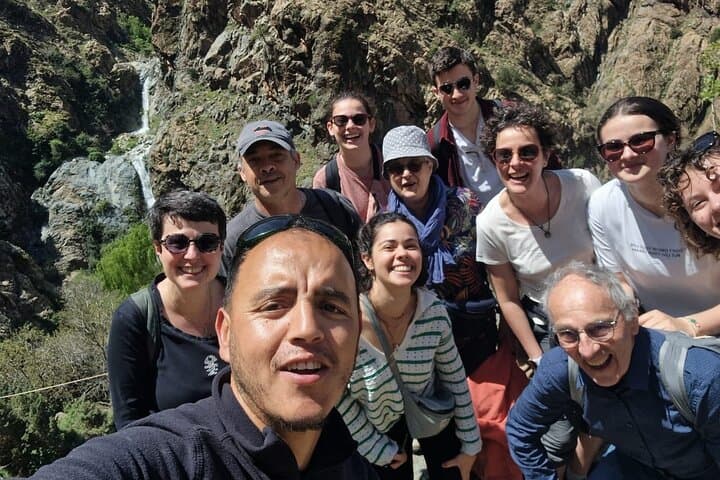
The hike is moderate: uneven stone steps and some stream crossings but no technical climbing—good footwear and steady balance suffice.
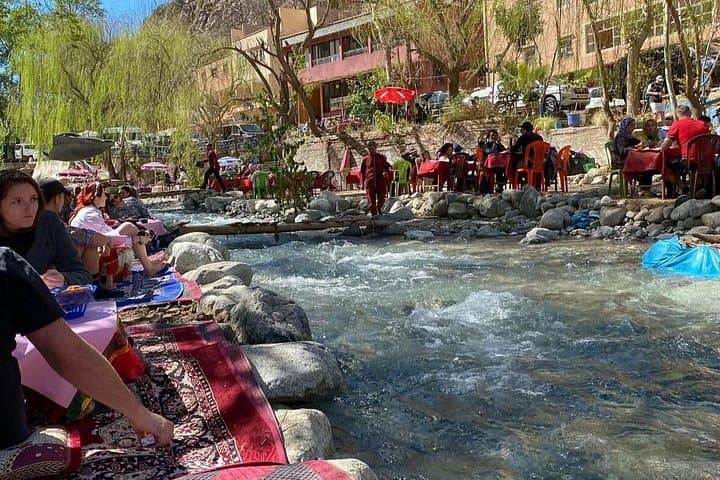
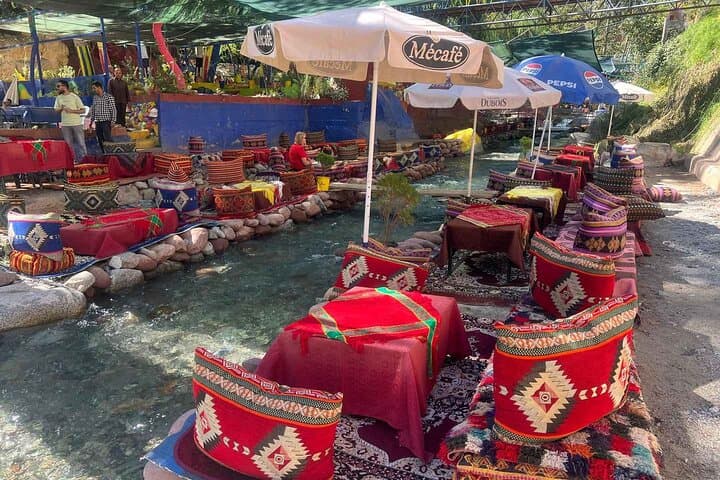
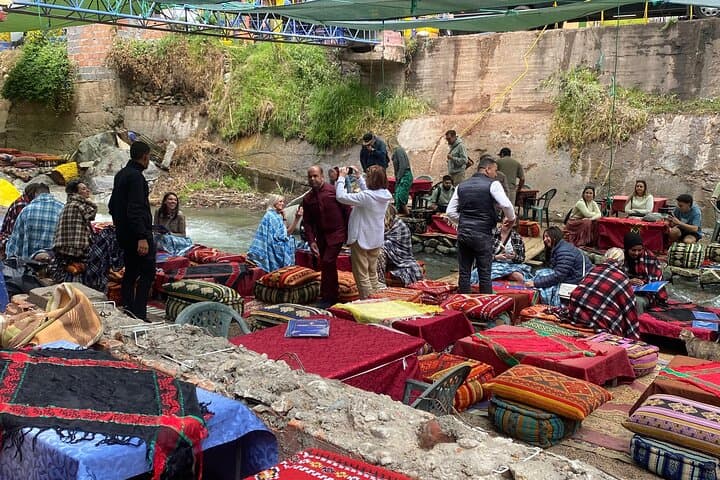
Lunch beside the river is included with the lunch option; otherwise you can pay locally at the restaurant.
Yes if they have moderate mobility; the trail can be steep in places, so travelers with serious back or heart issues should avoid it.
The valley has long been inhabited by Amazigh communities who developed terraced agriculture adapted to steep, rocky slopes and a semi-arid climate.
Water resources and argan woodlands are sensitive; support small local cooperatives and avoid leaving waste along trails to minimize impact.
Morocco First Gate operates guided outdoor trips and adventures with an emphasis on safety, stewardship, and memorable experiences.
A cool wind off the High Atlas meets the heat of Marrakech as the van climbs out of the plain and into a serrated landscape of stone and green. Within an hour the city noise thins and terraced fields, mud-brick houses and river gullies come into focus; Setti Fatma appears as a cluster of whitewashed buildings clinging to a slope, the water beyond conspiring to pull you uphill.
A cool wind off the High Atlas meets the heat of Marrakech as the van climbs out of the plain and into a serrated landscape of stone and green. Within an hour the city noise thins and terraced fields, mud-brick houses and river gullies come into focus; Setti Fatma appears as a cluster of whitewashed buildings clinging to a slope, the water beyond conspiring to pull you uphill.
The Ourika Valley is shaped by volcanic and metamorphic rock that splits into steep valleys, forcing people to farm narrow terraces for generations. The Amazigh (Berber) communities here live by those terraces and by argan trees; small cooperatives process oil and produce handicrafts that reflect centuries of local practice.
Culturally, a guided visit offers direct contact with village life: simple stone houses, women’s argan cooperatives, and a market rhythm on Monday where local produce and textiles change hands. Geologically, the waterfalls at Setti Fatma collect runoff from winter snows higher in the Atlas, creating reliable cascades through spring and early summer.
Practical guidance: the day trip is 6–8 hours with light to moderate hiking—rough, stepped trails and stream crossings lead to viewpoints more than technical climbs. Wear grippy footwear, bring 1–2 liters of water, sun protection and cash for small purchases at cooperatives. Morning departures keep heat manageable; afternoon light is best for photos. Respect private property and ask before photographing inside homes. The route is well suited to travelers with moderate fitness who want a concentrated introduction to Atlas landscapes and Berber hospitality without overnight logistics.