THE ADVENTURE COLLECTIVE® · Independent discovery and booking for outdoor travel

A full-day, approachable drive from Marrakech into the High Atlas, the Ourika Valley offers short hikes to waterfalls, visits to argan cooperatives, and direct encounters with Amazigh village life. Read on for what to expect and how to prepare.
A full-day, approachable drive from Marrakech into the High Atlas, the Ourika Valley offers short hikes to waterfalls, visits to argan cooperatives, and direct encounters with Amazigh village life. Read on for what to expect and how to prepare.
Morning light strips the red city behind you and the road into the High Atlas begins to climb. The Ourika River threads down the valley, rocks chattering as it pushes you toward cedar slopes and terraced fields. Small stone houses appear on the hillsides; goats pick their way on exposed shale while the river dares you to follow its side paths.
Verified experiences and guided adventures in the surrounding area.
Operated by Morocco Holiday Trips · Ourika, Marrakesh-Safi
Morning light strips the red city behind you and the road into the High Atlas begins to climb. The Ourika River threads down the valley, rocks chattering as it pushes you toward cedar slopes and terraced fields. Small stone houses appear on the hillsides; goats pick their way on exposed shale while the river dares you to follow its side paths.
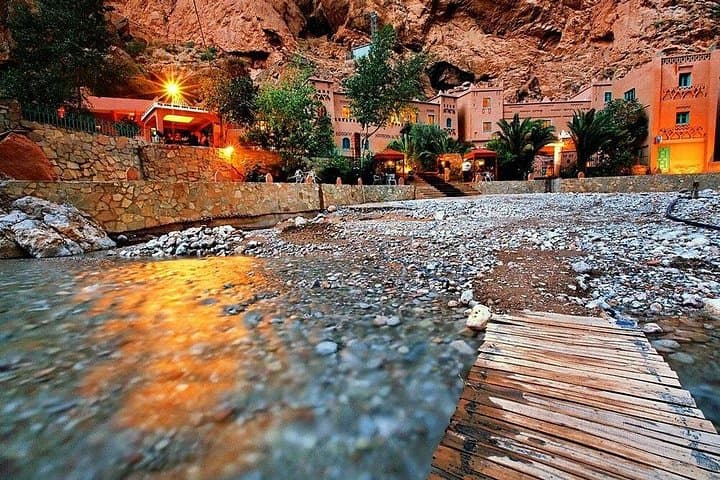
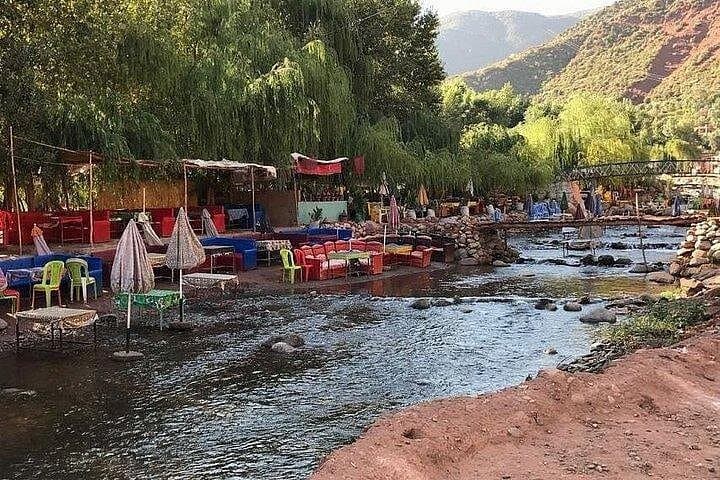
Geology here is raw: folded schist and shale carved by water over millennia, feeding narrow ravines and seasonal waterfalls—Setti Fatma’s cascades are the best-known. The valley is a living cultural landscape: Amazigh (Berber) families tend gardens, women extract argan oil by hand, and traditional guesthouses offer slow, savory breakfasts. The region’s human history is inseparable from its land-use patterns—terracing, irrigation channels and communal argan cooperatives that sustain villages.
On this full-day excursion expect a mix of short, optional hikes (uneven stone trails, low to moderate grades), a visit to an argan oil cooperative, and time at waterfalls. Guides usually include a Berber breakfast and local insights into farming and daily life.
Practical guidance: start early to avoid heat and crowds, wear sturdy shoes for slippery river rocks, and bring cash for small purchases at cooperatives. Hydrate frequently; cell coverage can be patchy in the upper valley. If you want quieter trails, continue beyond the main waterfall toward less-trodden paths for views down-valley and across to the higher ridgelines.
easy.
6–8 hours.
Suitable for average fitness; optional short hikes with uneven footing and gentle elevation
Most transfers take 45–75 minutes each way depending on traffic and exact pickup location.
The main paths are short but uneven; you can choose to walk just a few minutes or continue on steeper, rockier trails to higher cascades.
Yes—cooperatives sell freshly pressed oil; bring cash and inspect seals or sample quantities if offered.
The activity is generally family-friendly, but organizers note it is not recommended for pregnant travelers and some short hikes may be challenging with young children.
The Ourika Valley has been inhabited by Amazigh (Berber) communities for centuries; argan cultivation and terraced farming are long-standing local practices.
Argan forests are protected in parts of the region and local cooperatives promote sustainable harvesting; visitors should avoid disturbing fragile terraces and pack out waste.
Morocco Holiday Trips operates guided outdoor trips and adventures with an emphasis on safety, stewardship, and memorable experiences.
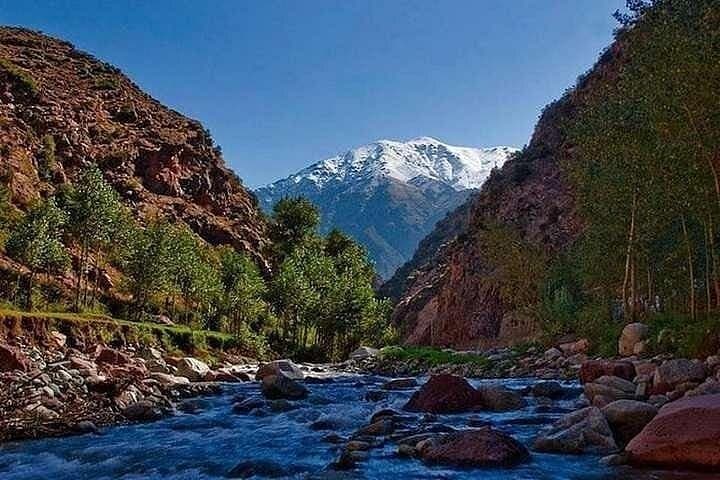
Morning light strips the red city behind you and the road into the High Atlas begins to climb. The Ourika River threads down the valley, rocks chattering as it pushes you toward cedar slopes and terraced fields. Small stone houses appear on the hillsides; goats pick their way on exposed shale while the river dares you to follow its side paths.
Morning light strips the red city behind you and the road into the High Atlas begins to climb. The Ourika River threads down the valley, rocks chattering as it pushes you toward cedar slopes and terraced fields. Small stone houses appear on the hillsides; goats pick their way on exposed shale while the river dares you to follow its side paths.
Geology here is raw: folded schist and shale carved by water over millennia, feeding narrow ravines and seasonal waterfalls—Setti Fatma’s cascades are the best-known. The valley is a living cultural landscape: Amazigh (Berber) families tend gardens, women extract argan oil by hand, and traditional guesthouses offer slow, savory breakfasts. The region’s human history is inseparable from its land-use patterns—terracing, irrigation channels and communal argan cooperatives that sustain villages.
On this full-day excursion expect a mix of short, optional hikes (uneven stone trails, low to moderate grades), a visit to an argan oil cooperative, and time at waterfalls. Guides usually include a Berber breakfast and local insights into farming and daily life.
Practical guidance: start early to avoid heat and crowds, wear sturdy shoes for slippery river rocks, and bring cash for small purchases at cooperatives. Hydrate frequently; cell coverage can be patchy in the upper valley. If you want quieter trails, continue beyond the main waterfall toward less-trodden paths for views down-valley and across to the higher ridgelines.