THE ADVENTURE COLLECTIVE® · Independent discovery and booking for outdoor travel

Follow the Ourika River from Marrakech into the High Atlas on an 8–9 hour day trip to Setti Fatma. Expect waterfalls, authentic Berber villages, short hillside hikes and local markets guided by experienced locals.
Follow the Ourika River from Marrakech into the High Atlas on an 8–9 hour day trip to Setti Fatma. Expect waterfalls, authentic Berber villages, short hillside hikes and local markets guided by experienced locals.
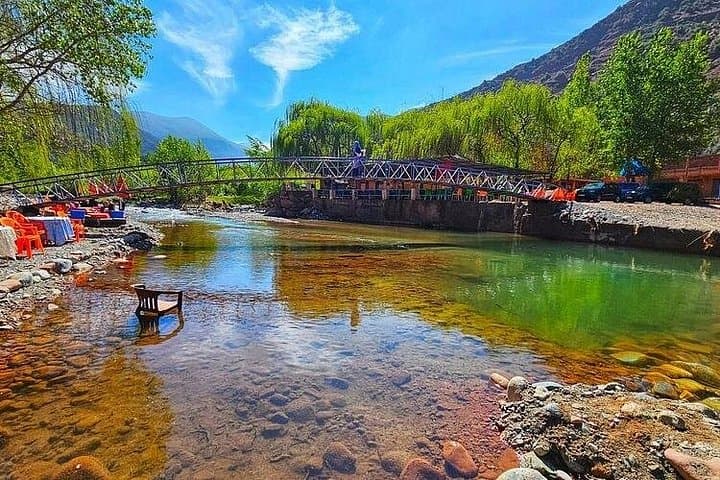
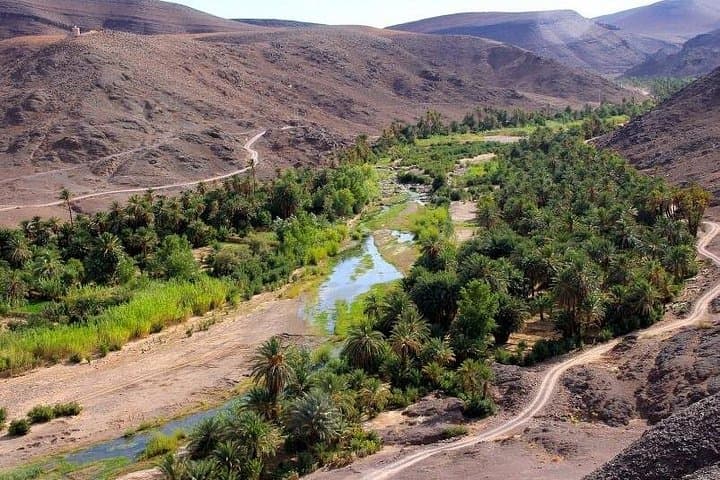
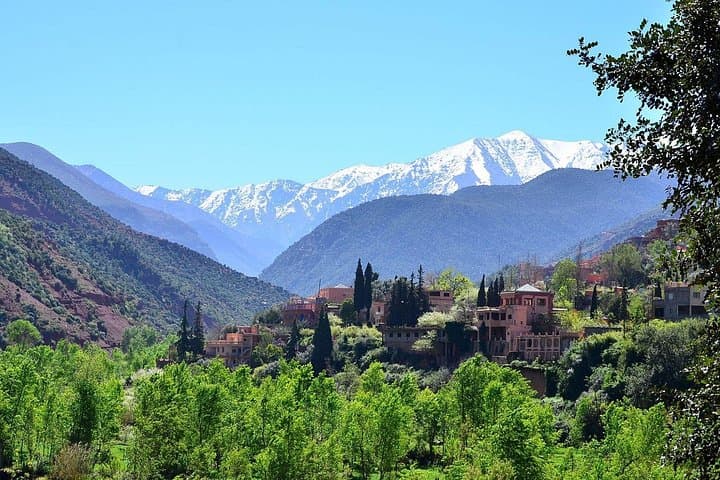
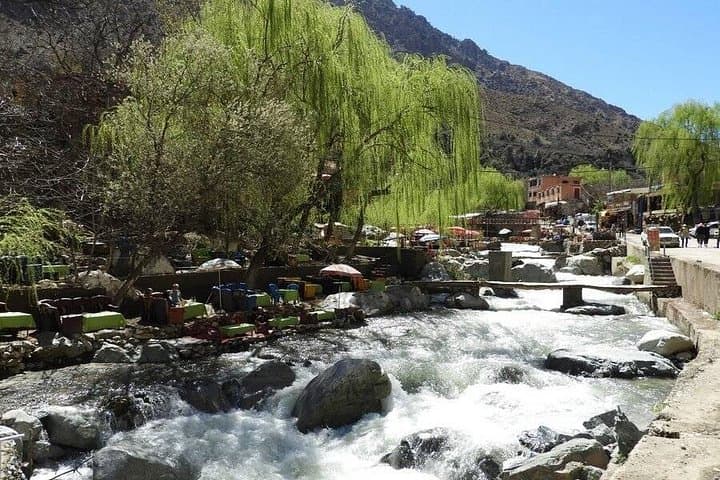
You climb into an air-conditioned vehicle in Marrakech as the city’s ochre walls slip behind you and the road leans toward the High Atlas. The river appears like a thread of green, daring you to follow it into terraces, olive groves and mule tracks. By mid-morning the air cools; Setti Fatma’s waterfalls begin to murmur and the foothills open to panoramas of layered rock.
Verified experiences and guided adventures in the surrounding area.
Operated by Morocco With Nasser · Marrakech, Marrakech-Safi
You climb into an air-conditioned vehicle in Marrakech as the city’s ochre walls slip behind you and the road leans toward the High Atlas. The river appears like a thread of green, daring you to follow it into terraces, olive groves and mule tracks. By mid-morning the air cools; Setti Fatma’s waterfalls begin to murmur and the foothills open to panoramas of layered rock.
The Ourika Valley is a living border between Marrakech and the High Atlas, shaped by millennia of seasonal floods that carved steep banks and carved terraces for agriculture. The valley is home to Amazigh (Berber) villages where stone houses and communal ovens reflect a rural mountain economy still tied to goat herding and small-scale farming.
Geologically the valley shows folded sedimentary layers of the Atlas range, with streams cutting through softer shale to reveal pockets of lush soil. Culturally, market days and café terraces give a low-key insight into local life; knowledgeable local guides explain irrigation systems and traditional crafts.
Practical guidance: expect an 8–9 hour day with multiple short hikes around Setti Fatma; paths can be rocky and steep in sections so wear closed-toe shoes. Bring water, sun protection, and small bills for local purchases and tips. If you want quieter views, arrive at the waterfalls early; afternoons attract larger visitor groups. Conservation-wise, stay on trails, avoid feeding wildlife and use refillable bottles—tourism supports village incomes when managed respectfully.
easy.
8–9 hours.
Suitable for travelers in average physical condition; able to walk short uphill sections and manage uneven terrain.
The trip runs approximately 8–9 hours (480–540 minutes) with round-trip transport from Marrakech and stops for short walks and waterfall visits.
Hikes around Setti Fatma are short but can be uneven and steep in places; they are suitable for most fitness levels but not recommended for people with serious back problems.
Food is not usually included; tours often stop at local cafés or markets where you can buy traditional dishes—carry small bills for purchases.
A local guide enhances cultural and historical insight and helps navigate village trails; many tours include an experienced driver and guide as part of the service.
The valley has long been inhabited by Amazigh (Berber) communities who built terraced agriculture and maintained transhumant routes into the High Atlas.
Tourism brings income but creates pressure on trails and water; support local guides, pack out litter and avoid disturbing irrigation systems and wildlife.
Morocco With Nasser operates guided outdoor trips and adventures with an emphasis on safety, stewardship, and memorable experiences.
You climb into an air-conditioned vehicle in Marrakech as the city’s ochre walls slip behind you and the road leans toward the High Atlas. The river appears like a thread of green, daring you to follow it into terraces, olive groves and mule tracks. By mid-morning the air cools; Setti Fatma’s waterfalls begin to murmur and the foothills open to panoramas of layered rock.
You climb into an air-conditioned vehicle in Marrakech as the city’s ochre walls slip behind you and the road leans toward the High Atlas. The river appears like a thread of green, daring you to follow it into terraces, olive groves and mule tracks. By mid-morning the air cools; Setti Fatma’s waterfalls begin to murmur and the foothills open to panoramas of layered rock.
The Ourika Valley is a living border between Marrakech and the High Atlas, shaped by millennia of seasonal floods that carved steep banks and carved terraces for agriculture. The valley is home to Amazigh (Berber) villages where stone houses and communal ovens reflect a rural mountain economy still tied to goat herding and small-scale farming.
Geologically the valley shows folded sedimentary layers of the Atlas range, with streams cutting through softer shale to reveal pockets of lush soil. Culturally, market days and café terraces give a low-key insight into local life; knowledgeable local guides explain irrigation systems and traditional crafts.
Practical guidance: expect an 8–9 hour day with multiple short hikes around Setti Fatma; paths can be rocky and steep in sections so wear closed-toe shoes. Bring water, sun protection, and small bills for local purchases and tips. If you want quieter views, arrive at the waterfalls early; afternoons attract larger visitor groups. Conservation-wise, stay on trails, avoid feeding wildlife and use refillable bottles—tourism supports village incomes when managed respectfully.