THE ADVENTURE COLLECTIVE® · Independent discovery and booking for outdoor travel

Escape Marrakech for a day in the Ourika Valley: gentle river hikes, Setti Fatma waterfalls, and visits to Berber villages and women’s argan cooperatives. Expect 6–7 hours of easy-to-moderate walking with cultural stops and river views.
Escape Marrakech for a day in the Ourika Valley: gentle river hikes, Setti Fatma waterfalls, and visits to Berber villages and women’s argan cooperatives. Expect 6–7 hours of easy-to-moderate walking with cultural stops and river views.
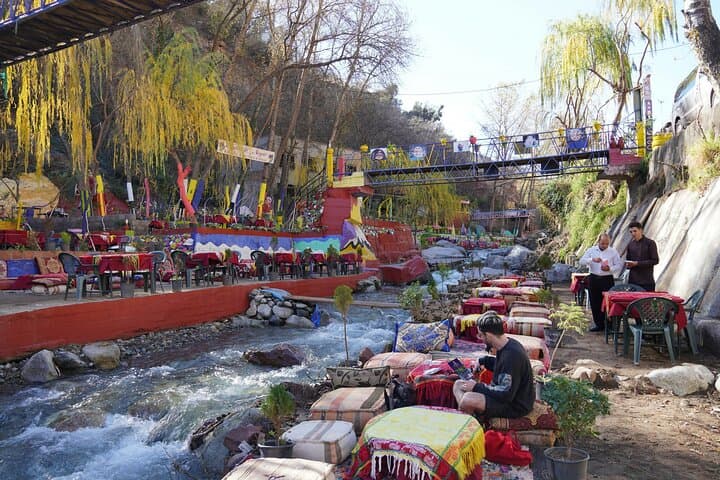
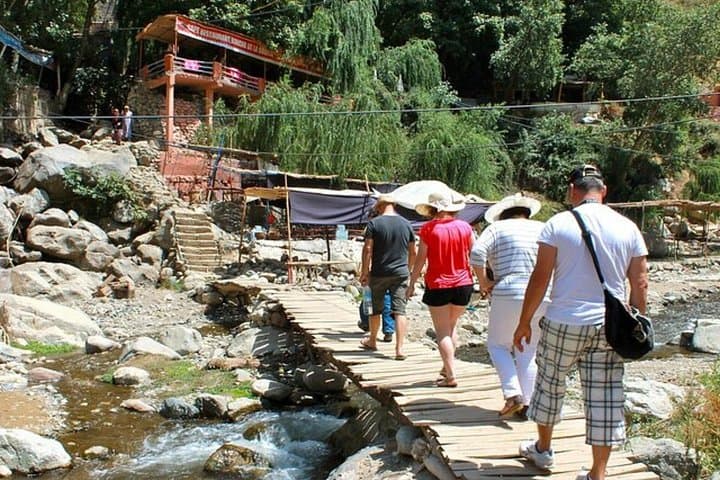
A cool morning light spills over Marrakech as a minivan hums south toward the High Atlas, the road rising and the air sharpening. By the time the valley opens, stone terraces press against steep slopes and the Ourika River dares you to follow it upstream. The village of Setti Fatma sits like a working waypoint — low-slung houses, a cluster of cafés, and wooden footbridges that creak underfoot as you trace the river to its falls.
Verified experiences and guided adventures in the surrounding area.
Operated by Marrakech City Travel · Setti Fatma (Ourika Valley), Marrakesh-Safi
A cool morning light spills over Marrakech as a minivan hums south toward the High Atlas, the road rising and the air sharpening. By the time the valley opens, stone terraces press against steep slopes and the Ourika River dares you to follow it upstream. The village of Setti Fatma sits like a working waypoint — low-slung houses, a cluster of cafés, and wooden footbridges that creak underfoot as you trace the river to its falls.
This corridor has been shaped by volcanic rock and seasonal snowmelt; ancient irrigation channels and stepped fields speak to a millennia of Berber agriculture. Language, crafts and cuisine here retain strong local character: women’s argan cooperatives still extract oil by hand, and oversized tagines appear at riverside lunches. Geology is tangible — layered schist and granite, sudden gullies, and clear plunge pools where the falls collect.
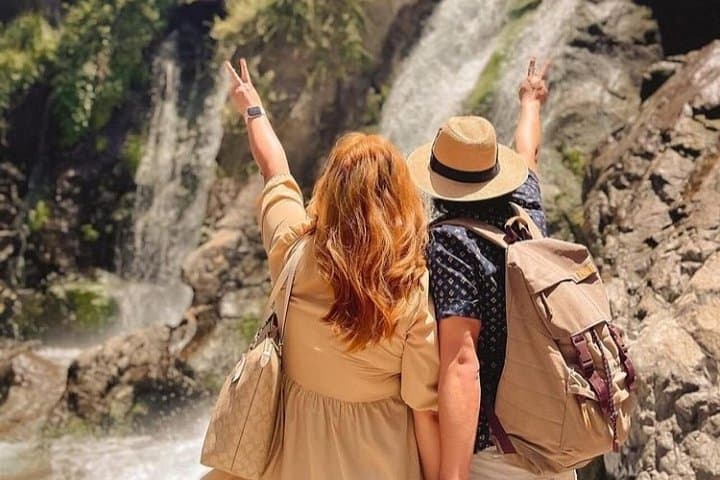
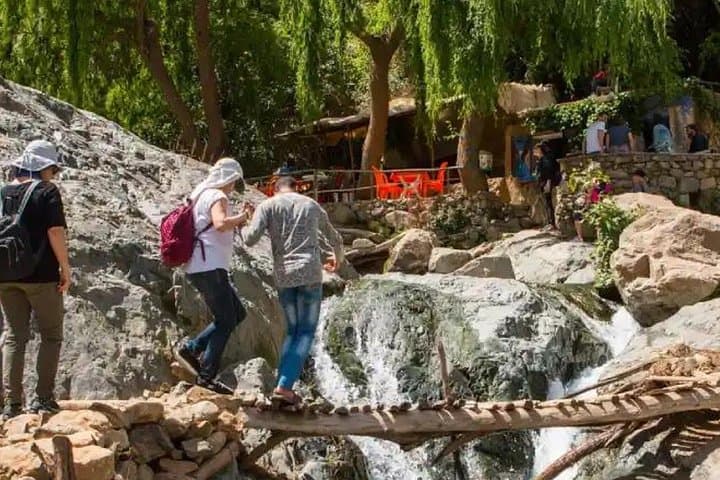
The hike to the Setti Fatma cascades is straightforward but uneven: expect riverbank paths, short climbs, and simple wooden bridges. Guides point out medicinal plants and village life, turning a walk into cultural context. Practicalities matter: start early to avoid heat and crowds, bring cash for cooperatives and tips, and wear shoes with grip for wet stones.
For planners: the trip runs about 6–7 hours round-trip from Marrakech with hotel pickup and drop-off. It’s ideal for travelers seeking an accessible mountain day that mixes light hiking, culture, and clear-air scenery — enough effort to feel outdoorsy, without technical scrambling.
moderate.
6–7 hours.
Suitable for people who can walk 2–4 miles on uneven terrain and handle short elevation gain; not technical.
No, lunch is optional and typically taken at a riverside restaurant; guides will recommend local spots and you should budget for a meal.
The trail is a gentle to moderate walk with uneven surfaces and short climbs; it’s suitable for most visitors who are comfortable on uneven terrain.
Yes — the tour includes hotel pickup and drop-off within Marrakech; you’ll confirm a pickup point when booking.
Yes, the itinerary includes a stop at a local women’s cooperative where you can watch argan oil pressed and purchase products directly.
The Ourika Valley has long been home to Amazigh (Berber) communities; terraced agriculture and argan production reflect centuries of mountain farming and trade.
Visitor numbers can strain trails and water sources — stick to paths, support local cooperatives, and avoid leaving waste to help preserve the valley’s ecosystems.
Marrakech City Travel operates guided outdoor trips and adventures with an emphasis on safety, stewardship, and memorable experiences.
A cool morning light spills over Marrakech as a minivan hums south toward the High Atlas, the road rising and the air sharpening. By the time the valley opens, stone terraces press against steep slopes and the Ourika River dares you to follow it upstream. The village of Setti Fatma sits like a working waypoint — low-slung houses, a cluster of cafés, and wooden footbridges that creak underfoot as you trace the river to its falls.
A cool morning light spills over Marrakech as a minivan hums south toward the High Atlas, the road rising and the air sharpening. By the time the valley opens, stone terraces press against steep slopes and the Ourika River dares you to follow it upstream. The village of Setti Fatma sits like a working waypoint — low-slung houses, a cluster of cafés, and wooden footbridges that creak underfoot as you trace the river to its falls.
This corridor has been shaped by volcanic rock and seasonal snowmelt; ancient irrigation channels and stepped fields speak to a millennia of Berber agriculture. Language, crafts and cuisine here retain strong local character: women’s argan cooperatives still extract oil by hand, and oversized tagines appear at riverside lunches. Geology is tangible — layered schist and granite, sudden gullies, and clear plunge pools where the falls collect.
The hike to the Setti Fatma cascades is straightforward but uneven: expect riverbank paths, short climbs, and simple wooden bridges. Guides point out medicinal plants and village life, turning a walk into cultural context. Practicalities matter: start early to avoid heat and crowds, bring cash for cooperatives and tips, and wear shoes with grip for wet stones.
For planners: the trip runs about 6–7 hours round-trip from Marrakech with hotel pickup and drop-off. It’s ideal for travelers seeking an accessible mountain day that mixes light hiking, culture, and clear-air scenery — enough effort to feel outdoorsy, without technical scrambling.