THE ADVENTURE COLLECTIVE® · Independent discovery and booking for outdoor travel

Escape Marrakech for a day in the High Atlas: follow the Ourika River through Berber villages to the cascading pools of Setti Fatma. This accessible day trip blends gentle hikes, local markets and riverside lunches into a straightforward outdoor experience.
Escape Marrakech for a day in the High Atlas: follow the Ourika River through Berber villages to the cascading pools of Setti Fatma. This accessible day trip blends gentle hikes, local markets and riverside lunches into a straightforward outdoor experience.
You descend from Marrakech along a ribbon of asphalt and suddenly the air changes: the Atlas slopes breathe cooler, olive groves lean toward a slow river, and small red‑earth villages press against the hills. The Ourika River dares you downstream, its banks threaded with mule tracks and citrus trees. By midmorning the valley opens into lanes lined with poplars and terraced fields, and the distant chatter of market stalls pulls you into village life.
Verified experiences and guided adventures in the surrounding area.
Operated by Great Travel Morocco · Setti Fatma, Marrakesh-Safi
You descend from Marrakech along a ribbon of asphalt and suddenly the air changes: the Atlas slopes breathe cooler, olive groves lean toward a slow river, and small red‑earth villages press against the hills. The Ourika River dares you downstream, its banks threaded with mule tracks and citrus trees. By midmorning the valley opens into lanes lined with poplars and terraced fields, and the distant chatter of market stalls pulls you into village life.
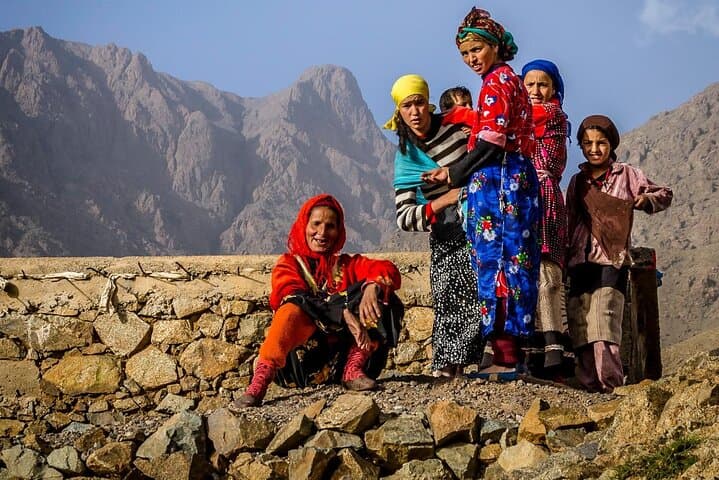
Geologically the valley is a young incision into High Atlas limestone and schist, carved by headwater streams that produce the cascade sequence at Setti Fatma. Culturally the area is Amazigh (Berber): expect centuries‑old stone homes, open markets on Mondays and Fridays, and traditional tea invitations at family houses where medicinal herbs—hence the valley’s reputation as Marrakech’s pharmacy—are displayed and traded.
Practically, this is a full‑day outing (about 7–8 hours). Tours typically include short village visits, a stop at a Berber house for mint tea, time at Setti Fatma to follow trails to several waterfalls, and an optional guided ascent of 1.5 hours for better views. Trails are rocky and sometimes muddy; the waterfalls are best after spring rains when flow is strongest. Carry 1–2 liters of water, sun protection, and a small first‑aid kit. Wear grippy shoes for riverbank sections and allow extra time for local market browsing and a riverside lunch.
Timing tip: start early to avoid peak heat and crowds. Respect private property and local customs—ask before photographing people. The Ourika is both an easy nature escape and a cultural window into Atlas mountain life.
moderate.
7–8 hours.
Suitable for people with a moderate level of fitness able to handle short uphill sections and uneven footing for several hours.
The valley is roughly 30–45 minutes to 1 hour from central Marrakech depending on traffic; tours commonly depart in the morning and return late afternoon.
Short riverside walks are family‑friendly, but the full waterfall trail involves uneven terrain—supervise children and avoid steep sections if young.
Yes, but flow is strongest in spring after rains; in late summer some cascades may be reduced to pools rather than full falls.
A guide isn't required for basic walks, but local guides add cultural context, safer route choices to upper falls and can arrange Berber house visits.
The Ourika Valley has long been an Amazigh agricultural corridor; settlements and terracing date back centuries and the area supplied Marrakech with medicinal plants and produce.
Increased visitation stresses fragile trails and water sources—stick to marked paths, avoid leaving waste, and support local businesses that practice sustainable tourism.
Great Travel Morocco operates guided outdoor trips and adventures with an emphasis on safety, stewardship, and memorable experiences.
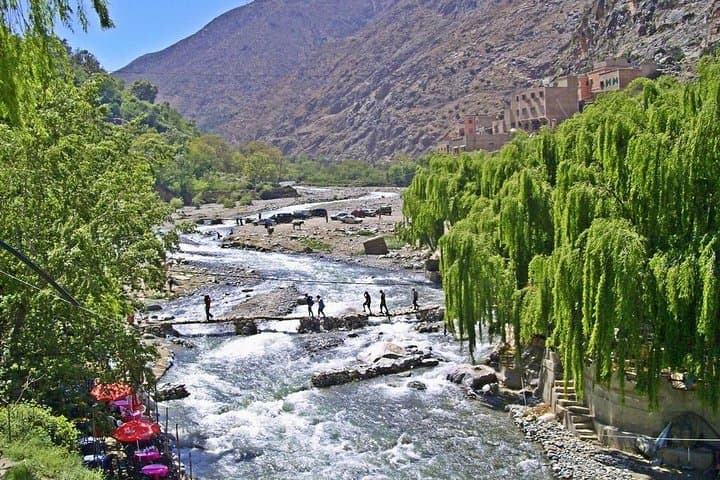
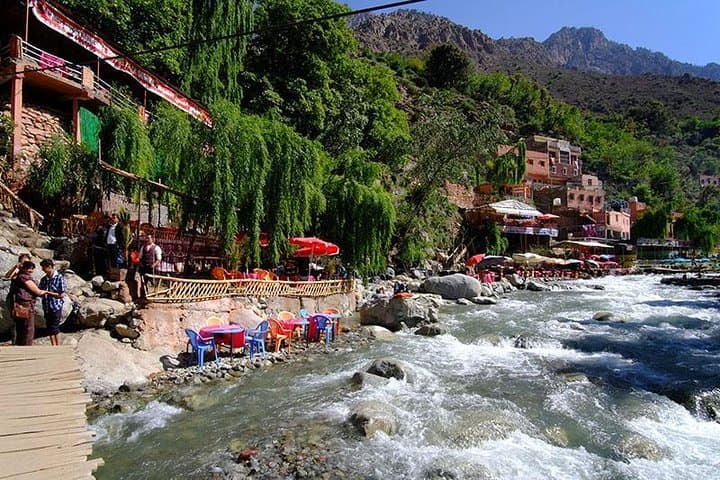
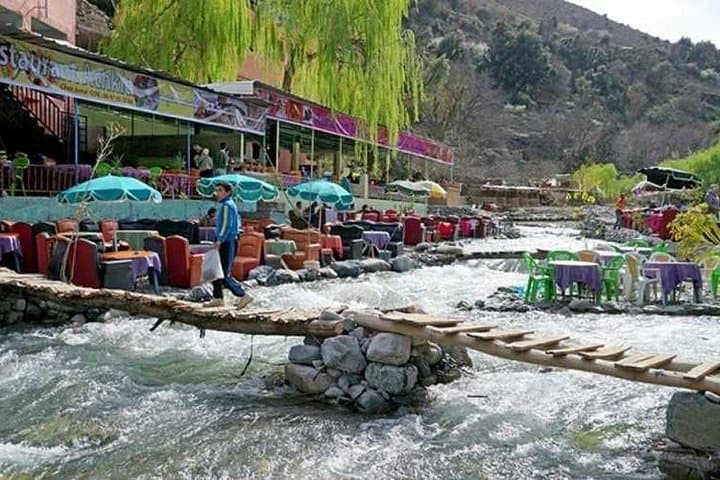
You descend from Marrakech along a ribbon of asphalt and suddenly the air changes: the Atlas slopes breathe cooler, olive groves lean toward a slow river, and small red‑earth villages press against the hills. The Ourika River dares you downstream, its banks threaded with mule tracks and citrus trees. By midmorning the valley opens into lanes lined with poplars and terraced fields, and the distant chatter of market stalls pulls you into village life.
You descend from Marrakech along a ribbon of asphalt and suddenly the air changes: the Atlas slopes breathe cooler, olive groves lean toward a slow river, and small red‑earth villages press against the hills. The Ourika River dares you downstream, its banks threaded with mule tracks and citrus trees. By midmorning the valley opens into lanes lined with poplars and terraced fields, and the distant chatter of market stalls pulls you into village life.
Geologically the valley is a young incision into High Atlas limestone and schist, carved by headwater streams that produce the cascade sequence at Setti Fatma. Culturally the area is Amazigh (Berber): expect centuries‑old stone homes, open markets on Mondays and Fridays, and traditional tea invitations at family houses where medicinal herbs—hence the valley’s reputation as Marrakech’s pharmacy—are displayed and traded.
Practically, this is a full‑day outing (about 7–8 hours). Tours typically include short village visits, a stop at a Berber house for mint tea, time at Setti Fatma to follow trails to several waterfalls, and an optional guided ascent of 1.5 hours for better views. Trails are rocky and sometimes muddy; the waterfalls are best after spring rains when flow is strongest. Carry 1–2 liters of water, sun protection, and a small first‑aid kit. Wear grippy shoes for riverbank sections and allow extra time for local market browsing and a riverside lunch.
Timing tip: start early to avoid peak heat and crowds. Respect private property and local customs—ask before photographing people. The Ourika is both an easy nature escape and a cultural window into Atlas mountain life.