THE ADVENTURE COLLECTIVE® · Independent discovery and booking for outdoor travel

Leave Marrakech for a day of river canyons, Berber hospitality, and the Setti Fatma waterfalls. This accessible Ourika Valley trip pairs easy guided walks with cultural stops—perfect for travelers who want nature and local flavor in a single day.
Leave Marrakech for a day of river canyons, Berber hospitality, and the Setti Fatma waterfalls. This accessible Ourika Valley trip pairs easy guided walks with cultural stops—perfect for travelers who want nature and local flavor in a single day.
Morning light strips the dust from Marrakech as the road climbs toward the Atlas foothills; olive groves and mud‑brick homes slide past the bus window and the valley opens like a green palm. By midmorning you'll step out into cooler air, the river ahead daring you to follow its riffled course toward the Setti Fatma cascades.
Verified experiences and guided adventures in the surrounding area.
Operated by Desert Expedition · Setti Fatma, Marrakech-Safi
Morning light strips the dust from Marrakech as the road climbs toward the Atlas foothills; olive groves and mud‑brick homes slide past the bus window and the valley opens like a green palm. By midmorning you'll step out into cooler air, the river ahead daring you to follow its riffled course toward the Setti Fatma cascades.
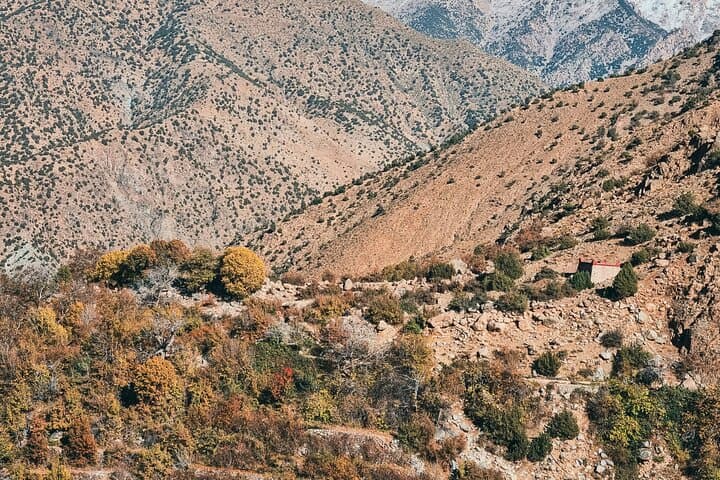
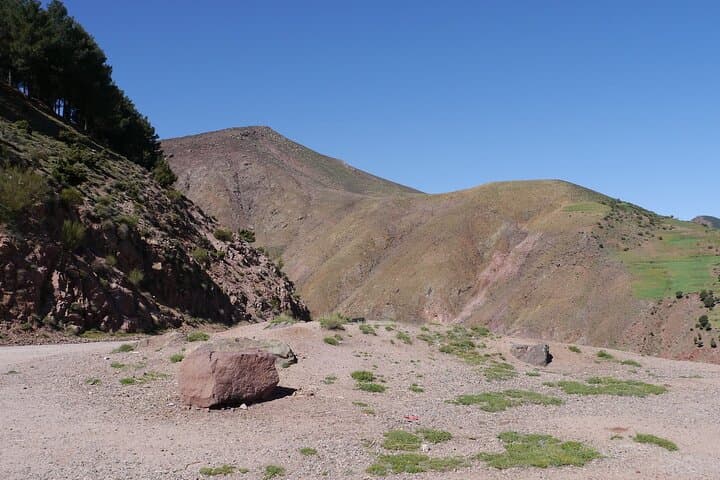
The Ourika Valley has long been a working landscape for Amazigh (Berber) communities—terraced farms and argan thickets shaped by centuries of dry‑land agriculture. Geologically, the valley is carved from folded sedimentary and metamorphic rock of the High Atlas; the river finds faults and worn ledges, creating the small falls that draw day visitors. Culture here is tangible: women run argan cooperatives, families pour mint tea on low carpets, and local guides translate landscape into livelihood.
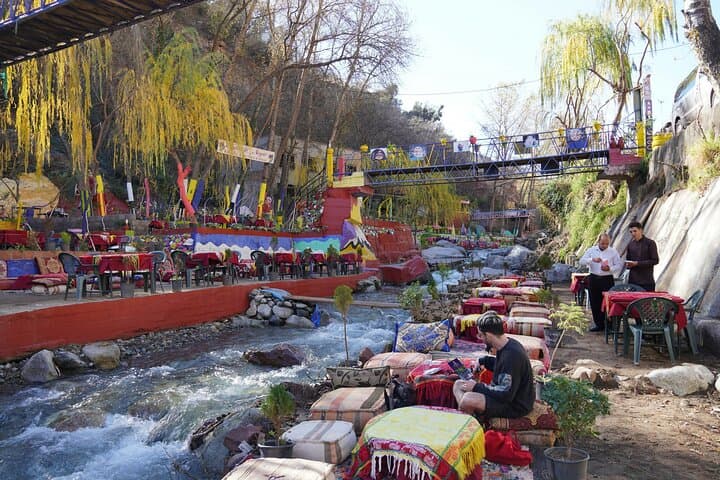
On this day trip expect a mix of easy walking and steeper rocky sections on the approach to the seven‑tiered falls—short crossings of shallow stream channels and rustic footbridges. The included lunch beside the river is simple and regional: tagine, salads, and fresh bread. Photography and short hikes fill the afternoon before a late‑afternoon return to Marrakech.
Practical edge: wear grippy shoes, carry at least 1–1.5 L of water, and bring a light layer—weather can shift fast as elevation changes. Morning departures avoid midday heat and give the best light for both photos and cooler walking. Respect private yards, support the women’s co‑ops, and stay on marked paths to reduce erosion and protect the valley's fragile riverbanks.
easy.
5–8 hours.
Suitable for most fitness levels; participants should be comfortable with short uphill walks and uneven terrain for up to 1–2 hours.
The guided walk to the main falls is typically 45–75 minutes round trip on rocky, uneven trails with short elevation gain; pace is relaxed and guide support is provided.
Yes—this day trip is rated easy; children and older visitors can usually participate, though some sections have steps and uneven ground.
Yes—round‑trip hotel pickup, transport, a riverside lunch, and the local hiking guide are included in the tour price.
Yes; the itinerary stops at a women‑run argan cooperative and local stalls where you can purchase oils, cosmetics, and handicrafts—buying supports the community.
The Ourika Valley has been inhabited by Amazigh communities for centuries; its agriculture and argan oil production connect deeply to local identity and women's cooperatives.
Tourism pressure and water scarcity affect riverbanks and terraces—stick to trails, pack out waste, and favor community‑run businesses to keep economic benefits local.
Desert Expedition operates guided outdoor trips and adventures with an emphasis on safety, stewardship, and memorable experiences.
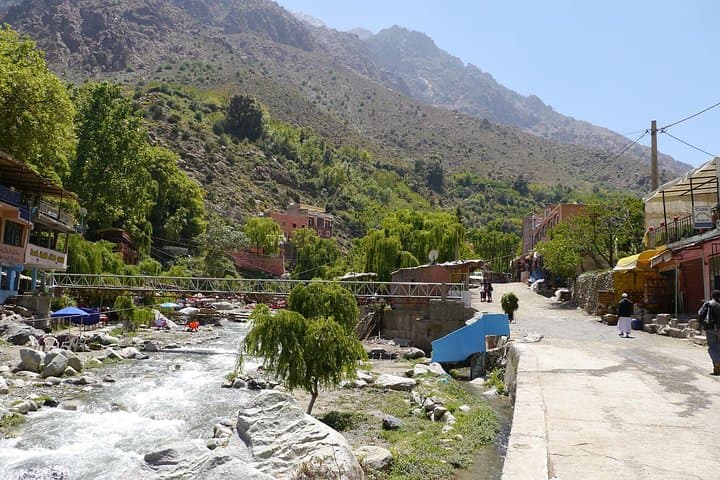
Morning light strips the dust from Marrakech as the road climbs toward the Atlas foothills; olive groves and mud‑brick homes slide past the bus window and the valley opens like a green palm. By midmorning you'll step out into cooler air, the river ahead daring you to follow its riffled course toward the Setti Fatma cascades.
Morning light strips the dust from Marrakech as the road climbs toward the Atlas foothills; olive groves and mud‑brick homes slide past the bus window and the valley opens like a green palm. By midmorning you'll step out into cooler air, the river ahead daring you to follow its riffled course toward the Setti Fatma cascades.
The Ourika Valley has long been a working landscape for Amazigh (Berber) communities—terraced farms and argan thickets shaped by centuries of dry‑land agriculture. Geologically, the valley is carved from folded sedimentary and metamorphic rock of the High Atlas; the river finds faults and worn ledges, creating the small falls that draw day visitors. Culture here is tangible: women run argan cooperatives, families pour mint tea on low carpets, and local guides translate landscape into livelihood.
On this day trip expect a mix of easy walking and steeper rocky sections on the approach to the seven‑tiered falls—short crossings of shallow stream channels and rustic footbridges. The included lunch beside the river is simple and regional: tagine, salads, and fresh bread. Photography and short hikes fill the afternoon before a late‑afternoon return to Marrakech.
Practical edge: wear grippy shoes, carry at least 1–1.5 L of water, and bring a light layer—weather can shift fast as elevation changes. Morning departures avoid midday heat and give the best light for both photos and cooler walking. Respect private yards, support the women’s co‑ops, and stay on marked paths to reduce erosion and protect the valley's fragile riverbanks.