THE ADVENTURE COLLECTIVE® · Independent discovery and booking for outdoor travel

Swap Marrakech’s bustle for a day in the Ourika Valley: mountain drives, a Berber home visit, a riverside lunch and a hike to Setti Fatma’s waterfalls. This guided day trip blends geological scenery and local culture with manageable hiking for most travelers.
Swap Marrakech’s bustle for a day in the Ourika Valley: mountain drives, a Berber home visit, a riverside lunch and a hike to Setti Fatma’s waterfalls. This guided day trip blends geological scenery and local culture with manageable hiking for most travelers.
You step out of Marrakech’s heat into a ribbon of road that climbs toward the High Atlas, the wind pushing river-scent and pine smoke through the van’s open window.
Verified experiences and guided adventures in the surrounding area.
Operated by Luxury Holidays Morocco · Ourika Valley (Setti Fatma), Marrakech-Safi
You step out of Marrakech’s heat into a ribbon of road that climbs toward the High Atlas, the wind pushing river-scent and pine smoke through the van’s open window.
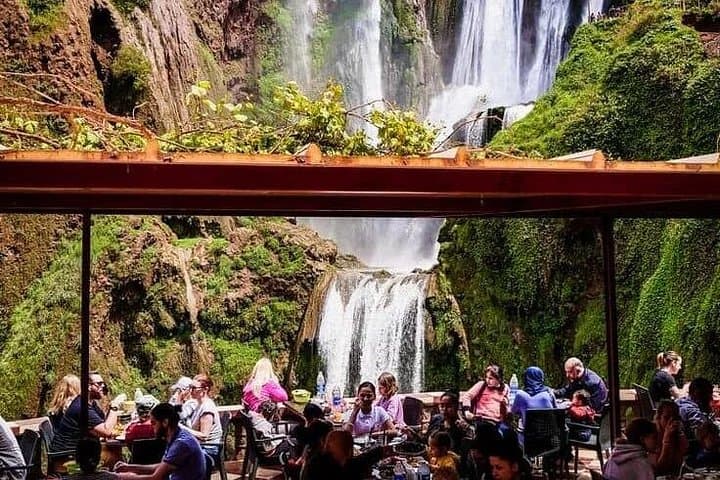
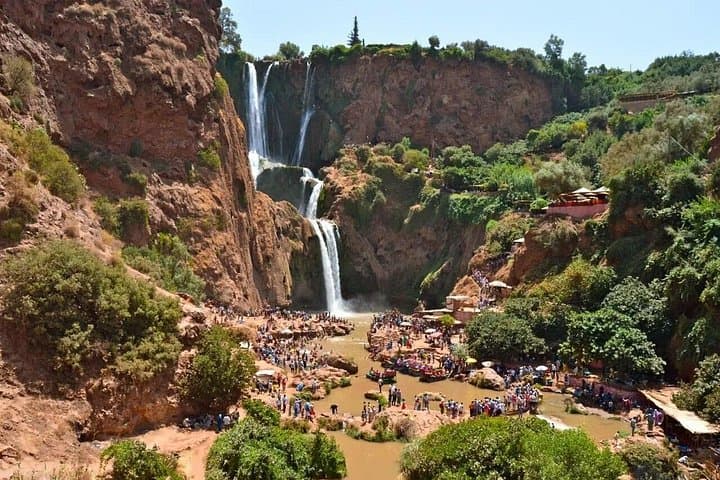
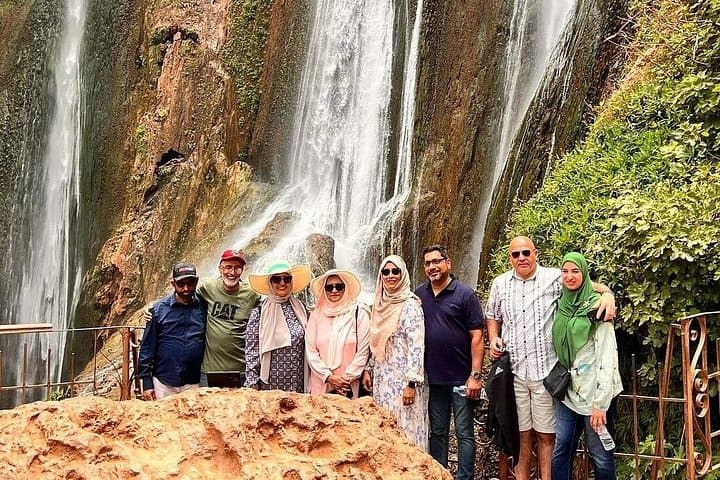
By midmorning the valley opens: terraced fields stitched to steep slopes, the Ourika River daring you closer with whitewater glints. The tour typically begins with a short drive through mountain villages, a stop at a Berber home for mint tea, then a hike toward the Setti Fatma waterfalls.
Geologically the valley is carved from folded sedimentary rock and ancient alluvial fans; trails follow older mule tracks and riverbeds. Culturally, the area has long been a summer refuge for Marrakech residents and a center of Amazigh (Berber) village life — markets sell woven rugs and local cuisinelike preserved argan products and spices.
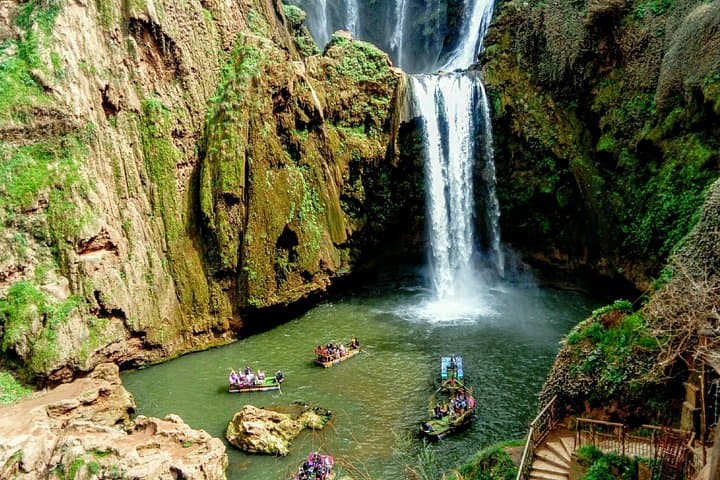
Expect uneven, rocky trails with stone steps and occasional river crossings; the first waterfall is easily reached, while the upper cascades demand steeper scrambling and roughly 200–400 m of cumulative elevation gain if you push higher. The round-trip hiking distance is commonly 3–6 km depending on how many falls you visit.
Practical notes: wear grippy footwear, carry at least 1–2 liters of water, and bring cash for tea and market purchases. Start early to avoid midday crowds and icy river dips—many travelers admire the pools but find the water very cold. The full tour runs about nine hours including pick-up and drop-off in Marrakech, with comfortable AC transport and a local guide steering logistics.
moderate.
9 hours.
Moderate fitness; able to handle up to 300–400 m of climbing and uneven terrain over several hours.
The drive typically takes 45–75 minutes each way depending on traffic and the exact pickup point in Marrakech.
The first waterfall is accessible to most children and older visitors, but upper cascades require steeper walking and some scrambling; discuss mobility limits with the guide.
Swimming is possible in some pools, but the water is very cold year-round; assess currents and slippery rocks before entering.
Many homes welcome visitors and offer genuine hospitality, though some demonstrations (tea-making, handicrafts) are tailored for guests; approach with respectful curiosity and tip when appropriate.
The Ourika Valley has long been a seasonal agricultural zone for Amazigh communities and a gateway into the High Atlas; its villages grew along trade and pastoral routes to Marrakech.
Tourism pressure has increased litter and informal stalls; support local guides, stick to trails, and carry out waste to limit impact.
Luxury Holidays Morocco operates guided outdoor trips and adventures with an emphasis on safety, stewardship, and memorable experiences.
You step out of Marrakech’s heat into a ribbon of road that climbs toward the High Atlas, the wind pushing river-scent and pine smoke through the van’s open window.
You step out of Marrakech’s heat into a ribbon of road that climbs toward the High Atlas, the wind pushing river-scent and pine smoke through the van’s open window.
By midmorning the valley opens: terraced fields stitched to steep slopes, the Ourika River daring you closer with whitewater glints. The tour typically begins with a short drive through mountain villages, a stop at a Berber home for mint tea, then a hike toward the Setti Fatma waterfalls.
Geologically the valley is carved from folded sedimentary rock and ancient alluvial fans; trails follow older mule tracks and riverbeds. Culturally, the area has long been a summer refuge for Marrakech residents and a center of Amazigh (Berber) village life — markets sell woven rugs and local cuisinelike preserved argan products and spices.
Expect uneven, rocky trails with stone steps and occasional river crossings; the first waterfall is easily reached, while the upper cascades demand steeper scrambling and roughly 200–400 m of cumulative elevation gain if you push higher. The round-trip hiking distance is commonly 3–6 km depending on how many falls you visit.
Practical notes: wear grippy footwear, carry at least 1–2 liters of water, and bring cash for tea and market purchases. Start early to avoid midday crowds and icy river dips—many travelers admire the pools but find the water very cold. The full tour runs about nine hours including pick-up and drop-off in Marrakech, with comfortable AC transport and a local guide steering logistics.