THE ADVENTURE COLLECTIVE® · Independent discovery and booking for outdoor travel

Escape Marrakech for a day in the High Atlas: stroll riverside trails, visit argan cooperatives and Berber homes, and reach the cool cascades of Setti Fatma. This accessible excursion blends light hiking with cultural encounters and panoramic mountain views.
Escape Marrakech for a day in the High Atlas: stroll riverside trails, visit argan cooperatives and Berber homes, and reach the cool cascades of Setti Fatma. This accessible excursion blends light hiking with cultural encounters and panoramic mountain views.
You step out of the air-conditioned van and the Atlas Mountains press close—rock faces folding into green terraces, the Ourika River daring you to follow. The road from Marrakech unwinds through olive groves and scrub, arriving at a panoramic overlook where the valley’s channels and villages pin themselves to the slopes like stitched fabric.
Verified experiences and guided adventures in the surrounding area.
Operated by morocco desert activities · Setti Fatma, Marrakech-Safi
You step out of the air-conditioned van and the Atlas Mountains press close—rock faces folding into green terraces, the Ourika River daring you to follow. The road from Marrakech unwinds through olive groves and scrub, arriving at a panoramic overlook where the valley’s channels and villages pin themselves to the slopes like stitched fabric.
The route threads through traditional Berber hamlets whose history runs deep: families have farmed these slopes for centuries, trading woven goods and argan oil long before mass tourism arrived. Geologically, the High Atlas is young and sharp—granite ridges carved by winter snows and spring melt that feed the waterfalls at Setti Fatma. Along the river, cultivated gardens and wild thyme scent the air while small footpaths climb to pools where locals bathe and children leap from worn rocks.
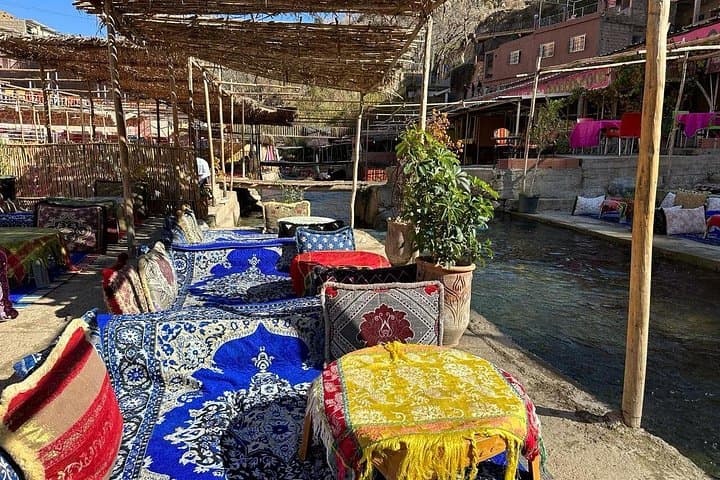
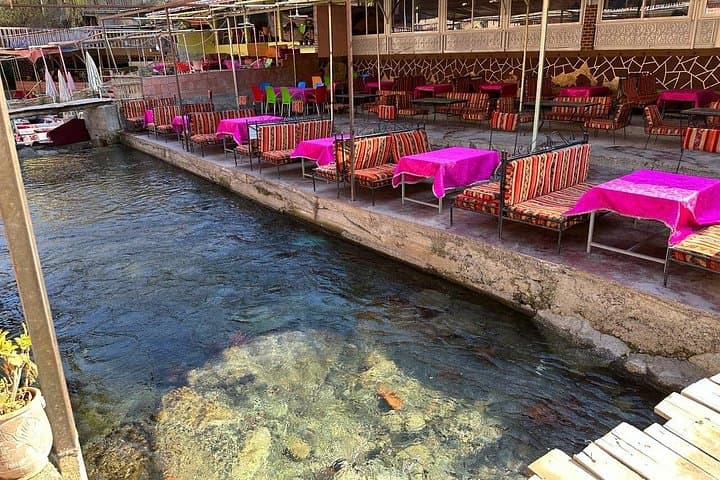
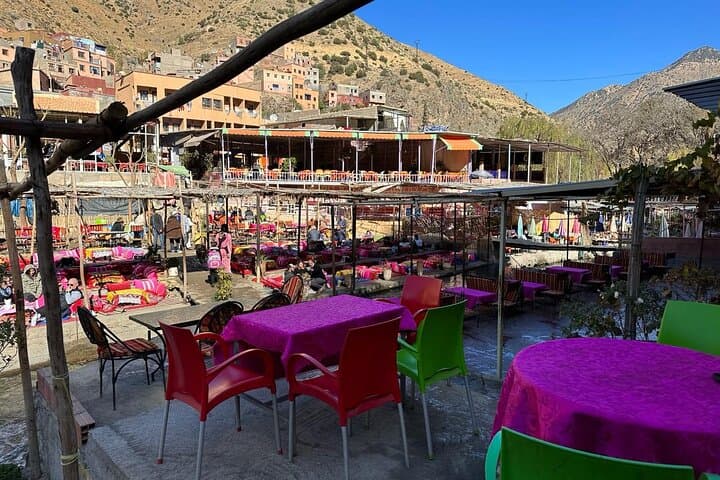
This is both a cultural visit and an easy mountain walk. Expect short, well-maintained trails to viewpoint ledges and a multi-tiered waterfall system reached by a modest ascent—terrain is rocky but not technical. The day typically includes a stop at an argan cooperative to watch traditional pressing methods and a Berber house breakfast featuring fresh bread, olives and mint tea. Lunch options are simple riverside cafés serving tagine and grilled trout.
Practical notes: leave early to avoid midday crowds and heat, bring good walking shoes and a refillable water bottle, and dress respectfully for village visits. Photography is welcomed but ask before shooting people. The combination of accessible trail time, cultural encounters, and mountain scenery makes this a rewarding day out of Marrakech.
easy.
6–7 hours.
Suitable for most fitness levels; requires comfortable walking on uneven ground and short ascents.
The drive typically takes about 1.5 hours each way depending on traffic and your exact pickup point in Marrakech.
No—the trails are short and mostly well-maintained; expect uneven, rocky paths and some stone steps but no technical climbing.
Yes, some pools are accessible for a quick dip—bring a swimsuit and towel, but beware of cold water and slippery rocks.
Yes; most day trips include a stop at a local cooperative to see argan production and a traditional Berber house for breakfast or tea.
The Ourika Valley has long been inhabited by Amazigh (Berber) communities whose terrace farming and artisan trades—especially argan oil—shape local life.
Tourism helps local economies but increases pressure on water and trails; stick to marked paths, avoid single-use plastics, and support registered cooperatives.
morocco desert activities operates guided outdoor trips and adventures with an emphasis on safety, stewardship, and memorable experiences.
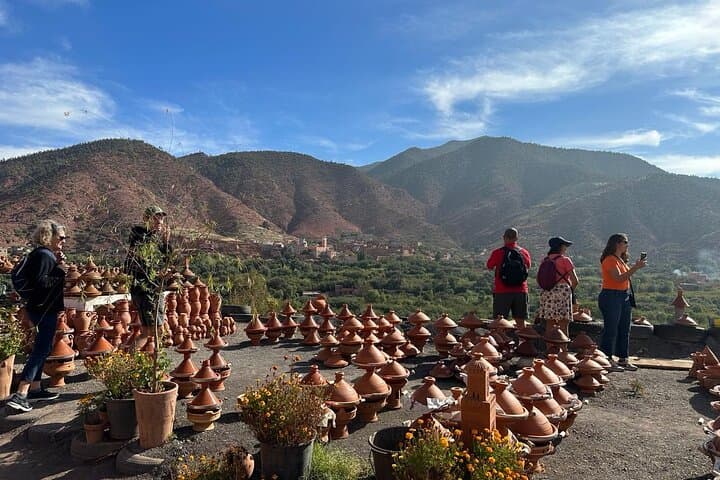
You step out of the air-conditioned van and the Atlas Mountains press close—rock faces folding into green terraces, the Ourika River daring you to follow. The road from Marrakech unwinds through olive groves and scrub, arriving at a panoramic overlook where the valley’s channels and villages pin themselves to the slopes like stitched fabric.
You step out of the air-conditioned van and the Atlas Mountains press close—rock faces folding into green terraces, the Ourika River daring you to follow. The road from Marrakech unwinds through olive groves and scrub, arriving at a panoramic overlook where the valley’s channels and villages pin themselves to the slopes like stitched fabric.
The route threads through traditional Berber hamlets whose history runs deep: families have farmed these slopes for centuries, trading woven goods and argan oil long before mass tourism arrived. Geologically, the High Atlas is young and sharp—granite ridges carved by winter snows and spring melt that feed the waterfalls at Setti Fatma. Along the river, cultivated gardens and wild thyme scent the air while small footpaths climb to pools where locals bathe and children leap from worn rocks.
This is both a cultural visit and an easy mountain walk. Expect short, well-maintained trails to viewpoint ledges and a multi-tiered waterfall system reached by a modest ascent—terrain is rocky but not technical. The day typically includes a stop at an argan cooperative to watch traditional pressing methods and a Berber house breakfast featuring fresh bread, olives and mint tea. Lunch options are simple riverside cafés serving tagine and grilled trout.
Practical notes: leave early to avoid midday crowds and heat, bring good walking shoes and a refillable water bottle, and dress respectfully for village visits. Photography is welcomed but ask before shooting people. The combination of accessible trail time, cultural encounters, and mountain scenery makes this a rewarding day out of Marrakech.