THE ADVENTURE COLLECTIVE® · Independent discovery and booking for outdoor travel

Escape Marrakech for a day and follow the Ourika River into terraced hills, Berber villages, and the spray of Setti Fatma’s waterfalls. This accessible full‑day trip blends light hiking, cultural visits, and riverside relaxation.
Escape Marrakech for a day and follow the Ourika River into terraced hills, Berber villages, and the spray of Setti Fatma’s waterfalls. This accessible full‑day trip blends light hiking, cultural visits, and riverside relaxation.
You step out of Marrakech's heat into a ribbon of river and palm-dotted terraces as the road climbs toward the High Atlas foothills. The Ourika River keeps time with a steady rush; olive groves and vegetable terraces climb the slopes while small stone houses peer over switchbacks. By midmorning the valley’s air cools and the spray from Setti Fatma’s cascades dares you to come closer.
Verified experiences and guided adventures in the surrounding area.
Operated by Marrakech Excursions Guided · Ourika, Marrakech-Safi
You step out of Marrakech's heat into a ribbon of river and palm-dotted terraces as the road climbs toward the High Atlas foothills. The Ourika River keeps time with a steady rush; olive groves and vegetable terraces climb the slopes while small stone houses peer over switchbacks. By midmorning the valley’s air cools and the spray from Setti Fatma’s cascades dares you to come closer.
The valley has long been inhabited by Amazigh (Berber) communities who shaped the land with dry-stone terraces and spring-fed orchards. Geologically the Ourika is carved from schist and limestone of the Anti-Atlas foothills; flood channels and alluvial benches create the narrow ribbon where villages and palm would flourish. Culture here is practical and visible: terraced agriculture, local argan and olive production, and simple stone houses with low, thick walls.
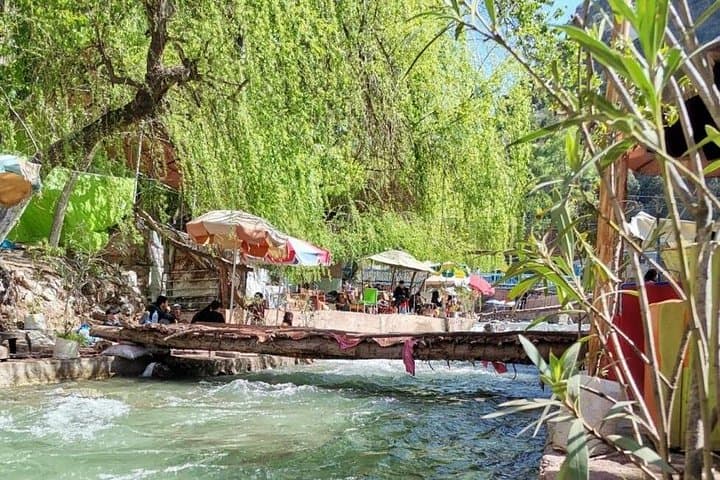
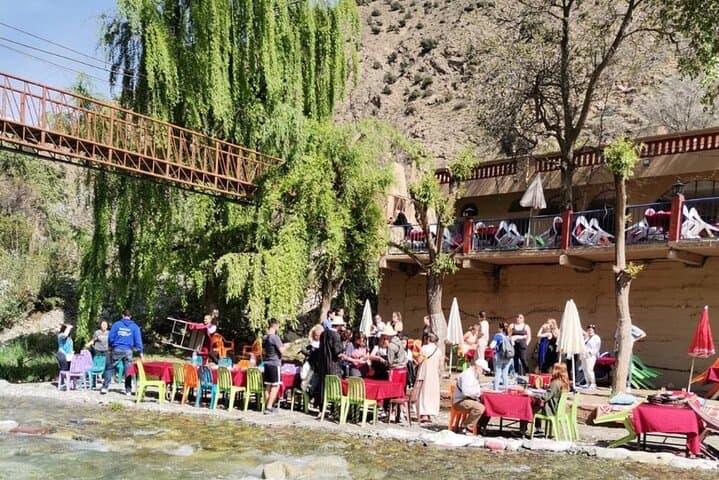
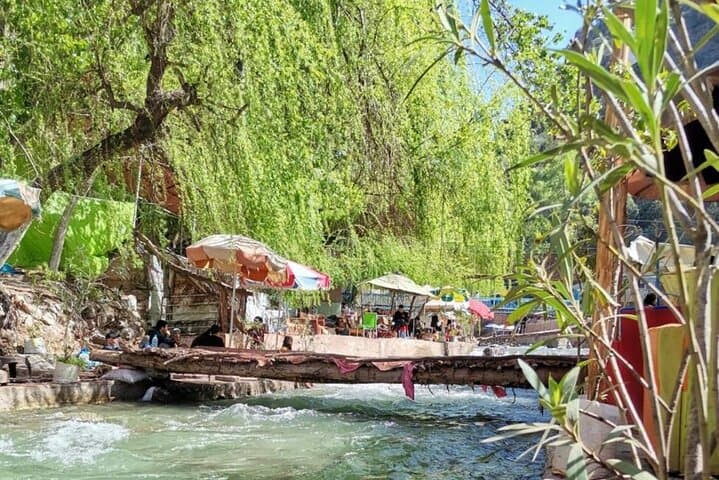
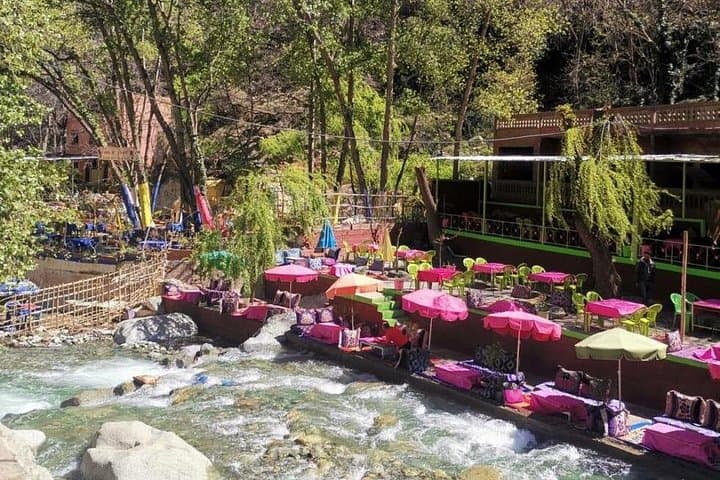
Expect a mix of short village walks, roadside souks on market days, and a moderate hike to a series of seven small waterfalls at Setti Fatma—paths can be steep and rocky in places but are straightforward for most visitors. Local guides and family-run riverside cafés offer hands-on insight into daily life and cuisine.
Practical notes: plan for an early pickup from Marrakech, bring cash (local cooperatives accept dirham), layered clothing for changing elevation, and sturdy footwear for wet, uneven trails. Aim to visit on weekdays or early mornings to avoid the weekend crowds from Marrakech and respect private homes when entering Berber houses.
easy.
8 hours (full day).
Suitable for most fitness levels; requires short hikes on uneven terrain and the ability to climb steps and navigate slippery paths.
The valley is about 40–60 minutes by car depending on traffic and the exact meeting point—expect a full‑day itinerary with pickup and drop‑off included.
Short sections are family-friendly but some parts are steep and slippery; supervise children and consider skipping the higher cascades if unsure.
Many tours include a visit to a family home; always ask permission beforehand, remove shoes if requested, and follow the host’s lead.
Most itineraries do not include meals; there are riverside cafés and small restaurants in Setti Fatma and villages where you can buy food.
The Ourika Valley has been inhabited by Amazigh (Berber) communities for centuries; traditional terrace farming and mountain architecture reflect long-standing adaptation to the landscape.
Tourism supports local economies but increases pressure on water and trails—support small cooperatives, avoid single‑use plastics, and stick to marked paths.
Marrakech Excursions Guided operates guided outdoor trips and adventures with an emphasis on safety, stewardship, and memorable experiences.
You step out of Marrakech's heat into a ribbon of river and palm-dotted terraces as the road climbs toward the High Atlas foothills. The Ourika River keeps time with a steady rush; olive groves and vegetable terraces climb the slopes while small stone houses peer over switchbacks. By midmorning the valley’s air cools and the spray from Setti Fatma’s cascades dares you to come closer.
You step out of Marrakech's heat into a ribbon of river and palm-dotted terraces as the road climbs toward the High Atlas foothills. The Ourika River keeps time with a steady rush; olive groves and vegetable terraces climb the slopes while small stone houses peer over switchbacks. By midmorning the valley’s air cools and the spray from Setti Fatma’s cascades dares you to come closer.
The valley has long been inhabited by Amazigh (Berber) communities who shaped the land with dry-stone terraces and spring-fed orchards. Geologically the Ourika is carved from schist and limestone of the Anti-Atlas foothills; flood channels and alluvial benches create the narrow ribbon where villages and palm would flourish. Culture here is practical and visible: terraced agriculture, local argan and olive production, and simple stone houses with low, thick walls.
Expect a mix of short village walks, roadside souks on market days, and a moderate hike to a series of seven small waterfalls at Setti Fatma—paths can be steep and rocky in places but are straightforward for most visitors. Local guides and family-run riverside cafés offer hands-on insight into daily life and cuisine.
Practical notes: plan for an early pickup from Marrakech, bring cash (local cooperatives accept dirham), layered clothing for changing elevation, and sturdy footwear for wet, uneven trails. Aim to visit on weekdays or early mornings to avoid the weekend crowds from Marrakech and respect private homes when entering Berber houses.