THE ADVENTURE COLLECTIVE® · Independent discovery and booking for outdoor travel

A half-day escape from Marrakech into the foothills of the High Atlas, this Ourika Valley excursion brings you to Setti Fatma’s cascading waterfalls and traditional Berber villages. Expect easy-to-moderate trails, market stops, and clear mountain air.
A half-day escape from Marrakech into the foothills of the High Atlas, this Ourika Valley excursion brings you to Setti Fatma’s cascading waterfalls and traditional Berber villages. Expect easy-to-moderate trails, market stops, and clear mountain air.
You leave Marrakech behind as the city’s ochre walls shrink and the road tilts toward the Atlas. Olive terraces and palm groves slip past the window, and the Ourika River begins to assert itself—silver ribbon, then a chorus of small cascades daring you to look closer.
Verified experiences and guided adventures in the surrounding area.
Operated by Primera Tours · Marrakech, Marrakech-Safi
You leave Marrakech behind as the city’s ochre walls shrink and the road tilts toward the Atlas. Olive terraces and palm groves slip past the window, and the Ourika River begins to assert itself—silver ribbon, then a chorus of small cascades daring you to look closer.
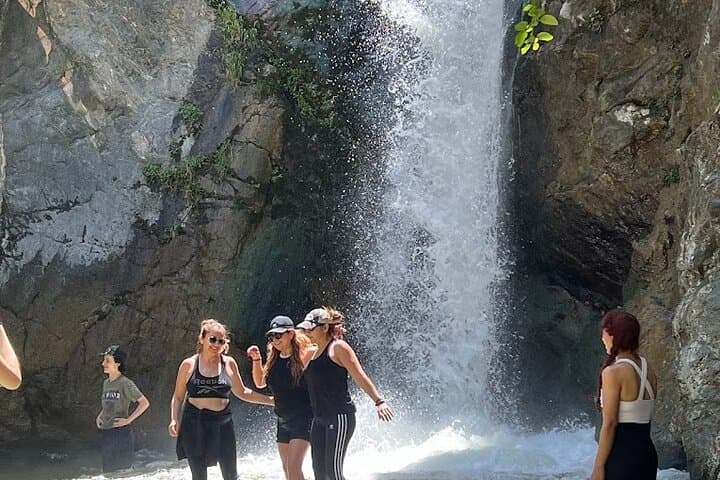
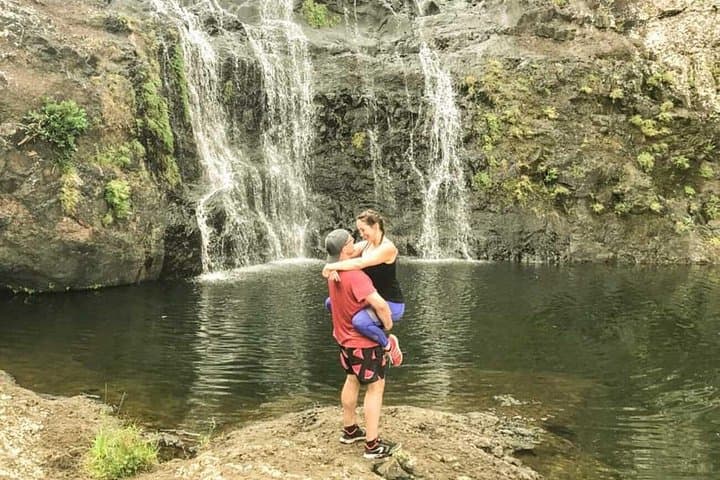
This day trip centers on Setti Fatma, a mountain village where seven waterfalls carve steps out of schist and shale. Geologically, the High Atlas here is young and steep; seasonal streams swell from snowmelt, cutting narrow gorges and creating the tiered falls that give the valley its character. Culturally, the route threads through Berber communities whose terraced farming and stone bridges date back centuries; weekly markets in Tnine Ourika still follow rhythms of livestock, spices and woven goods.
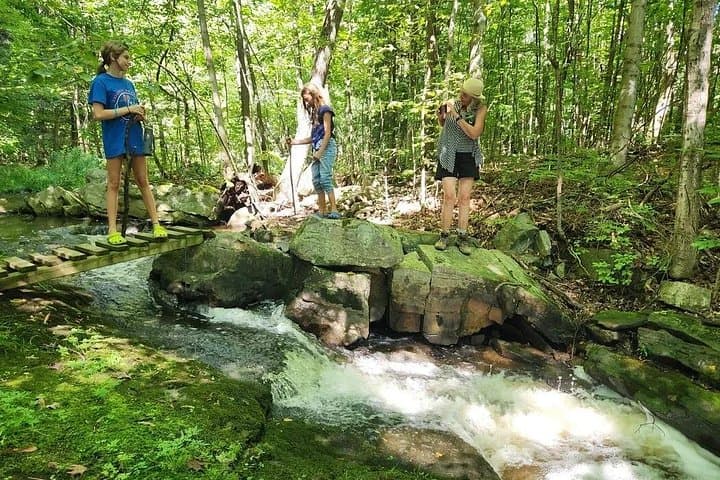
Expect a mix of paved roadside stops and short, often rocky trails to reach the lower waterfalls. The first three cascades are the easiest to reach and the most photographed; the higher falls require steeper, unpaved steps and, in places, a steady foothold.
Practical guidance: wear sturdy shoes with grip, layer for temperature swings between town and river, and carry at least 1–2 liters of water. Bring small bills for tea, tips and market finds. If you want a safer route to the upper falls, hire a local guide in Setti Fatma—guides know the rougher sections and the best photo vantage points.
This excursion offers straightforward logistics—hotel pickup and drop-off—paired with the simple reward of mountain air, rushing water, and a brief window into Atlas life.
easy.
8–9 hours.
Suitable for travelers with basic walking fitness; able to handle uneven terrain and short uphill sections.
Yes—pickup from riads, hotels and central meeting points in Marrakech is provided at the scheduled morning or afternoon times.
The lower waterfalls are accessible year-round; flow is strongest in spring from snowmelt and after winter rains, while summer flows can be reduced.
If your trip coincides with Monday, the Tnine Ourika market is a recommended stop for local crafts and produce; timing depends on the tour schedule.
Short roadside stops are stroller-accessible, but the waterfall trails have steps and rocky sections—small children should be carried or closely supervised.
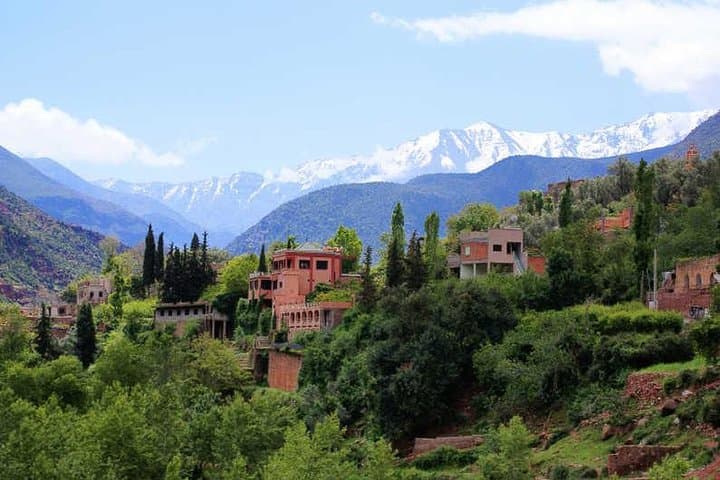
The Ourika Valley has long been a corridor for Berber communities in the High Atlas; terraced agriculture and stone bridges reflect centuries of mountain adaptation.
Tourism affects fragile riverbanks and trails—stay on marked paths, avoid leaving waste, and support local guides and vendors to benefit the community.
Primera Tours operates guided outdoor trips and adventures with an emphasis on safety, stewardship, and memorable experiences.
You leave Marrakech behind as the city’s ochre walls shrink and the road tilts toward the Atlas. Olive terraces and palm groves slip past the window, and the Ourika River begins to assert itself—silver ribbon, then a chorus of small cascades daring you to look closer.
You leave Marrakech behind as the city’s ochre walls shrink and the road tilts toward the Atlas. Olive terraces and palm groves slip past the window, and the Ourika River begins to assert itself—silver ribbon, then a chorus of small cascades daring you to look closer.
This day trip centers on Setti Fatma, a mountain village where seven waterfalls carve steps out of schist and shale. Geologically, the High Atlas here is young and steep; seasonal streams swell from snowmelt, cutting narrow gorges and creating the tiered falls that give the valley its character. Culturally, the route threads through Berber communities whose terraced farming and stone bridges date back centuries; weekly markets in Tnine Ourika still follow rhythms of livestock, spices and woven goods.
Expect a mix of paved roadside stops and short, often rocky trails to reach the lower waterfalls. The first three cascades are the easiest to reach and the most photographed; the higher falls require steeper, unpaved steps and, in places, a steady foothold.
Practical guidance: wear sturdy shoes with grip, layer for temperature swings between town and river, and carry at least 1–2 liters of water. Bring small bills for tea, tips and market finds. If you want a safer route to the upper falls, hire a local guide in Setti Fatma—guides know the rougher sections and the best photo vantage points.
This excursion offers straightforward logistics—hotel pickup and drop-off—paired with the simple reward of mountain air, rushing water, and a brief window into Atlas life.