THE ADVENTURE COLLECTIVE® · Independent discovery and booking for outdoor travel

Escape Marrakech for a private day in the Ourika Valley: a cool river corridor, perched Berber villages, and the cascading Setti-Fatma waterfalls. This accessible day trip blends short walks, local culture, and a riverside tagine lunch.
Escape Marrakech for a private day in the Ourika Valley: a cool river corridor, perched Berber villages, and the cascading Setti-Fatma waterfalls. This accessible day trip blends short walks, local culture, and a riverside tagine lunch.
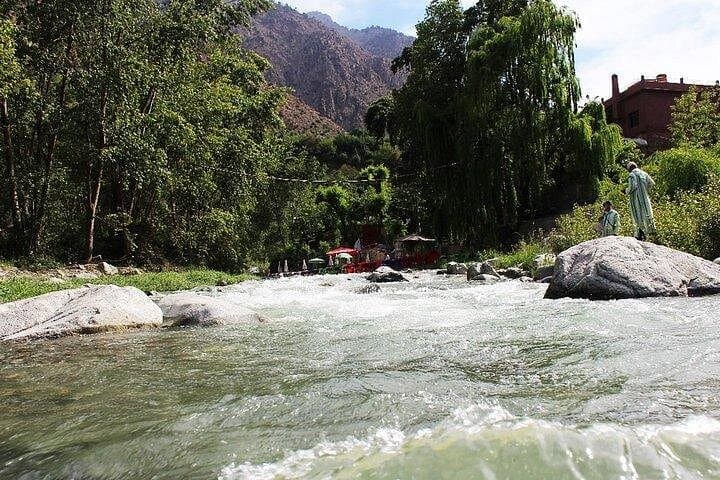
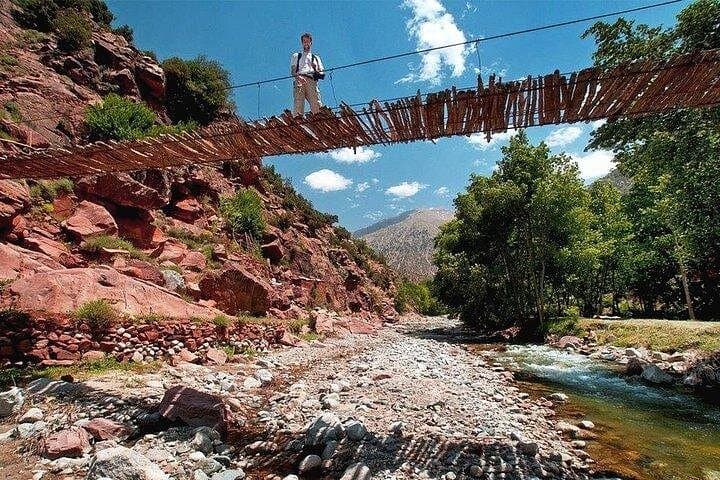
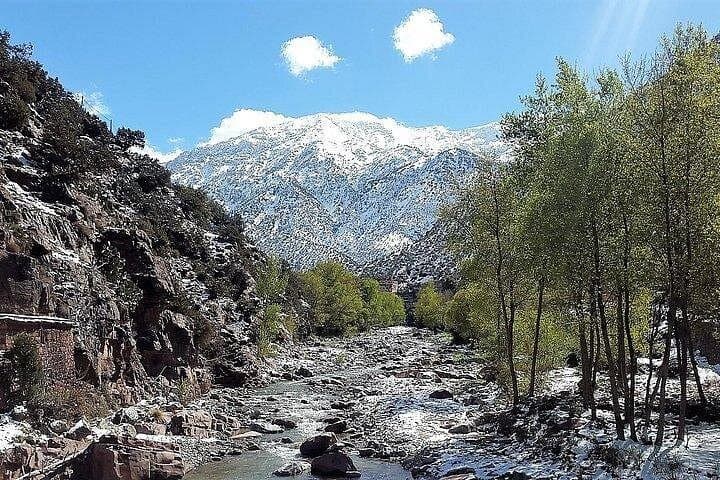
Morning light thins over the ochre roofs of Marrakech as you slip south toward the High Atlas, the road unspooling through almond groves and terraced fields. Within an hour the city’s heat gives way to a cooler valley where the Ourika River carves green ribs into red rock. The tour drops you at Setti-Fatma, where a short walk follows mule tracks and spring-fed streams to a series of seven modest waterfalls that dare you to linger.
Verified experiences and guided adventures in the surrounding area.
Operated by marrakech Tours 2019 · Ourika, Marrakesh-Safi
Morning light thins over the ochre roofs of Marrakech as you slip south toward the High Atlas, the road unspooling through almond groves and terraced fields. Within an hour the city’s heat gives way to a cooler valley where the Ourika River carves green ribs into red rock. The tour drops you at Setti-Fatma, where a short walk follows mule tracks and spring-fed streams to a series of seven modest waterfalls that dare you to linger.
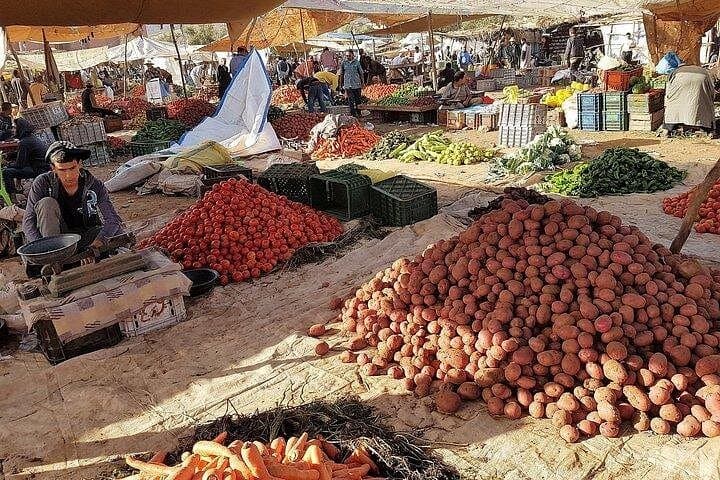
Geology here is blunt: folded volcanic and sedimentary rock shaped by millennia of runoff from the Atlas. The valley has supported Amazigh (Berber) communities for centuries; stone houses and small terraces still mark family parcels. Cultural exchanges on this route are straightforward—local households offer tagine lunches and woven crafts, while village markets reflect an agricultural rhythm more than a tourist show.
Practical guidance: the walk to the main cascades is uneven and may include short, steep stair sections; good footwear and steady footing are essential. Bring cash for lunch and tips, and allow time for photo stops—drivers can accommodate short detours. Peak season runs spring and autumn when water levels and temperatures are most agreeable; summer is hotter but shaded river corridors remain cooler.
Sustainability note: guides here increasingly favor small groups and encourage visitors not to hand money to children but to bring small school supplies instead. The experience is tactile, immediate, and easily done as a private day out from Marrakech.
easy.
8–10 hours.
Light fitness required; comfortable with short, uneven walks and stairs
The roundtrip drive is about 30–60 km one-way depending on stops and traffic; expect roughly 45–75 minutes each way.
No technical difficulty; the path includes uneven stone steps and short climbs—suitable for most travelers with basic mobility.
Lunch at a local restaurant is not included; most groups stop for a tagine you pay for directly at the Resto en route.
Yes—private tours typically allow photo stops and brief detours; communicate preferences to your driver or guide at pickup.
The Ourika corridor has been populated by Amazigh (Berber) communities for centuries; terraced agriculture and stone hamlets reflect long-standing mountain livelihoods.
Small-group touring and avoiding cash handouts to children help reduce tourism impact; stick to marked paths to protect fragile riverbank vegetation.
marrakech Tours 2019 operates guided outdoor trips and adventures with an emphasis on safety, stewardship, and memorable experiences.
Morning light thins over the ochre roofs of Marrakech as you slip south toward the High Atlas, the road unspooling through almond groves and terraced fields. Within an hour the city’s heat gives way to a cooler valley where the Ourika River carves green ribs into red rock. The tour drops you at Setti-Fatma, where a short walk follows mule tracks and spring-fed streams to a series of seven modest waterfalls that dare you to linger.
Morning light thins over the ochre roofs of Marrakech as you slip south toward the High Atlas, the road unspooling through almond groves and terraced fields. Within an hour the city’s heat gives way to a cooler valley where the Ourika River carves green ribs into red rock. The tour drops you at Setti-Fatma, where a short walk follows mule tracks and spring-fed streams to a series of seven modest waterfalls that dare you to linger.
Geology here is blunt: folded volcanic and sedimentary rock shaped by millennia of runoff from the Atlas. The valley has supported Amazigh (Berber) communities for centuries; stone houses and small terraces still mark family parcels. Cultural exchanges on this route are straightforward—local households offer tagine lunches and woven crafts, while village markets reflect an agricultural rhythm more than a tourist show.
Practical guidance: the walk to the main cascades is uneven and may include short, steep stair sections; good footwear and steady footing are essential. Bring cash for lunch and tips, and allow time for photo stops—drivers can accommodate short detours. Peak season runs spring and autumn when water levels and temperatures are most agreeable; summer is hotter but shaded river corridors remain cooler.
Sustainability note: guides here increasingly favor small groups and encourage visitors not to hand money to children but to bring small school supplies instead. The experience is tactile, immediate, and easily done as a private day out from Marrakech.