THE ADVENTURE COLLECTIVE® · Independent discovery and booking for outdoor travel

Escape Marrakech for a day into the Ourika Valley to walk along a mountain stream, visit Berber homes and climb toward seven cascading waterfalls. This private full-day trip offers cultural stops at Tafza and Setti Fatma with an easy-to-moderate river hike and riverside lunch.
Escape Marrakech for a day into the Ourika Valley to walk along a mountain stream, visit Berber homes and climb toward seven cascading waterfalls. This private full-day trip offers cultural stops at Tafza and Setti Fatma with an easy-to-moderate river hike and riverside lunch.
A cool morning wind pushes down from the High Atlas as a private minivan peels away from Marrakech at 9:00 a.m., the red city shrinking behind you. Narrow fields and low stone terraces slide past the window until the road forks into the Ourika Valley, a green scar of river and olive trees cutting into arid foothills. Arriving in Tnine Ourika, the souq hums with local trade; later, Setti Fatma’s dusty lane gives way to a shaded stream and the first of seven stepped waterfalls.
Verified experiences and guided adventures in the surrounding area.
Operated by Pearl Morocco Travel · Setti Fatma, Marrakesh-Safi
A cool morning wind pushes down from the High Atlas as a private minivan peels away from Marrakech at 9:00 a.m., the red city shrinking behind you. Narrow fields and low stone terraces slide past the window until the road forks into the Ourika Valley, a green scar of river and olive trees cutting into arid foothills. Arriving in Tnine Ourika, the souq hums with local trade; later, Setti Fatma’s dusty lane gives way to a shaded stream and the first of seven stepped waterfalls.
The valley is shaped by weathered volcanic and sedimentary rock, fed by Atlas snowmelt; villages have long been clustered along these watercourses. Berber life remains visible in home-built clay houses, cooperative olive presses and the small ethno-museum at Tafza showcasing pottery, textiles and gold-thread jewelry. Geologically, the carved gorges and terraces tell a simple story: water pushing down through softer strata, leaving harder ledges that form the falls.
Expect a guided hike from Setti Fatma up to the lower waterfalls—roughly 1–3 km round-trip depending on how far you go—with modest elevation gain on rocky, often damp trails. The path alternates shaded banks and exposed ledges; good footwear and steady footing matter. Lunch is commonly served riverside at a small restaurant before the drive back to Marrakech around 5 p.m.
Practical tips: start with sunscreen and layered clothing for variable mountain sun and shade, carry at least 1–2 liters of water, and wear shoes that handle wet rock. Respect local customs at village stops and support the village cooperatives if you can.
moderate.
6–8 hours.
Moderate—comfortable walking ability with steady footing for short uphill sections and uneven terrain.
The common guided hike from Setti Fatma to the first few falls is about 1–3 km round-trip, taking 45–90 minutes depending on pace and stops.
Yes for school-age children with reasonable mobility; infants and toddlers may be harder on the trail—check for infant seats if bringing little ones.
This tour commonly includes transport and guiding; small local fees or donations at cooperatives and restaurants are usually extra—confirm with the operator.
The pools are generally shallow and cold; swimming is not usually recommended but some visitors wade—exercise caution on slippery rocks and check with your guide.
The Ourika Valley has been inhabited by Amazigh (Berber) communities for centuries, with village life organized around water, terrace agriculture and shared cooperatives.
The valley’s riverine habitats are sensitive—avoid littering, stay on paths to limit erosion, and support local cooperatives that invest in community sustainability.
Pearl Morocco Travel operates guided outdoor trips and adventures with an emphasis on safety, stewardship, and memorable experiences.
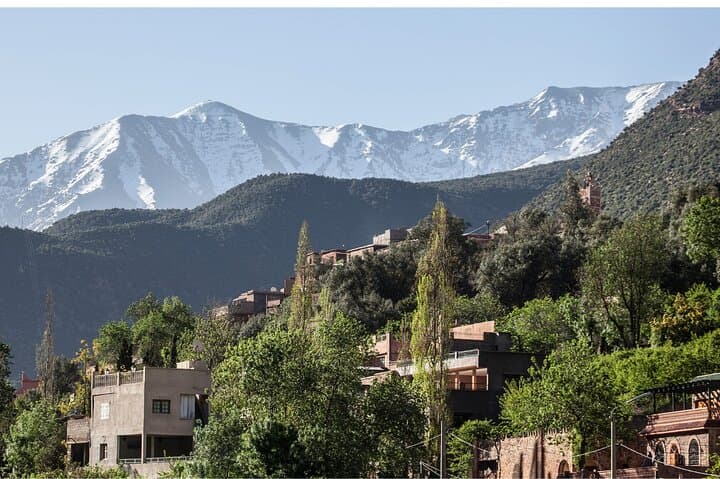
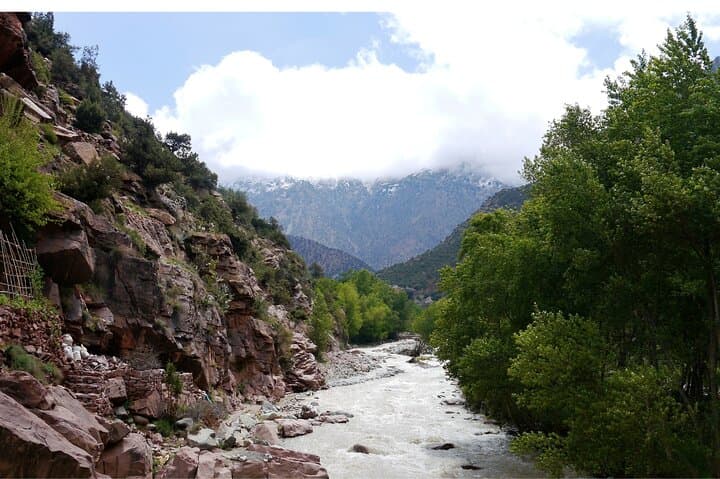
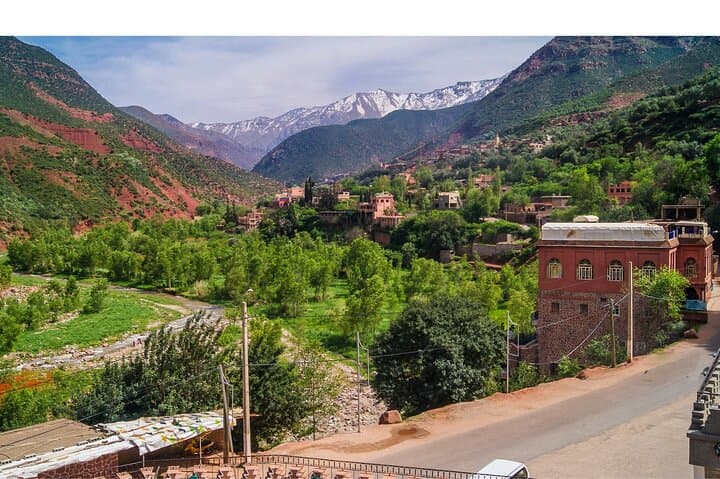
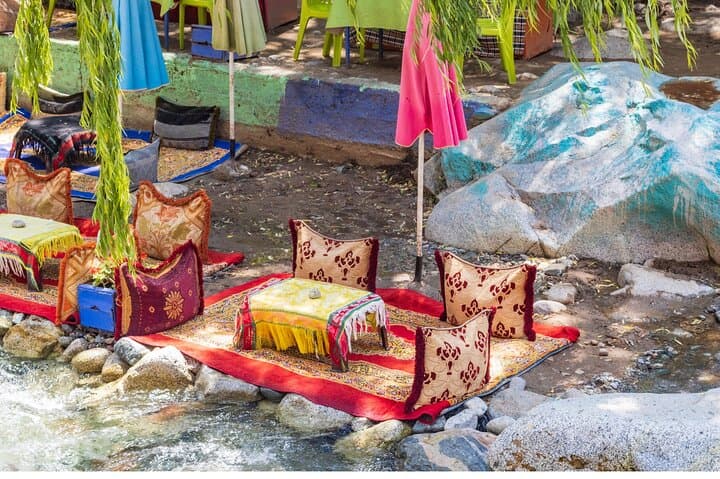
A cool morning wind pushes down from the High Atlas as a private minivan peels away from Marrakech at 9:00 a.m., the red city shrinking behind you. Narrow fields and low stone terraces slide past the window until the road forks into the Ourika Valley, a green scar of river and olive trees cutting into arid foothills. Arriving in Tnine Ourika, the souq hums with local trade; later, Setti Fatma’s dusty lane gives way to a shaded stream and the first of seven stepped waterfalls.
A cool morning wind pushes down from the High Atlas as a private minivan peels away from Marrakech at 9:00 a.m., the red city shrinking behind you. Narrow fields and low stone terraces slide past the window until the road forks into the Ourika Valley, a green scar of river and olive trees cutting into arid foothills. Arriving in Tnine Ourika, the souq hums with local trade; later, Setti Fatma’s dusty lane gives way to a shaded stream and the first of seven stepped waterfalls.
The valley is shaped by weathered volcanic and sedimentary rock, fed by Atlas snowmelt; villages have long been clustered along these watercourses. Berber life remains visible in home-built clay houses, cooperative olive presses and the small ethno-museum at Tafza showcasing pottery, textiles and gold-thread jewelry. Geologically, the carved gorges and terraces tell a simple story: water pushing down through softer strata, leaving harder ledges that form the falls.
Expect a guided hike from Setti Fatma up to the lower waterfalls—roughly 1–3 km round-trip depending on how far you go—with modest elevation gain on rocky, often damp trails. The path alternates shaded banks and exposed ledges; good footwear and steady footing matter. Lunch is commonly served riverside at a small restaurant before the drive back to Marrakech around 5 p.m.
Practical tips: start with sunscreen and layered clothing for variable mountain sun and shade, carry at least 1–2 liters of water, and wear shoes that handle wet rock. Respect local customs at village stops and support the village cooperatives if you can.