THE ADVENTURE COLLECTIVE® · Independent discovery and booking for outdoor travel

A quick escape from Marrakech into the High Atlas: hike to Setti Fatma waterfalls, meet a women-run argan cooperative, sip mint tea with a Berber family, and explore riverside markets. This full-day outing balances accessible trails with cultural stops and scenic viewpoints.
A quick escape from Marrakech into the High Atlas: hike to Setti Fatma waterfalls, meet a women-run argan cooperative, sip mint tea with a Berber family, and explore riverside markets. This full-day outing balances accessible trails with cultural stops and scenic viewpoints.
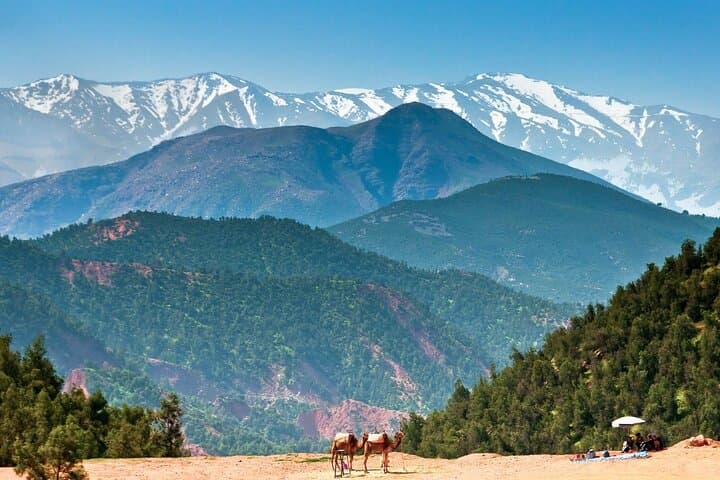
You leave the ochre walls of Marrakech behind and, within an hour, the road begins to climb into the foothills of the High Atlas. Olive and argan trees lean toward the valley; the river calls you along shaded tracks as the mountains press close. This is the Ourika Valley: a working landscape where terraces and stone houses step up the slopes and waterfalls punctuate the riverbed.
Verified experiences and guided adventures in the surrounding area.
Operated by HDIDA Tours · Ourika, Marrakesh-Safi
You leave the ochre walls of Marrakech behind and, within an hour, the road begins to climb into the foothills of the High Atlas. Olive and argan trees lean toward the valley; the river calls you along shaded tracks as the mountains press close. This is the Ourika Valley: a working landscape where terraces and stone houses step up the slopes and waterfalls punctuate the riverbed.
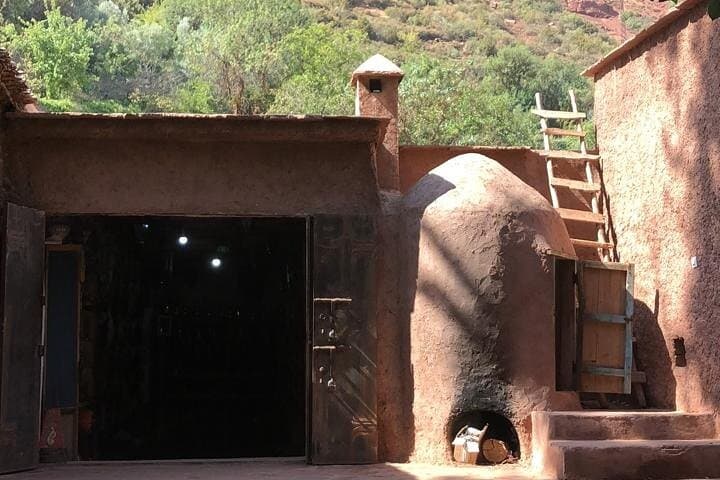
The valley’s human story spans Berber farmsteads and seasonal markets; argan trees, endemic to southwestern Morocco, shape both cuisine and local craft through a women-run cooperative that still crushes kernels by hand. Geologically, the Atlas foothills here are folded, weathered sandstone and limestone—rock that channels rain into clear, fast streams and the tiered cascades at Setti Fatma.
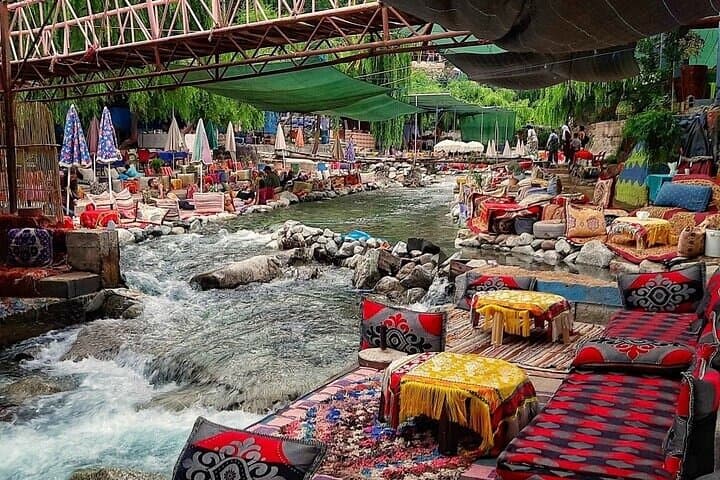
Your day typically combines a scenic drive, a short guided hike to the waterfalls (crossing rustic bridges and uneven stone steps), a visit to an argan cooperative, and time at a riverside market or family home for mint tea. Expect 1–2 hours of walking on trails with roughly 200–300 m cumulative ascent possible on steeper sections; natural pools offer seasonal dips.
Practical guidance: go early to avoid midafternoon heat, wear sturdy footwear for wet stones, and carry a refillable water bottle. Local lunches are optional—try a tagine at a riverside café—and bring small change for market purchases and cooperative goods. The trip is family-friendly and culturally rich but involves uneven terrain; plan accordingly for mobility needs.
easy.
8–9 hours.
Suitable for travelers in basic walking fitness; expect short climbs and uneven terrain over 1–2 hours of hiking
Yes—most day trips include pickup from riads and hotels in central Marrakech and return by late afternoon.
Swimming is seasonal and depends on water levels; bring a swimsuit and towel if visiting in warmer months, but check local conditions first.
The drive and cultural stops are family-friendly; however, waterfall trails include uneven steps and river crossings that can be challenging for limited mobility.
Lunch is typically not included—there are riverside cafes and small restaurants where you can buy a traditional Berber meal.
The Ourika Valley has long been inhabited by Berber farming communities whose terraces and stone houses reflect centuries of mountain agriculture.
Argan forests are protected for both ecological and economic value; support local cooperatives that practice sustainable harvesting and buy responsibly sourced goods.
HDIDA Tours operates guided outdoor trips and adventures with an emphasis on safety, stewardship, and memorable experiences.
You leave the ochre walls of Marrakech behind and, within an hour, the road begins to climb into the foothills of the High Atlas. Olive and argan trees lean toward the valley; the river calls you along shaded tracks as the mountains press close. This is the Ourika Valley: a working landscape where terraces and stone houses step up the slopes and waterfalls punctuate the riverbed.
You leave the ochre walls of Marrakech behind and, within an hour, the road begins to climb into the foothills of the High Atlas. Olive and argan trees lean toward the valley; the river calls you along shaded tracks as the mountains press close. This is the Ourika Valley: a working landscape where terraces and stone houses step up the slopes and waterfalls punctuate the riverbed.
The valley’s human story spans Berber farmsteads and seasonal markets; argan trees, endemic to southwestern Morocco, shape both cuisine and local craft through a women-run cooperative that still crushes kernels by hand. Geologically, the Atlas foothills here are folded, weathered sandstone and limestone—rock that channels rain into clear, fast streams and the tiered cascades at Setti Fatma.
Your day typically combines a scenic drive, a short guided hike to the waterfalls (crossing rustic bridges and uneven stone steps), a visit to an argan cooperative, and time at a riverside market or family home for mint tea. Expect 1–2 hours of walking on trails with roughly 200–300 m cumulative ascent possible on steeper sections; natural pools offer seasonal dips.
Practical guidance: go early to avoid midafternoon heat, wear sturdy footwear for wet stones, and carry a refillable water bottle. Local lunches are optional—try a tagine at a riverside café—and bring small change for market purchases and cooperative goods. The trip is family-friendly and culturally rich but involves uneven terrain; plan accordingly for mobility needs.