THE ADVENTURE COLLECTIVE® · Independent discovery and booking for outdoor travel

Escape Marrakech for a day and follow the river into the Atlas Mountains. This Ourika Valley excursion mixes a moderate hike to Setti Fatma waterfalls with visits to Berber villages and an argan cooperative.
Escape Marrakech for a day and follow the river into the Atlas Mountains. This Ourika Valley excursion mixes a moderate hike to Setti Fatma waterfalls with visits to Berber villages and an argan cooperative.
A cool mountain wind meets the road as the minibus lifts out of Marrakech and the city’s ochre walls shrink behind you. The drive into the Ourika Valley unfolds in terraces—olive groves give way to apple and walnut orchards, the river carving a steady line through oak and juniper. By the time the van drops you at Setti Fatma, the Siski paths and stone steps invite a steady, reasonable pace toward the waterfalls.
Verified experiences and guided adventures in the surrounding area.
Operated by astara tours · Setti Fatma, Marrakech-Safi
A cool mountain wind meets the road as the minibus lifts out of Marrakech and the city’s ochre walls shrink behind you. The drive into the Ourika Valley unfolds in terraces—olive groves give way to apple and walnut orchards, the river carving a steady line through oak and juniper. By the time the van drops you at Setti Fatma, the Siski paths and stone steps invite a steady, reasonable pace toward the waterfalls.
The Atlas is a young fold of earth created when the African and Eurasian plates pushed together; the valley’s terraced fields and village architecture reflect centuries of Amazigh (Berber) stewardship. Local argan cooperatives and family-run craft workshops preserve skills and livelihoods, while the Setti Fatma cascades route threads cultural stops with natural highlights.
Expect a moderate hike: roughly 2–3 km one way on uneven stone and dirt trails with about 200–300 m of elevation change distributed across stepped paths and river crossings. The path alternates shady riparian sections and exposed viewpoints—bring sun protection and shoes with good traction. Plan for a 6–7 hour outing including pickup, stops at a cooperative, time to relax by the river, and a riverside lunch (not included).
Practical notes: negotiate a sensible pace with your guide if footing is slippery, carry at least 1.5 L of water, and have local currency for small purchases and tips. Respect private homes and ask before photographing people. The valley rewards an attentive traveler: clear mountain air, lively market stalls, and the steady rush of the waterfalls daring you to pause and listen.
moderate.
6–7 hours.
Suitable for travelers with moderate fitness able to walk uneven terrain and ascend short steep sections.
The guided hike covers roughly 2–3 km with 200–300 m of elevation change and takes about 1.5–2.5 hours round trip depending on stops.
No—lunch at a riverside restaurant is available for about €12–€13 and is paid locally.
Families can join, but the hike is moderate; not recommended for those with serious mobility or cardiovascular issues.
Summer: extra water, sun protection, light clothing; Winter: warm layers, a windproof jacket, and closed footwear for slippery sections.
The Ourika Valley has been farmed by Amazigh communities for centuries; terraces and irrigation channels reflect long-standing mountain agriculture.
Support local cooperatives and stick to marked trails to protect fragile terraces and riverbanks; avoid littering and use refillable bottles.
astara tours operates guided outdoor trips and adventures with an emphasis on safety, stewardship, and memorable experiences.
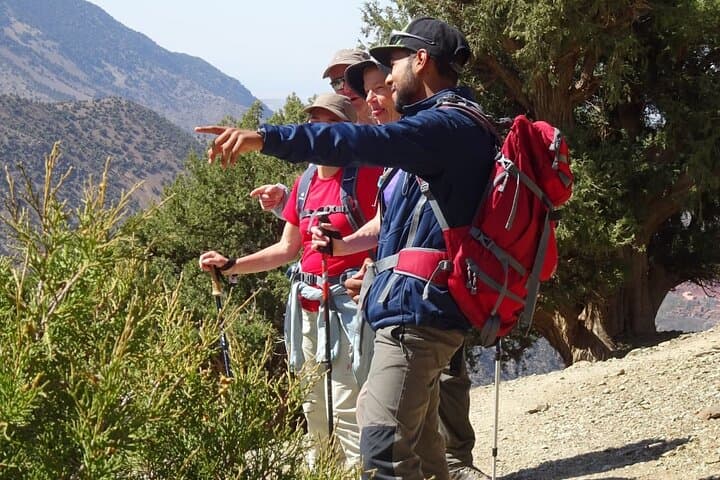
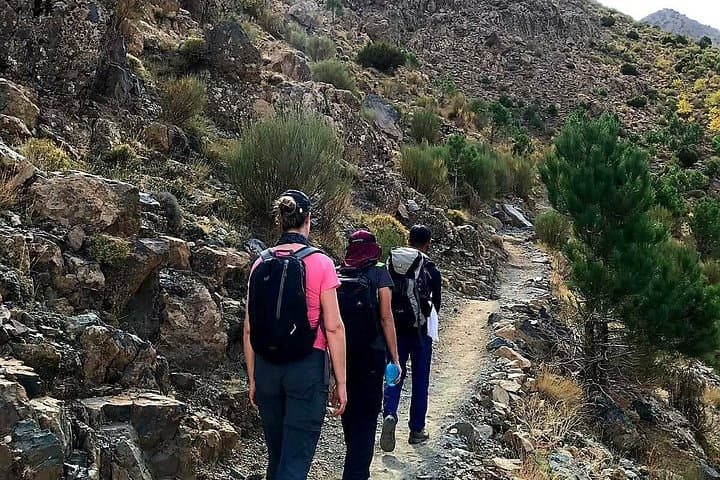
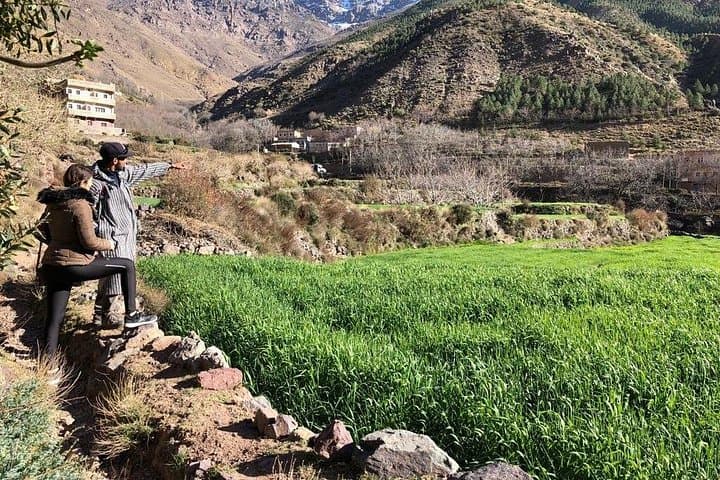
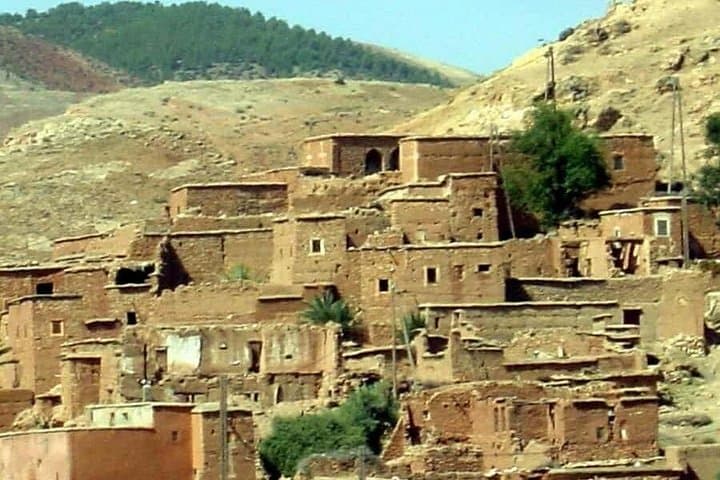
A cool mountain wind meets the road as the minibus lifts out of Marrakech and the city’s ochre walls shrink behind you. The drive into the Ourika Valley unfolds in terraces—olive groves give way to apple and walnut orchards, the river carving a steady line through oak and juniper. By the time the van drops you at Setti Fatma, the Siski paths and stone steps invite a steady, reasonable pace toward the waterfalls.
A cool mountain wind meets the road as the minibus lifts out of Marrakech and the city’s ochre walls shrink behind you. The drive into the Ourika Valley unfolds in terraces—olive groves give way to apple and walnut orchards, the river carving a steady line through oak and juniper. By the time the van drops you at Setti Fatma, the Siski paths and stone steps invite a steady, reasonable pace toward the waterfalls.
The Atlas is a young fold of earth created when the African and Eurasian plates pushed together; the valley’s terraced fields and village architecture reflect centuries of Amazigh (Berber) stewardship. Local argan cooperatives and family-run craft workshops preserve skills and livelihoods, while the Setti Fatma cascades route threads cultural stops with natural highlights.
Expect a moderate hike: roughly 2–3 km one way on uneven stone and dirt trails with about 200–300 m of elevation change distributed across stepped paths and river crossings. The path alternates shady riparian sections and exposed viewpoints—bring sun protection and shoes with good traction. Plan for a 6–7 hour outing including pickup, stops at a cooperative, time to relax by the river, and a riverside lunch (not included).
Practical notes: negotiate a sensible pace with your guide if footing is slippery, carry at least 1.5 L of water, and have local currency for small purchases and tips. Respect private homes and ask before photographing people. The valley rewards an attentive traveler: clear mountain air, lively market stalls, and the steady rush of the waterfalls daring you to pause and listen.