THE ADVENTURE COLLECTIVE® · Independent discovery and booking for outdoor travel

Leave Marrakech for a day in the High Atlas: panoramic viewpoints, an argan cooperative, a riverside lunch and a short hike to Setti Fatma’s first waterfall. This accessible trip blends nature, culture and easy adventure.
Leave Marrakech for a day in the High Atlas: panoramic viewpoints, an argan cooperative, a riverside lunch and a short hike to Setti Fatma’s first waterfall. This accessible trip blends nature, culture and easy adventure.
Drive away from Marrakech and the city’s heat into a corridor of terraces, river curves and low ridgelines—this is the Ourika Valley. Within an hour the air sharpens, olive and fig trees edge the road, and the High Atlas peaks begin to loom, their raw profiles daring you to look closer.
Verified experiences and guided adventures in the surrounding area.
Operated by Travel Morocco Services · Setti Fatma (Ourika Valley), Marrakesh-Safi
Drive away from Marrakech and the city’s heat into a corridor of terraces, river curves and low ridgelines—this is the Ourika Valley. Within an hour the air sharpens, olive and fig trees edge the road, and the High Atlas peaks begin to loom, their raw profiles daring you to look closer.
The valley has long been a lifeline for the local Berber (Amazigh) communities. Geologically, the area is folded limestone and schist carved by seasonal rivers; Setti Fatma’s cascades are the visible work of those streams cutting through rock over millennia. Culturally, small cooperatives still produce argan oil and handwoven carpets using methods unchanged for generations—visits here read like a hands-on chapter of local life.
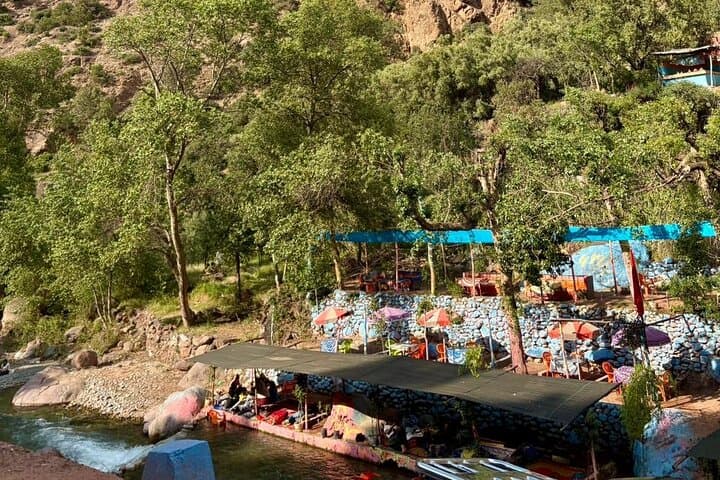
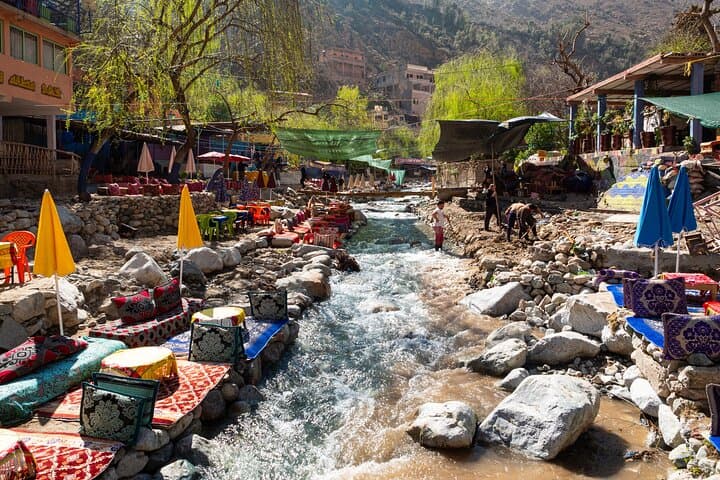
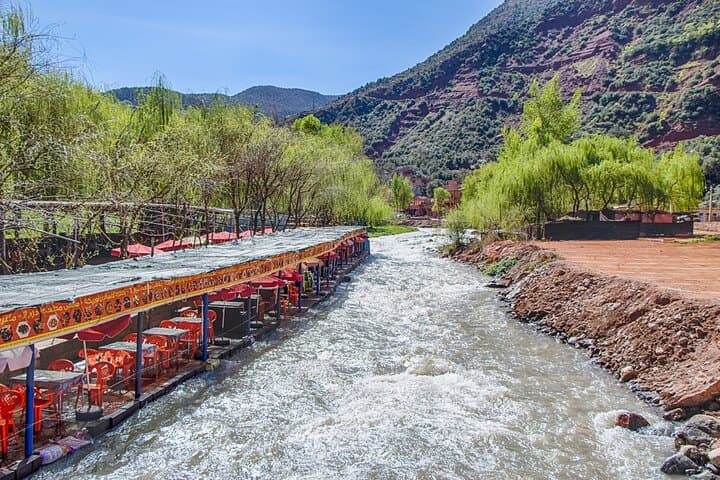
Expect a balanced day: scenic photo stops from panoramic viewpoints, a short guided walk to the first of seven waterfalls in Setti Fatma, and time at cooperatives where artisans demonstrate argan pressing and weaving. Lunch beside the river typically includes tagine and mint tea, a quiet counterpoint to the drive.
Practical guidance: start early to avoid midday heat and crowds; the hike to the main cascade is uneven stone and can be slick—sturdy shoes and a steady pace matter. Bring cash for small purchases, a lightweight layer for breezy afternoons, and at least 1–2 liters of water. The experience is accessible for most fitness levels but involves walking on rocky trails and some stone steps. With a mix of nature, hands-on culture, and approachable hiking, this day trip is an efficient way to step into the Atlas and meet its people.
easy.
6–8 hours.
Suitable for travelers with basic fitness who can walk on uneven ground for up to 1–2 hours.
Yes—this tour typically includes hotel pickup and drop-off in Marrakech by air‑conditioned vehicle.
The guided hike to the first cascades is short but on uneven stone paths; it’s suitable for most people but not advised for those with serious mobility issues.
A riverside Moroccan lunch is included in the itinerary; bottled water is provided during the tour.
Shared tours are capped at around 15 travelers for a more intimate experience.
The Ourika Valley has been a mountain corridor for Amazigh communities for centuries; its cooperatives preserve artisanal practices like argan oil pressing and carpet weaving.
Visitors are encouraged to buy directly from cooperatives and avoid single-use plastics; staying on marked paths helps prevent erosion around fragile waterfall benches.
Travel Morocco Services operates guided outdoor trips and adventures with an emphasis on safety, stewardship, and memorable experiences.
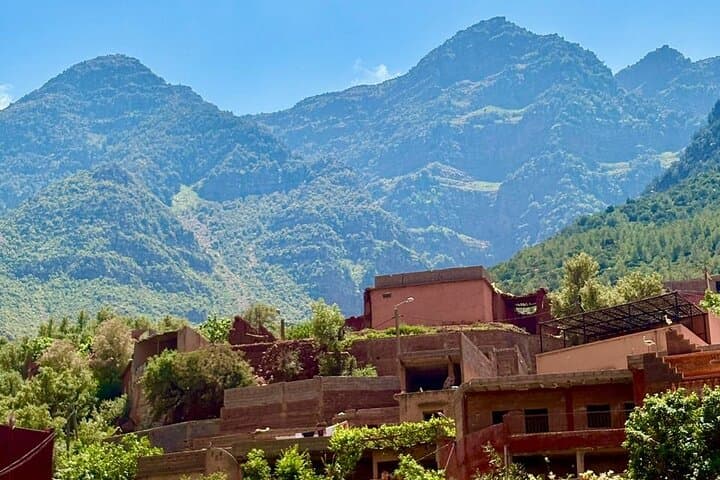
Drive away from Marrakech and the city’s heat into a corridor of terraces, river curves and low ridgelines—this is the Ourika Valley. Within an hour the air sharpens, olive and fig trees edge the road, and the High Atlas peaks begin to loom, their raw profiles daring you to look closer.
Drive away from Marrakech and the city’s heat into a corridor of terraces, river curves and low ridgelines—this is the Ourika Valley. Within an hour the air sharpens, olive and fig trees edge the road, and the High Atlas peaks begin to loom, their raw profiles daring you to look closer.
The valley has long been a lifeline for the local Berber (Amazigh) communities. Geologically, the area is folded limestone and schist carved by seasonal rivers; Setti Fatma’s cascades are the visible work of those streams cutting through rock over millennia. Culturally, small cooperatives still produce argan oil and handwoven carpets using methods unchanged for generations—visits here read like a hands-on chapter of local life.
Expect a balanced day: scenic photo stops from panoramic viewpoints, a short guided walk to the first of seven waterfalls in Setti Fatma, and time at cooperatives where artisans demonstrate argan pressing and weaving. Lunch beside the river typically includes tagine and mint tea, a quiet counterpoint to the drive.
Practical guidance: start early to avoid midday heat and crowds; the hike to the main cascade is uneven stone and can be slick—sturdy shoes and a steady pace matter. Bring cash for small purchases, a lightweight layer for breezy afternoons, and at least 1–2 liters of water. The experience is accessible for most fitness levels but involves walking on rocky trails and some stone steps. With a mix of nature, hands-on culture, and approachable hiking, this day trip is an efficient way to step into the Atlas and meet its people.