THE ADVENTURE COLLECTIVE® · Independent discovery and booking for outdoor travel

Escape Marrakech for a day in the High Atlas: hike to Setti Fatma’s waterfalls, visit an argan cooperative, and enjoy a traditional Berber lunch with Toubkal on the horizon. Practical transport, a local guide, and moderate walking make this an accessible mountain introduction.
Escape Marrakech for a day in the High Atlas: hike to Setti Fatma’s waterfalls, visit an argan cooperative, and enjoy a traditional Berber lunch with Toubkal on the horizon. Practical transport, a local guide, and moderate walking make this an accessible mountain introduction.
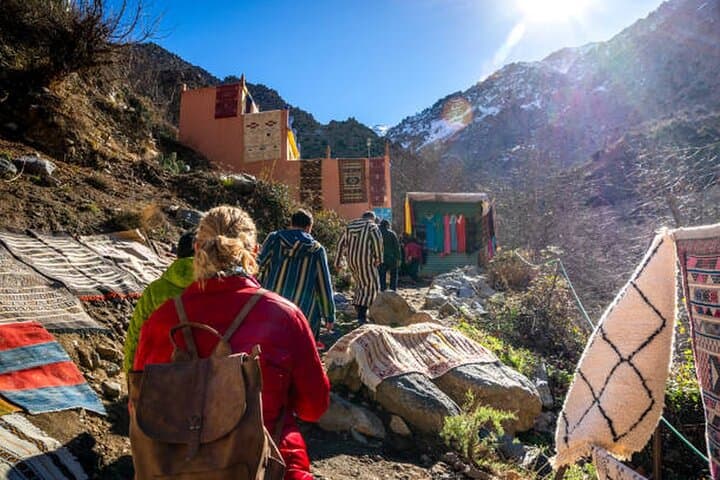
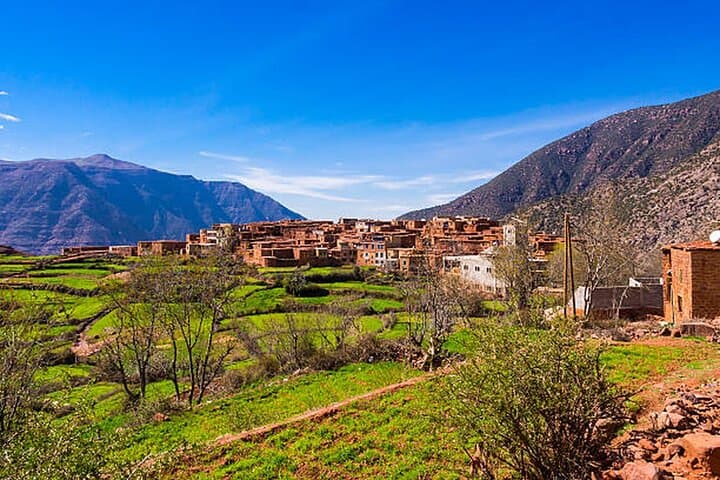
You leave Marrakech’s ochre heat behind as the road climbs toward the High Atlas, olive groves sliding past the bus window and the air sharpening with altitude. The Ourika Valley opens like a folded map—green fields cut by a restless river, clay houses clinging to terraces, and a distant sweep of snow on Toubkal that seems to dare you to look higher.
Verified experiences and guided adventures in the surrounding area.
Operated by Luxury Fez Tours · Marrakech, Marrakech-Safi
You leave Marrakech’s ochre heat behind as the road climbs toward the High Atlas, olive groves sliding past the bus window and the air sharpening with altitude. The Ourika Valley opens like a folded map—green fields cut by a restless river, clay houses clinging to terraces, and a distant sweep of snow on Toubkal that seems to dare you to look higher.
Geology here is honest and visible: schist and granite ridges carved by winter runoff, alluvium in the valley bottom that keeps small farms productive. The valley’s human story is older than Morocco’s borders—Berber villages have farmed these slopes for centuries, and the argan presses you’ll see are a living technical tradition. Cultural exchanges take place in small ways: a cooperative of women demonstrating argan cracking, a mountain guide pointing out an ancestral irrigation channel.
The highlight is a local-guided walk to Setti Fatma’s waterfalls—about 90 minutes of stepped trails, river crossings and shaded mule tracks. Expect uneven stone steps and short steep pitches; the water threads through narrow gorges and spills into plunge pools that catch late-afternoon light.
Practical notes: tours typically include hotel pickup, transport and a sit-down Berber lunch in a village house. Aim for a morning departure to avoid midday heat, wear grippy footwear, and carry at least 1–2 liters of water. Respect local customs—ask before photographing people—and plan some local currency for small purchases and cooperative donations. The valley rewards curiosity: take time at viewpoints and let the river’s urgency pull you forward.
moderate.
6–7 hours.
Suitable for travelers with basic fitness who can manage uneven trails and short steep sections for about 1–2 hours on foot.
The guided hike is typically around 90 minutes round-trip over uneven terrain with several short steep sections and river crossings.
Yes — most tours include hotel pickup and drop-off in Marrakech and the transport to the Ourika Valley and back.
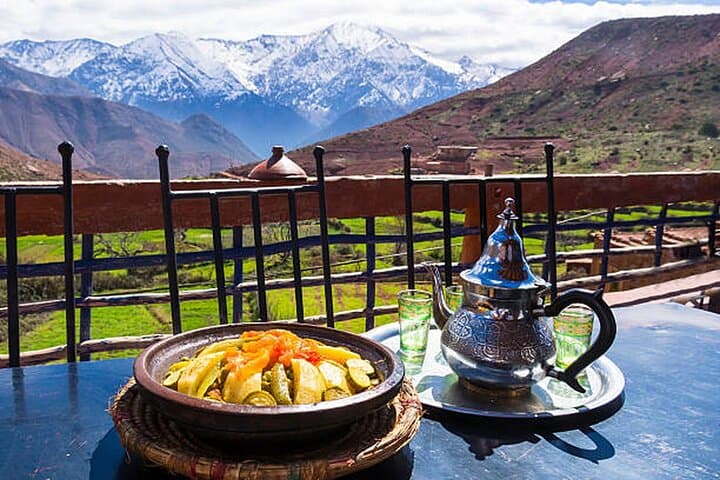
Lunch is usually a traditional Berber meal—tagine, couscous, seasonal vegetables and fruit—served in a village house or family restaurant.
The tour is generally suitable for families and travelers of mixed fitness; children should be supervised on rocky sections and some people may opt out of the waterfall walk.
The Ourika Valley has long been inhabited by Berber communities; local clay architecture and argan oil production reflect centuries-old rural lifeways.
Support local cooperatives and avoid single-use plastics; water is a limited resource in the valley and sustainable tourism helps fund trail and habitat protection.
Luxury Fez Tours operates guided outdoor trips and adventures with an emphasis on safety, stewardship, and memorable experiences.
You leave Marrakech’s ochre heat behind as the road climbs toward the High Atlas, olive groves sliding past the bus window and the air sharpening with altitude. The Ourika Valley opens like a folded map—green fields cut by a restless river, clay houses clinging to terraces, and a distant sweep of snow on Toubkal that seems to dare you to look higher.
You leave Marrakech’s ochre heat behind as the road climbs toward the High Atlas, olive groves sliding past the bus window and the air sharpening with altitude. The Ourika Valley opens like a folded map—green fields cut by a restless river, clay houses clinging to terraces, and a distant sweep of snow on Toubkal that seems to dare you to look higher.
Geology here is honest and visible: schist and granite ridges carved by winter runoff, alluvium in the valley bottom that keeps small farms productive. The valley’s human story is older than Morocco’s borders—Berber villages have farmed these slopes for centuries, and the argan presses you’ll see are a living technical tradition. Cultural exchanges take place in small ways: a cooperative of women demonstrating argan cracking, a mountain guide pointing out an ancestral irrigation channel.
The highlight is a local-guided walk to Setti Fatma’s waterfalls—about 90 minutes of stepped trails, river crossings and shaded mule tracks. Expect uneven stone steps and short steep pitches; the water threads through narrow gorges and spills into plunge pools that catch late-afternoon light.
Practical notes: tours typically include hotel pickup, transport and a sit-down Berber lunch in a village house. Aim for a morning departure to avoid midday heat, wear grippy footwear, and carry at least 1–2 liters of water. Respect local customs—ask before photographing people—and plan some local currency for small purchases and cooperative donations. The valley rewards curiosity: take time at viewpoints and let the river’s urgency pull you forward.