THE ADVENTURE COLLECTIVE® · Independent discovery and booking for outdoor travel

A day escape from Marrakech into the Atlas foothills where Setti Fatma’s cascades, Berber hospitality, and riverside lunches make for a hands-on taste of Ourika Valley. Expect a short, sometimes steep hike, cultural stops, and fresh mountain food.
A day escape from Marrakech into the Atlas foothills where Setti Fatma’s cascades, Berber hospitality, and riverside lunches make for a hands-on taste of Ourika Valley. Expect a short, sometimes steep hike, cultural stops, and fresh mountain food.
The van peels away from Marrakech at first light and the city’s heat gives up to the Atlas foothills. Olive groves slide past the window, and the Ourika River calls from the valley floor—clear water that seems to dare you closer. By the time you reach Setti Fatma the air has sharpened; stone houses and terraced fields line the approach and a local guide will lead you down a river-tracked path toward the first of seven waterfalls.
Verified experiences and guided adventures in the surrounding area.
Operated by DEEP SOUTH TRAVEL · Ourika Valley (Setti Fatma), Marrakech-Safi
The van peels away from Marrakech at first light and the city’s heat gives up to the Atlas foothills. Olive groves slide past the window, and the Ourika River calls from the valley floor—clear water that seems to dare you closer. By the time you reach Setti Fatma the air has sharpened; stone houses and terraced fields line the approach and a local guide will lead you down a river-tracked path toward the first of seven waterfalls.
Geology here is granite and schist, shaped by millennia of water and frost into steep gullies and stepped cascades. The valley’s human story is at least as old: Amazigh (Berber) villages retain traditional agriculture, household crafts, and a weekly market in Ourika village where produce and woven goods change hands every Monday.
Expect a 30–45 minute uphill hike over uneven, sometimes slippery rock and several small wooden bridges. The reward is a pool at the waterfall base and riverside restaurants serving tagine, fresh salads, and mint tea poured from a long-spout pot. The tour typically includes hotel pickup in Marrakech, a visit to a Berber household for tea and bread, free time at the river, and return by late afternoon.
Practical notes: wear sturdy footwear and a light shell, carry 1–2 liters of water, and be prepared for short steep sections. Respect private homes when visiting families, bring cash for small purchases, and leave no trace along the riverbanks. Morning departures avoid the hottest hours and make the hike more comfortable.
moderate.
8–10 hours.
Light to moderate fitness; comfortable walking for 45 minutes with short uphill sections required
Yes—private transfers pick up and drop off directly from your riad or hotel in Marrakech as part of the tour.
The main hike to the first waterfall is roughly 30–45 minutes over uneven terrain and stairs; it’s moderate and suitable for most people in reasonable health.
Lunch at a riverside restaurant is included; alcoholic drinks may be extra—inform the operator of dietary needs in advance.
Spring and fall offer mild temperatures and fuller waterfalls; mornings are best for cooler conditions and fewer visitors.
The Ourika Valley has long been inhabited by Amazigh (Berber) communities practicing terrace agriculture and pastoralism; many villages preserve traditional crafts and oral traditions.
Stick to established paths, avoid washing in the river, and support local businesses to ensure tourism benefits the valley while minimizing environmental impact.
DEEP SOUTH TRAVEL operates guided outdoor trips and adventures with an emphasis on safety, stewardship, and memorable experiences.


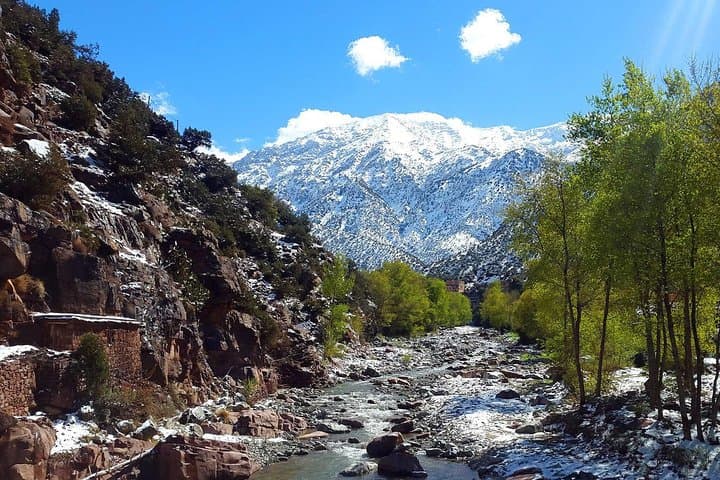
The van peels away from Marrakech at first light and the city’s heat gives up to the Atlas foothills. Olive groves slide past the window, and the Ourika River calls from the valley floor—clear water that seems to dare you closer. By the time you reach Setti Fatma the air has sharpened; stone houses and terraced fields line the approach and a local guide will lead you down a river-tracked path toward the first of seven waterfalls.
The van peels away from Marrakech at first light and the city’s heat gives up to the Atlas foothills. Olive groves slide past the window, and the Ourika River calls from the valley floor—clear water that seems to dare you closer. By the time you reach Setti Fatma the air has sharpened; stone houses and terraced fields line the approach and a local guide will lead you down a river-tracked path toward the first of seven waterfalls.
Geology here is granite and schist, shaped by millennia of water and frost into steep gullies and stepped cascades. The valley’s human story is at least as old: Amazigh (Berber) villages retain traditional agriculture, household crafts, and a weekly market in Ourika village where produce and woven goods change hands every Monday.
Expect a 30–45 minute uphill hike over uneven, sometimes slippery rock and several small wooden bridges. The reward is a pool at the waterfall base and riverside restaurants serving tagine, fresh salads, and mint tea poured from a long-spout pot. The tour typically includes hotel pickup in Marrakech, a visit to a Berber household for tea and bread, free time at the river, and return by late afternoon.
Practical notes: wear sturdy footwear and a light shell, carry 1–2 liters of water, and be prepared for short steep sections. Respect private homes when visiting families, bring cash for small purchases, and leave no trace along the riverbanks. Morning departures avoid the hottest hours and make the hike more comfortable.