THE ADVENTURE COLLECTIVE® · Independent discovery and booking for outdoor travel

Escape Marrakech for an eight-hour journey into the Ourika Valley to hike to Setti Fadma’s waterfalls, visit a women’s argan cooperative, and meet hilltop Berber villages. This guided day trip balances easy walking with cultural stops and a riverside lunch.
Escape Marrakech for an eight-hour journey into the Ourika Valley to hike to Setti Fadma’s waterfalls, visit a women’s argan cooperative, and meet hilltop Berber villages. This guided day trip balances easy walking with cultural stops and a riverside lunch.
You leave Marrakech and the city’s noise thins to a low hum; the road climbs and the High Atlas pushes into view, granite shoulders dusted with scrub. By midmorning the Ourika River appears like a ribbon cutting through terraced fields, and the village of Setti Fadma perches on a slope where mule tracks meet paved switchbacks.
Verified experiences and guided adventures in the surrounding area.
Operated by Agafay Desert Luxury · Marrakech, Marrakesh-Safi
You leave Marrakech and the city’s noise thins to a low hum; the road climbs and the High Atlas pushes into view, granite shoulders dusted with scrub. By midmorning the Ourika River appears like a ribbon cutting through terraced fields, and the village of Setti Fadma perches on a slope where mule tracks meet paved switchbacks.
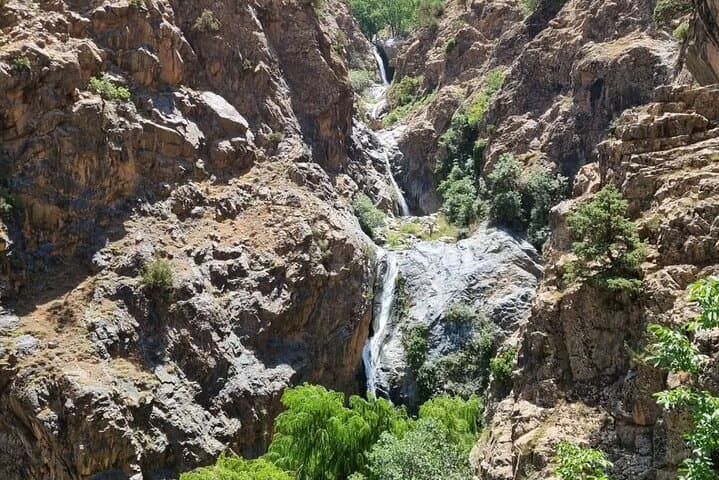
The valley has long been shaped by Berber agriculture and seasonal migration. Terraces and stone houses are practical answers to steep slopes and scarce water; argan groves below supply oil that has been produced here for generations. Geologically, the High Atlas is young—folded and uplifted—so streams have carved steep ravines and created the stepped cascades you’ll hike between.
Your guide will lead a hillside walk to the waterfalls, pointing out traditional stone mills and the women’s argan cooperative where kernels are hand-processed. Local culture feels immediate: tea poured with practiced patience, talk of seasonal harvests, and small-scale trade along the river.
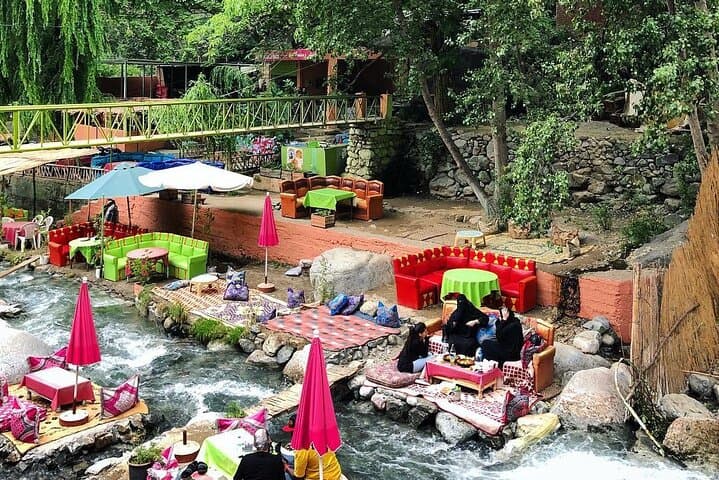
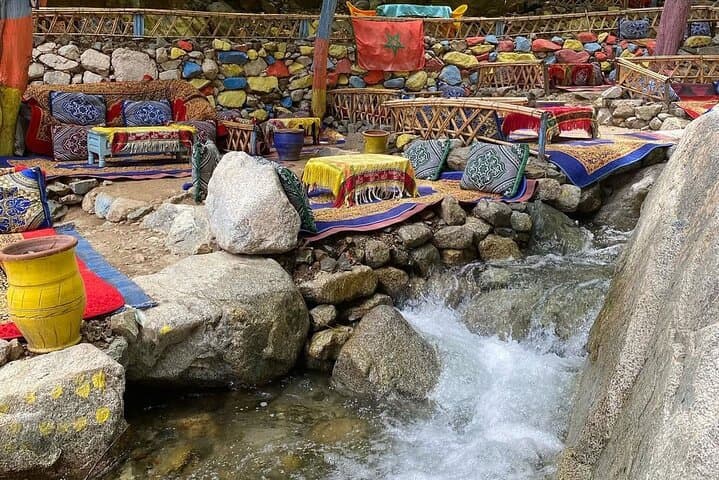
Expect a moderate hike over uneven, sometimes steep paths (rock and packed earth), with several short stair-like sections. The route takes two to three hours round-trip for most groups, with time for a riverside lunch and a cooperative visit. Bring sturdy footwear, sun protection, and a refillable bottle; water is available but plastic waste is a concern, so pack out what you bring. Plan for cooler mornings and warmer afternoons; the valley’s microclimate can shift quickly.
This day trip is equal parts landscape, culture, and practical walking—an accessible way to step out of Marrakech and into the living atlas of the High Atlas foothills.
moderate.
8 hours.
Moderate fitness—comfortable on uneven ground and short climbs; able to walk 2–4 miles with stops.
Yes—round-trip hotel transfers or a central meeting point are included for most bookings.
The guided walk around Setti Fadma typically takes 1.5–3 hours round-trip depending on pace and how many cascades you visit.
Children can join but must be supervised; paths include uneven sections and some short stone steps—infants may need to sit on laps during transport.
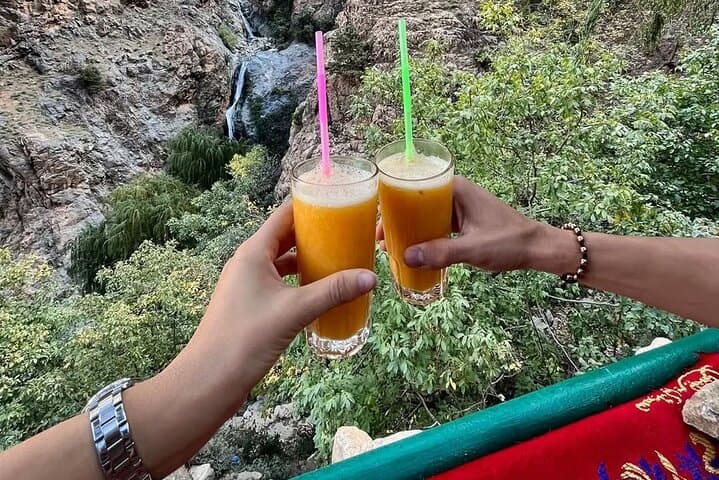
A riverside lunch is included if that option is selected; otherwise there are local cafes where you can buy food and drinks.
The Ourika Valley has been inhabited by Berber communities for centuries; terraces and argan oil production reflect long-standing subsistence and trade practices.
Argan forests here are protected by local and national initiatives; visitors help when they support cooperatives and avoid single-use plastics.
Agafay Desert Luxury operates guided outdoor trips and adventures with an emphasis on safety, stewardship, and memorable experiences.
You leave Marrakech and the city’s noise thins to a low hum; the road climbs and the High Atlas pushes into view, granite shoulders dusted with scrub. By midmorning the Ourika River appears like a ribbon cutting through terraced fields, and the village of Setti Fadma perches on a slope where mule tracks meet paved switchbacks.
You leave Marrakech and the city’s noise thins to a low hum; the road climbs and the High Atlas pushes into view, granite shoulders dusted with scrub. By midmorning the Ourika River appears like a ribbon cutting through terraced fields, and the village of Setti Fadma perches on a slope where mule tracks meet paved switchbacks.
The valley has long been shaped by Berber agriculture and seasonal migration. Terraces and stone houses are practical answers to steep slopes and scarce water; argan groves below supply oil that has been produced here for generations. Geologically, the High Atlas is young—folded and uplifted—so streams have carved steep ravines and created the stepped cascades you’ll hike between.
Your guide will lead a hillside walk to the waterfalls, pointing out traditional stone mills and the women’s argan cooperative where kernels are hand-processed. Local culture feels immediate: tea poured with practiced patience, talk of seasonal harvests, and small-scale trade along the river.
Expect a moderate hike over uneven, sometimes steep paths (rock and packed earth), with several short stair-like sections. The route takes two to three hours round-trip for most groups, with time for a riverside lunch and a cooperative visit. Bring sturdy footwear, sun protection, and a refillable bottle; water is available but plastic waste is a concern, so pack out what you bring. Plan for cooler mornings and warmer afternoons; the valley’s microclimate can shift quickly.
This day trip is equal parts landscape, culture, and practical walking—an accessible way to step out of Marrakech and into the living atlas of the High Atlas foothills.