THE ADVENTURE COLLECTIVE® · Independent discovery and booking for outdoor travel

Escape Marrakech for a seven-hour day trip into the Ourika Valley: terraced orchards, Setti Fatma’s waterfalls, a women’s argan co-op and roadside souks. This accessible Atlas outing blends short walks with cultural stops and scenic drives.
Escape Marrakech for a seven-hour day trip into the Ourika Valley: terraced orchards, Setti Fatma’s waterfalls, a women’s argan co-op and roadside souks. This accessible Atlas outing blends short walks with cultural stops and scenic drives.
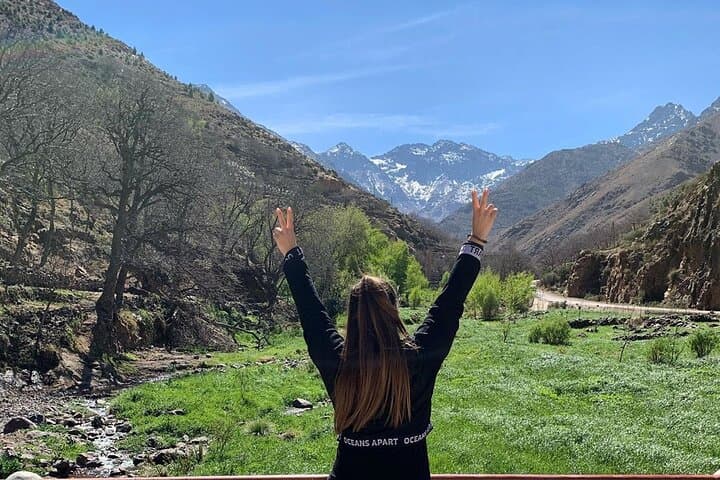
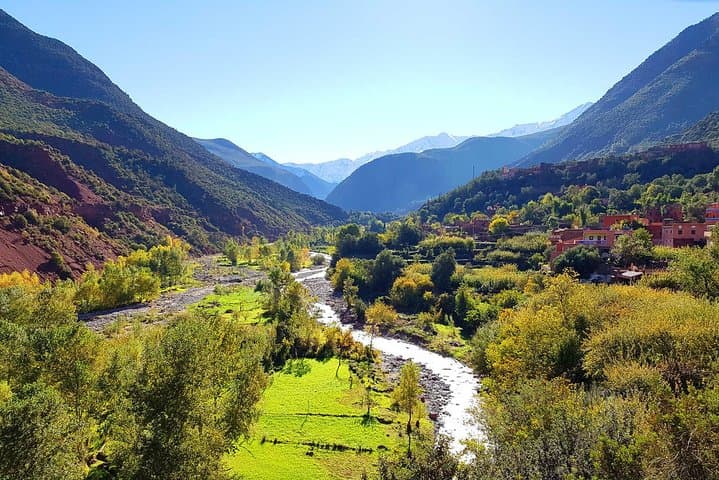
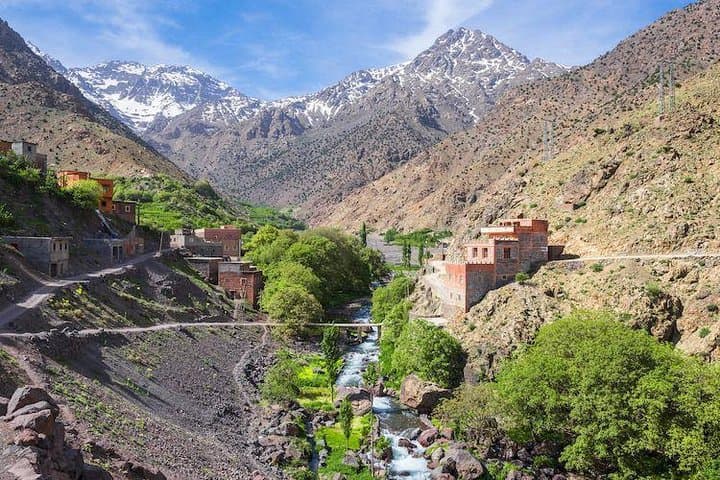
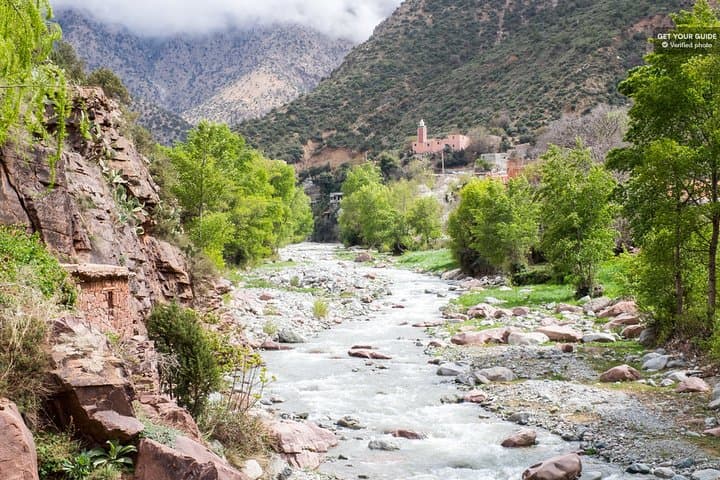
The road out of Marrakech narrows and the air cools—olive groves and palm-lined riverbanks give way to terraces clinging to the lower slopes of the High Atlas. In the Ourika Valley the river pulls you forward, cutting a green ribbon through almond orchards and small stone villages. A short mountain walk near Setti Fatma leads to tiered cascades where spray mists your face and local children laugh at the water’s insistence.
Verified experiences and guided adventures in the surrounding area.
Operated by Trips From Marrakech · Marrakech, Marrakesh-Safi
The road out of Marrakech narrows and the air cools—olive groves and palm-lined riverbanks give way to terraces clinging to the lower slopes of the High Atlas. In the Ourika Valley the river pulls you forward, cutting a green ribbon through almond orchards and small stone villages. A short mountain walk near Setti Fatma leads to tiered cascades where spray mists your face and local children laugh at the water’s insistence.
The valley has long been a weekend refuge for Marrakechis and a living record of Berber life: stone houses with simple plaster, steep agricultural terraces, and markets that still rotate on market days. Geologically, the valley is a foothill corridor of the High Atlas—folded sedimentary rock lifted by tectonic collision—so expect steep canyon walls, clear seasonal streams, and alluvial terraces that feed orchards of figs and pomegranates.
Culturally, stop at a women’s argan co-op to see oil pressing by hand and learn about cooperative economics; on Mondays roadside souks animate the valley with produce and textiles. A short camel ride near the valley’s entrance gives a playful taste of local tourism without committing to long treks.
Practical guidance: the trip runs about seven hours total with roughly an hour’s drive each way from central Marrakech. Wear sturdy shoes for the waterfall path, carry water and sunscreen, and bring small change for co-ops and tips. If you’re sensitive to heat, aim for a morning departure and expect uneven footing on short walks—otherwise the day is accessible to most visitors seeking a compact mountain escape.
easy.
7 hours.
Suitable for most fitness levels; short uphill sections to waterfall viewpoints require basic mobility.
Expect roughly a one-hour drive each way depending on traffic; the full excursion lasts about seven hours including stops.
No—paths to Setti Fatma’s main cascades are short but can be uneven and slippery; good footwear and steady footing are recommended.
Yes; many tours include a stop at a women’s argan co-op where you can observe traditional pressing and buy products.
Generally yes—the tour is rated easy, but steep steps and uneven ground at the waterfall site can be challenging for limited mobility; inquire about specific accessibility needs when booking.
The Ourika Valley has long been inhabited by Amazigh (Berber) communities who built stone terraces and seasonal villages; the area has served as a cultural and agricultural outpost for Marrakech for centuries.
Visitors should avoid leaving waste, support local cooperatives that pay fair wages, and stick to marked paths to protect fragile terraces and stream banks.
Trips From Marrakech operates guided outdoor trips and adventures with an emphasis on safety, stewardship, and memorable experiences.
The road out of Marrakech narrows and the air cools—olive groves and palm-lined riverbanks give way to terraces clinging to the lower slopes of the High Atlas. In the Ourika Valley the river pulls you forward, cutting a green ribbon through almond orchards and small stone villages. A short mountain walk near Setti Fatma leads to tiered cascades where spray mists your face and local children laugh at the water’s insistence.
The road out of Marrakech narrows and the air cools—olive groves and palm-lined riverbanks give way to terraces clinging to the lower slopes of the High Atlas. In the Ourika Valley the river pulls you forward, cutting a green ribbon through almond orchards and small stone villages. A short mountain walk near Setti Fatma leads to tiered cascades where spray mists your face and local children laugh at the water’s insistence.
The valley has long been a weekend refuge for Marrakechis and a living record of Berber life: stone houses with simple plaster, steep agricultural terraces, and markets that still rotate on market days. Geologically, the valley is a foothill corridor of the High Atlas—folded sedimentary rock lifted by tectonic collision—so expect steep canyon walls, clear seasonal streams, and alluvial terraces that feed orchards of figs and pomegranates.
Culturally, stop at a women’s argan co-op to see oil pressing by hand and learn about cooperative economics; on Mondays roadside souks animate the valley with produce and textiles. A short camel ride near the valley’s entrance gives a playful taste of local tourism without committing to long treks.
Practical guidance: the trip runs about seven hours total with roughly an hour’s drive each way from central Marrakech. Wear sturdy shoes for the waterfall path, carry water and sunscreen, and bring small change for co-ops and tips. If you’re sensitive to heat, aim for a morning departure and expect uneven footing on short walks—otherwise the day is accessible to most visitors seeking a compact mountain escape.