THE ADVENTURE COLLECTIVE® · Independent discovery and booking for outdoor travel

Escape Marrakech for a full-day push into the Atlas foothills: berber villages, a women’s cooperative, old watermills and a short hike to photogenic waterfalls in Setti Fatma. Practical for travelers who want a single, well-paced day trip with cultural context and river-side lunch.
Escape Marrakech for a full-day push into the Atlas foothills: berber villages, a women’s cooperative, old watermills and a short hike to photogenic waterfalls in Setti Fatma. Practical for travelers who want a single, well-paced day trip with cultural context and river-side lunch.
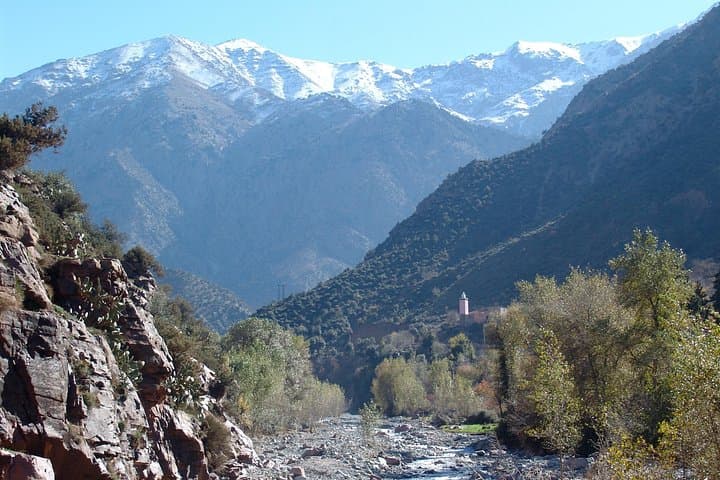
You leave Marrakech before the city heat gathers, the road pushing you south where the High Atlas unfurls its low ridgelines.
Verified experiences and guided adventures in the surrounding area.
Operated by MARRAKECH BEST TRIPS · Marrakech, Marrakech-Safi
You leave Marrakech before the city heat gathers, the road pushing you south where the High Atlas unfurls its low ridgelines.
The car climbs through ochre villages; the air sharpens with thyme and river spray. In Setti Fatma a local guide meets the group and the trail narrows to stone steps and terraces. After a 20–30 minute climb you reach a string of waterfalls that tumble cold and clear, daring you to dip toes where the river runs fastest.
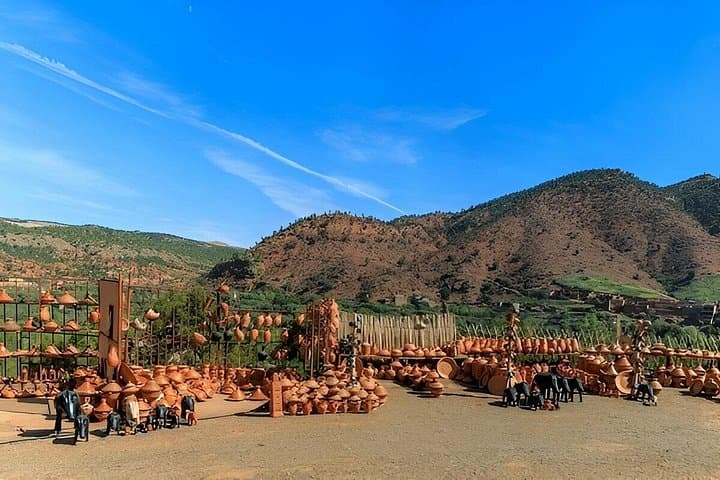
This stretch of the Ourika Valley has long been home to Amazigh (Berber) communities who worked the terraces and watermills you’ll pass. Geologically, the valley is carved from impermeable schist and sandstone; seasonal runoff turns thin streams into roaring cascades in winter and spring. Cultural highlights include a visit to a family home and a women’s cooperative where argan and herbal cosmetics are produced — living examples of small-scale, water-powered economies.
Practical guidance: the hike is short but uneven; wear grippy footwear and bring sunscreen and a refillable water bottle. Expect a full day — most tours run 7–8 hours with hotel pickup and return to Marrakech by late afternoon. Carry small change for cooperatives and photos, and plan for cooler temperatures in the shade or near the falls.
Why go: this single-day route packs mountain views, a working Berber village, traditional crafts, and several accessible waterfalls into one manageable outing from Marrakech — an efficient way to experience the Atlas foothills without overnight logistics.
easy.
7–8 hours.
Suitable for most fitness levels; requires short, uneven hikes of 20–40 minutes with some stone steps.
Yes — most operators pick up from hotels or riads in Marrakech; confirm your pickup point when booking.
The common route from the last car-accessible village is roughly 20–40 minutes each way on uneven stone steps and paths.
Swimming is possible in warmer months but depends on water temperature and season; check with your guide for safety and local conditions.
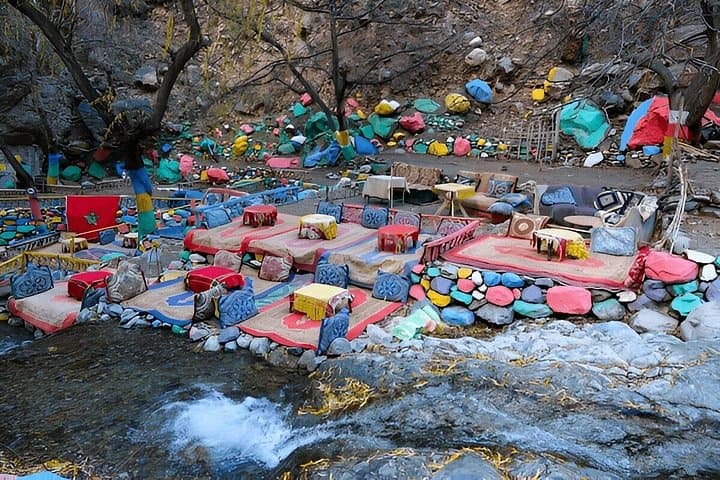
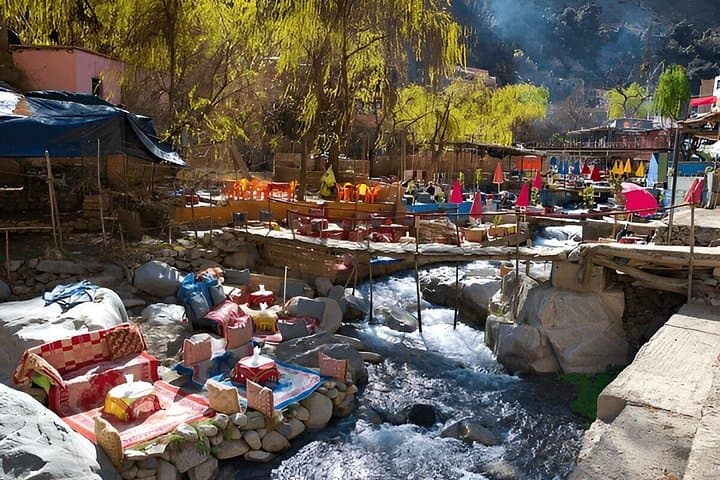
Lunch at a riverside restaurant is typically included; purchases at cooperatives and optional camel rides are extra and paid in cash.
Amazigh communities have farmed the Ourika terraces for centuries; traditional watermills powered grain and remain visible in village lanes.
The valley’s water system is fragile—avoid single-use plastics, stick to trails to prevent erosion, and support community cooperatives that prioritize sustainable harvesting.
MARRAKECH BEST TRIPS operates guided outdoor trips and adventures with an emphasis on safety, stewardship, and memorable experiences.
You leave Marrakech before the city heat gathers, the road pushing you south where the High Atlas unfurls its low ridgelines.
You leave Marrakech before the city heat gathers, the road pushing you south where the High Atlas unfurls its low ridgelines.
The car climbs through ochre villages; the air sharpens with thyme and river spray. In Setti Fatma a local guide meets the group and the trail narrows to stone steps and terraces. After a 20–30 minute climb you reach a string of waterfalls that tumble cold and clear, daring you to dip toes where the river runs fastest.
This stretch of the Ourika Valley has long been home to Amazigh (Berber) communities who worked the terraces and watermills you’ll pass. Geologically, the valley is carved from impermeable schist and sandstone; seasonal runoff turns thin streams into roaring cascades in winter and spring. Cultural highlights include a visit to a family home and a women’s cooperative where argan and herbal cosmetics are produced — living examples of small-scale, water-powered economies.
Practical guidance: the hike is short but uneven; wear grippy footwear and bring sunscreen and a refillable water bottle. Expect a full day — most tours run 7–8 hours with hotel pickup and return to Marrakech by late afternoon. Carry small change for cooperatives and photos, and plan for cooler temperatures in the shade or near the falls.
Why go: this single-day route packs mountain views, a working Berber village, traditional crafts, and several accessible waterfalls into one manageable outing from Marrakech — an efficient way to experience the Atlas foothills without overnight logistics.